Mastering 3-Bike Hitch Rack Loading for Utah’s National Forest Adventures
Navigating Utah’s national forests by bike demands both trail skills and smooth logistics. This guide breaks down the essential steps to load three bikes efficiently on a hitch rack, helping you focus on the ride ahead and the breathtaking terrain awaiting just beyond the trailhead.
Distribute Weight for Stability
Load the heaviest bike closest to the vehicle to maintain balance and prevent sway during drives on twisty canyon roads.
Protect Bike Frames
Use frame pads and remove bulky accessories like water bottles to prevent scratches and damage during transit.
Check Tire Pressure Before Loading
Proper tire pressure ensures smooth transportation and lowers the risk of flats on gravel roads leading to trailheads.
Secure Loose Parts
Lock down derailleurs, kickstands, and remove loose gear to minimize movement and avoid component wear during trips.
Mastering 3-Bike Hitch Rack Loading for Utah’s National Forest Adventures

Kuat Transfer 3 Bike Hitch Rack
Must have a 2" Receiver Hitch on Vehicle
Discover how the Kuat Transfer 3 Bike Hitch Rack from Double Down Bike Shop makes your Moab cycling adventures hassle-free. Perfect for transporting multiple bikes safely to some of Utah’s most scenic trails, this gear is a must-have for outdoor enthusiasts. Read on to learn more!
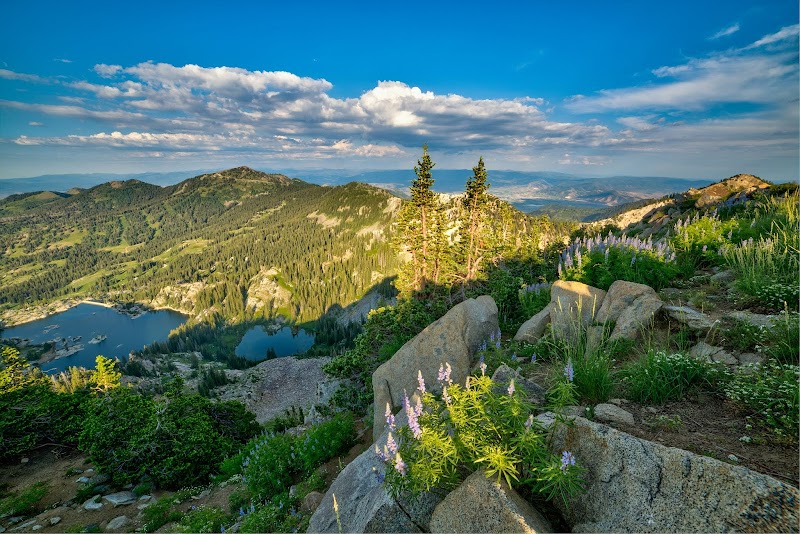
Utah’s national forests offer expansive landscapes carved by roaring rivers and steep ridgelines, inviting you to explore on two wheels. Whether you're gearing up to hit trails near Salt Lake’s towering pines or venturing further into trail networks around Big Cottonwood Canyon, managing your bike gear efficiently is as crucial as the ride itself. Loading three bikes on a hitch rack might sound simple — but in practice, optimizing space without risking damage to frames or accessories takes planning and precision.
Start by assessing your rack type: most 3-bike racks fall into two categories— tray-style and hanging-style. Tray-style racks, with wheel trays and arm clamps, allow you to secure bikes by the wheels and frame, reducing frame contact and providing stability on rough forest roads. Hanging-style racks rely mainly on frame hooks, which can scratch sensitive paint and strain suspension forks, especially for full-suspension mountain bikes you’ll want to protect in Utah's rugged terrain.
Begin your loading sequence with the heaviest or bulkiest bike first, positioning it closest to the vehicle. This approach keeps the center of gravity low and prevents wobbling during drive along winding canyon routes. Carefully alternate the orientation of the bikes (handlebar alignment) to avoid handlebars clashing and to maximize spacing.
For Utah’s trailheads with limited parking space, speed counts. Prepare by removing bulky accessories like water bottle cages, GPS mounts, and pumps before loading to make bike arrangements tighter and avoid damage. Use frame pads or clear adhesive film around contact points for extra protection from rack scratches. Secure loose parts like kickstands and derailleurs to minimize swinging during transit.
Check tire pressure just before driving to prevent flats en route, especially since winding forest roads demand stable traction. Keep essential tools and a pump handy in the car rather than strapped to your bikes — this keeps the rack profile minimal and prevents loss or damage.
Lastly, use a final double-check routine before departure—verify all straps, clamps, and locks. The mountain breeze can test fasteners, and Utah’s variable weather means your ride often starts cool before midday sun warms the trail. Hydration packs and layered clothing should be within easy reach once you unload.
Successful three-bike loading is more than logistics; it’s setting the stage for a seamless entry into Utah’s fiercely beautiful forests. Efficient loading means less time fiddling and more minutes to embrace trails lined with whispering pines, vantage points that dare you to pause and take in endless ridgelines, and the pulse of rivers racing beneath rocky crossings. Prepare well, ride confident, and let every pedal stroke answer the call of adventure.
Nearby Trips
All Adventures
Boat Charters
Water Activities
Adventures near Salt Lake City
Discover the unique and memorable adventures that make Salt Lake City special.
Frequently Asked Questions
How can I safely transport full-suspension bikes on a hanging hitch rack?
Full-suspension bikes are best loaded on tray-style racks that support the wheels rather than hanging by the frame, which can put stress on suspension components and increase risk of damage during bumpy drives.
What are the best times to arrive at popular Utah forest trailheads to avoid crowding?
Early mornings during weekdays are typically less crowded. Arriving before 8 a.m. grants peaceful parking and trail access, especially in spring and summer.
Are there any local regulations about bike rack overhang or locking for vehicles in Utah forests?
Utah requires that all loads be secured to prevent hazards. Ensure no part of the rack or bikes extends dangerously past vehicle lights or mirrors. Use locks and visibility flags if overhang is significant.
What wildlife should I be aware of when biking in Utah national forests?
Keep an eye out for mule deer, moose, and occasional black bears. Squirrels and birds are abundant; secure food to avoid unwanted animal encounters.
Are there cooler alternatives to traditional vertical loading for three bikes on a hitch mount?
Some riders prefer horizontally extended racks or hybrid hitch and roof combination systems for better distribution, though these add complexity and cost.
Where can I find less known bike trails with stunning views near Salt Lake City?
Look beyond popular routes like Bonneville Shoreline. Trails along Desolation Loop and the hidden sections of Mill Creek Canyon offer quiet rides with rewarding panoramas.
Recommended Gear
Hitch Rack with Wheel Trays
Provides secure and stable bike transportation with less risk of frame damage, ideal for Utah’s dusty and rocky forest roads.
Frame Protection Pads
Pads minimize scratches where bikes contact rack arms, preserving frame finish over repeated loading cycles.
Bike Pump and Repair Kit
Critical for emergency fixes on the trail and ensuring tires maintain optimal pressure during transit.
Weather-Appropriate Clothing Layers
Layering manages Utah’s temperature swings, particularly in forests where sun and shade alternate rapidly.
Local Insights
Hidden Gems
- "Miner's Basin viewpoint offers a rarely crowded overlook with sweeping valley views."
- "Hidden Falls Trail features a small waterfall and quiet forest glen popular for afternoon rides."
Wildlife
- "Keep your distance from elk herds grazing at dawn near higher elevations."
- "Listen for the chatter of pinyon jays and the rustle of packrats along ridge lines."
History
"Many trails trace routes once used by early Mormon settlers and mining operations, threading old logging roads and remnants of small forest camps."