Idaho's rivers challenge and reward those who time their fishing and hunting trips right. Whether targeting trout in spring or waterfowl in fall, understanding river sections and seasonal patterns is essential for a successful experience.
Scout River Access Points Ahead
Identify parking areas and trailheads in advance to avoid long unplanned hikes or restricted areas along Idaho’s rivers.
Wear Sturdy Footwear
Non-slip, supportive boots are crucial for stability on slippery riverbanks and uneven terrain.
Pack Layers for Temperature Swings
Mornings can be cold, afternoons warm—layered clothing helps you adapt quickly to changing conditions.
Use Polarized Sunglasses
Cut glare off the water to improve visibility of fish and obstacles underwater.
Navigating Idaho River Sections: Optimal Timing for Fishing and Hunting

Cast & Blast Private Trip
$1899 for up to 6 people | 1 & 2 day Fishing and Chukar Hunting Trip
Discover the thrill of a private fishing adventure along Idaho's scenic rivers. Hammer Down River Excursions offers an exclusive Cast & Blast experience that combines fishing and wilderness exploration in White Bird. Read on to learn more about this unforgettable outdoor activity.
Idaho’s rivers pulse with life and challenge, daring anglers and hunters to test their skills along their winding course. From the restless currents of the Snake River to the quieter stretches of the Salmon, timing your expedition to sync with the rhythms of water and wildlife can make all the difference between a fleeting encounter and a productive day in the wild.
Understanding River Sections
Rivers carve through the landscape with distinct personalities—classifying Idaho's waterways into manageable sections is key. Upper sections tend to be faster, steeper, and rugged, perfect for trout fishing and upland game like grouse but demanding on stamina and gear. Lower sections widen out, with slower currents and thicker riverbanks, ideal for waterfowl hunting and targeting species like bass or pike.
Optimal Timing for Fishing
Spring and early summer, from April through June, mark the prime window for trout runs. Meltwater pushes fish upriver, firing up their feeding frenzy. Early mornings, when waters cool and insect hatches begin, offer the best chances to hook wily rainbows and browns. Consider using lightweight rods with dry flies or nymph patterns, and pack polarized lenses to cut glare from lively water surfaces.
Fall fishing, September to October, shifts gears. Cooler air drops water temperatures, slowing fish but clustering them near deeper pools. This period favors late-season steelhead runs and offers the opportunity to catch native cutthroat in calmer backwaters—patience paired with precise casting pays off.
Prime Hunting Seasons
Idaho’s river corridors provide excellent hunting grounds that follow seasonal migrations and breeding cycles. Fall, especially October and November, is the peak for waterfowl as geese and ducks gravitate toward river floodplains and marshy edges. Early morning stillness is your ally—quiet setups near river bends where birds rest before daylight reveal the most action.
Spring hunting, coinciding with upland bird nesting and resurgence of furbearers, requires adherence to local regulations and careful scouting. Habitat along riverbanks changes rapidly with runoff; staying flexible and informed about water levels ensures safety and success.
Practical Preparation
Expect variable terrain: riverbanks can be slippery and uneven, with brush and fallen timber. Footwear with solid ankle support and non-slip soles are essential when navigating these dynamic borders. Hydrate frequently—the river’s roar often masks how quickly exertion and sun exposure dehydrate you.
Map out access points ahead of time. Many premier sections have limited parking or require short hikes through forested paths—distances of 1 to 3 miles each way with elevation changes up to 500 feet. Carry layered clothing to adapt as temperatures swing from chilly mornings to warm afternoons.
Respecting the River’s Rhythm
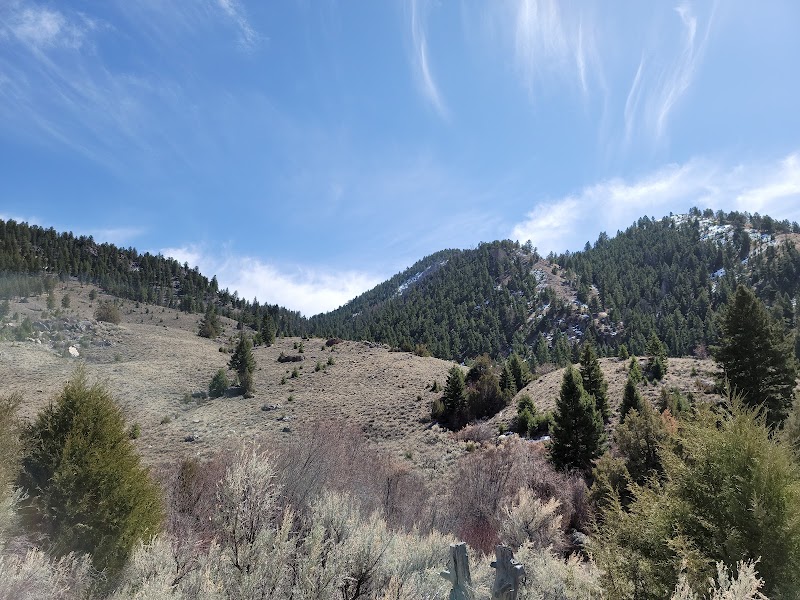
Each river segment is fiercely itself: the current pushes forward relentlessly, river bends conceal hidden pools, and the surrounding forest breathes with wildlife in constant flux. Monitoring river conditions—especially spring runoff or fall rains—is critical for safe navigation and ethical harvesting.
By syncing your trip with the natural pulse of Idaho’s rivers, you transform each cast and stalk into a meaningful engagement. Here, adventure meets practicality: learn to read the water, respect its power, and plan with intention for trips that feed your passion and sharpen your skills.
Nearby Trips
All Adventures
Boat Charters
Water Activities
Adventures near Salmon
Discover the unique and memorable adventures that make Salmon special.
Frequently Asked Questions
What’s the best time of day for fishing Idaho rivers?
Early morning provides cooler water temperatures and active insect hatches, increasing chances of catching trout and steelhead. Late afternoons can also be productive, especially in summer when fish feed to prepare for nighttime.
Are there specific river sections that make hunting easier?
Yes. Slower, wider sections with adjoining floodplains are preferred for waterfowl hunting while upper river stretches near forest edges are better for upland birds and small game. Local vegetation and water depth also guide animal habits.
How do spring runoff conditions affect river travel?
Runoff increases current speed and water levels, making navigation challenging and sometimes dangerous. Hikers and boaters should check recent flow rates and be prepared for muddy banks and slippery rocks.
What wildlife should I expect to see along Idaho rivers?
Besides fish, expect to encounter ducks, geese, osprey, bald eagles, and mammals like beaver and otter. Upland game includes grouse and occasionally deer along quieter backwaters.
Are permits required for fishing and hunting on Idaho rivers?
Yes, Idaho Fish and Game requires appropriate licenses and tags for fishing and hunting. Specific rules depend on species and season, so check regulations before your trip.
Any recommended safety gear for river hiking?
Bring a first-aid kit, a whistle, and a waterproof map or GPS device. Non-slip boots and trekking poles improve safety on unstable riverbanks.
Recommended Gear
Waterproof Hiking Boots
Keeps feet dry and provides grip on muddy, slippery riverbanks during wet spring runoff.
Polarized Sunglasses
Reduces water glare, allowing better sight of fish and underwater hazards.
Layered Clothing
Adapts to cold mornings and warmer midday temperatures, especially during fall trips.
Hydration Pack
Essential for maintaining hydration during warm summer outings along exposed river sections.
Local Insights
Hidden Gems
- "Horse Creek Overlook offers panoramic views of the Salmon River canyon less frequented by visitors."
- "The backwaters near Panther Creek provide quiet fishing spots away from main river traffic."
Wildlife
- "Look for nesting bald eagles in spring along high river cliffs."
- "Beaver activity changes riverbanks dynamically, creating interesting habitats and challenges."
History
"The Salmon River, often called "The River of No Return," has deep roots in Native American history and early pioneer travel, shaping Idaho’s cultural landscape."