Mastering Seasonal Trail Conditions in Salida with a Compact Jeep
Salida offers a raw, exhilarating gateway to Colorado’s high country, with trails that change character with every season. This guide equips adventurers with detailed insights and practical tips for navigating these shifting landscapes safely and confidently, whether on foot or behind the wheel of a compact Jeep.
Regularly Monitor Local Trail Reports
Conditions can change rapidly, especially during spring thaw or late fall frosts. Checking recent trail updates helps avoid unexpected closures or hazards.
Adjust Tire Pressure for Terrain
Lower your Jeep’s tire pressure slightly for better grip on rocky or muddy trails, but avoid going too low to prevent tire damage.
Start Early to Avoid Afternoon Weather Shifts
Summer storms and fall afternoon frosts come fast. Plan hikes and drives in the morning hours for the most stable conditions.
Pack Hydration and Snacks Generously
Elevation and exertion increase your need for water and energy. Bring at least 2 liters per person, plus electrolyte replacement when possible.
Mastering Seasonal Trail Conditions in Salida with a Compact Jeep

White 2 Door Wrangler TJ - Bumble
Automatic • Fits 4 • Ages 25+ • 1-7 Day Rentals
Embark on an exciting off-road adventure in Colorado with Rocky Mountain Jeep Rentals. Discover breathtaking scenery near Salida in a custom white Jeep, perfect for exploration and photography. Join us for a memorable and personalized outdoor experience designed to thrill nature lovers and adventure seekers alike.
Salida’s rugged landscapes don’t wait for anyone. Here, every trail asserts itself fiercely, shifting shape with the seasons and challenging your approach—especially when navigating in a compact Jeep. This guide gives you a clear, practical edge to tackle trail conditions through spring thaw, summer dust, fall slickness, and winter’s icy grip.
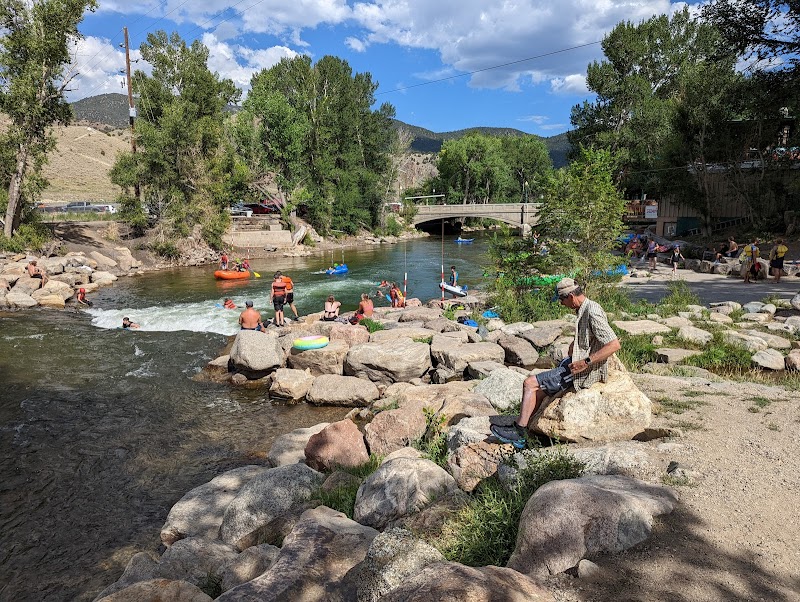
Starting just outside Salida, Colorado, the dirt and gravel paths wind through stands of aspens and ponderosas that sway like watchful sentinels. The Arkansas River nearby dares you to push further, its currents sometimes whispering promises of untamed nature. While a compact Jeep offers nimble access to tighter routes, it demands respect for terrain and timing.
Spring trails here are a patchwork of thawing mud, unpredictable slush patches, and rushing runoff. Elevations from 7,000 to 9,500 feet reveal fast-changing conditions on routes averaging 10 to 15 miles with 1,200 to 2,000 feet of elevation gain. Stretching tires over slick rock and soft soil, you’ll hear streams call from their banks, urging caution and patience. This season’s advantage is the explosion of green; wildlife feels the pulse of renewal, so keep windows cracked, ears tuned.
By summer, dusty trails harden under the sun’s steady gaze. Forested paths provide pockets of shade and relief. Midday heat climbs fast—temps often hit mid-80s°F—so hike and drive early or late. The Jeep excels here, its compact frame slipping through tighter switchbacks that larger rigs must dodge. Keep hydration steady; dry air and elevation demand more from your body and vehicle alike.
Fall pulls the landscape into sharp crispness, with leaves igniting under pale skies in gold, crimson, and amber. Trails grow slick with early frosts and leaf litter that slides beneath tires. Elevation shifts remain constant, but traction becomes a daily negotiation. Wildlife becomes more active preparing for winter, so be alert for elk and deer crossing. The air’s coolness sharpens your senses as your Jeep’s tires bite into the road.
Winter brings the most aggressive shift. Snow drapes the high country, roads ice over. Even a compact Jeep requires stout tires and sometimes chains. Trails shrink under snow, but the quiet is absolute and raw. Roads beyond 8,000 feet can close. This season rewards persistence and preparation. Layer gear and prep for sudden weather swings that nature throws in with little warning. The white silence dares you to respect it.
Whether you’re parking wheels or boots, trail timing is everything. Avoid mid-to-late afternoon rains in summer and spring mudslides post-thaw. Keep your Jeep maintained—check tire pressure, fluids, and brakes—before tackling rougher passes.
For hikers, sturdy footwear with solid grip, layered clothing, and a daypack stocked with water and snacks round out your success kit. For drivers, a high-clearance compact Jeep avoids the bulk of larger rigs but demands increased focus on traction and route planning.
Salida’s wilderness is fiercely itself—dynamic, sometimes demanding. Approach it well-equipped and informed, and you’ll find a balance between thrill and respect where seasonal trial and clever driving create a rewarding adventure.
Get ready to experience the terrain as it reveals itself day by day with your compact Jeep as a capable partner in exploration.
Nearby Trips
All Adventures
Boat Charters
Water Activities
Adventures near Salida
Discover the unique and memorable adventures that make Salida special.
Frequently Asked Questions
What’s the best way to handle muddy spring roads in a compact Jeep?
Start by lowering your tire pressure modestly to increase surface contact. Use gentle acceleration to avoid spinning wheels, and steer clear of deep ruts or soft shoulders. Carry traction aids and be ready for wet conditions to rapidly shift underfoot.
Are chains necessary for winter driving near Salida trails?
Chains or snow tires are strongly advised above 8,000 feet during winter months. Some public access roads can become slick or impassable without them, especially after fresh snowfall or freeze-thaw cycles.
Which trails near Salida are accessible year-round with a compact Jeep?
Lower elevation trails near Arkansas River access points and forest road loops remain accessible most of the year but check local updates. Higher passes close seasonally in winter due to snow accumulation.
What local wildlife may be encountered on these routes?
Expect to see mule deer, elk, and occasionally black bears or mountain lions from a distance. Raptors like red-tailed hawks and turkey vultures frequently circle overhead.
How should I plan hydration for a moderate 6-hour outing in summer?
Carry a minimum of 2 liters per person and supplement with electrolyte packets or sports drinks to replace salts lost in dry mountain air and physical exertion.
Are there lesser-known viewpoints for photography along these trails?
Yes. The Fish Creek Falls overlook offers unobstructed panoramic views of the valley around sunrise. Smaller ridges near Sugarloaf Mountain provide a quieter vantage point with fewer visitors.
Recommended Gear
All-Terrain Tires
Key for a compact Jeep to maintain grip across mud, rocks, and snow.
Water Filtration System
Useful during spring for accessing creek water after proper filtration to stay hydrated.
Layered Clothing
Facilitates quick adjustment to temperature swings, especially important in fall and winter.
Traction Boards
Assist in recovering your Jeep from snow or icy patches that tires can’t power through alone.
Local Insights
Hidden Gems
- "Devil's Backbone formation"
- "Browns Canyon Access Loop"
- "Fish Creek Falls Overlook"
Wildlife
- "elk herds in fall"
- "mule deer year-round"
- "red-tailed hawks"
- "occasional black bears"
History
"Salida grew as a hub for miners and railroad workers in the late 1800s. Many forest paths trace routes Native Ute tribes once traveled seasonally."