Mastering Jeep Off-Road Settings for Salida's Rocky Trails
Conquer Salida's rugged rocky trails by mastering your Jeep's off-road settings. From adjusting tire pressures to choosing the right four-wheel drive modes, this guide equips adventurers to confidently tackle terrain that demands respect and readiness.
Lower Tire Pressure for Better Traction
Reducing tire pressure to 18-20 PSI increases contact with rocky surfaces, improving grip but remember to re-inflate on paved roads.
Engage 4WD Low on Steep Sections
Use four-wheel drive low gear to maximize torque at slow speeds to crawl effectively over large rocks and steep inclines.
Use Hill Descent Control
Activate hill descent control on declines to maintain steady speed, reducing brake wear and improving safety on slippery or loose terrain.
Bring Adequate Hydration and Footwear
Dry mountain air increases dehydration risk; carry extra water and wear rugged boots for added stability during on-foot sections or breaks.
Mastering Jeep Off-Road Settings for Salida's Rocky Trails

Silver 4 Door Wrangler JKU - Tread
Fits 5 • Automatic • Ages 25+ • 1-7 Day Rentals
Experience the thrill of off-road driving in Colorado with the Silver 4 Door Wrangler JKU. Discover hidden gems and scenic viewpoints with a private guided tour in Salida. An adventure that combines rugged terrain with comfort and personalized service awaits you!
Salida, Colorado, stands as a gateway for those ready to test their Jeeps on rugged, rocky trails. The raw landscape, etched by rivers daring you onward, and cliffs that stand fiercely themselves, demands attention—not just from drivers but from their machines. Getting your Jeep’s off-road settings dialed in is essential to navigating terrain that challenges both grip and agility.
Start by lowering your tire pressure to around 18-20 PSI. This simple adjustment lets your tires spread wider, gripping uneven rocks without bouncing over loose gravel. Next, engage the four-wheel drive low (4WD Low) to get maximum torque and control at low speeds—vital for crawling over steep boulders that rise without warning. Traction control? Switch it to a more permissive mode or off when necessary to let your wheels spin through loose soil or gravel.
The Rocky Mountain trails around Salida feature numerous stretches where elevation gains on steep grades reach 1,000 feet in just a few miles, and the trails weave through dense piñon pine woodlands. The surfaces shift unpredictably—rock outcrops jut out like sentries, and river crossings demand awareness of shifting currents that push and pull your momentum.
Set your Jeep’s suspension to off-road mode if available. This tweaks your shocks to absorb surprises along the trail, cushioning impacts from sudden drops. Don't forget to utilize hill descent control on tricky declines, freeing you to focus on steering without riding the brakes.
Planning your adventure means scheduling early starts to avoid afternoon thunderstorms common in summer, and packing essentials: plenty of water to counter dry mountain air, sturdy boots for walking any tricky spots on foot, and navigation tools since cell signals falter in these canyons.
At the end of the day, when the golden light settles behind the Collegiate Peaks, your Jeep and you will have proven a partnership tuned for Salida’s fiercely rocky trails. Respect the terrain, prepare your rig, and embrace the challenge the mountains throw in your path.
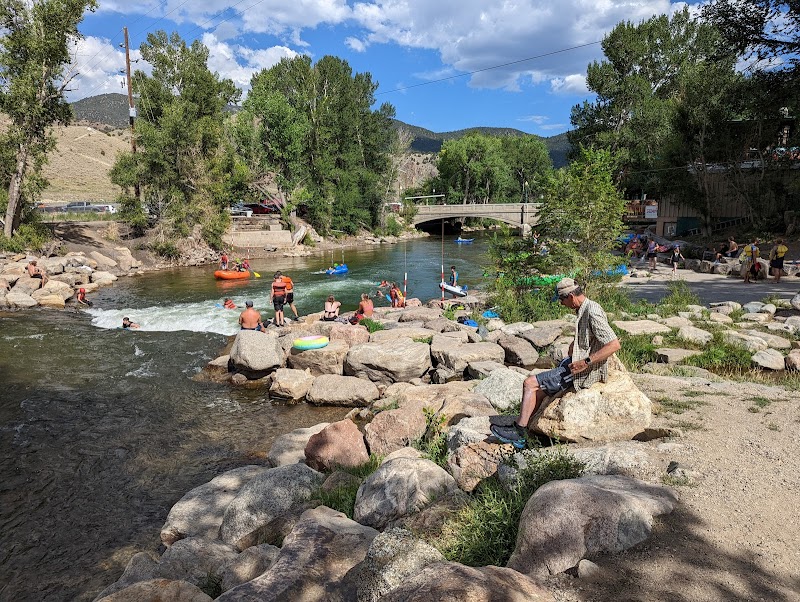
Nearby Trips
All Adventures
Boat Charters
Water Activities
Adventures near Salida
Discover the unique and memorable adventures that make Salida special.
Frequently Asked Questions
What tire pressure is recommended for rocky off-road trails near Salida?
Lowering tire pressure to between 18 and 20 PSI improves traction on rocky trails by allowing tires to conform to uneven surfaces and absorb shocks. However, avoid going below 15 PSI to prevent tire damage.
Is four-wheel drive mandatory on these trails?
While some easy routes might be manageable with two-wheel drive, most rocky trails near Salida require four-wheel drive low range for the torque and control needed to maneuver safely over steep, uneven terrain.
Are there any specific vehicle modifications recommended?
A suspension lift isn’t necessary but helpful to increase ground clearance. Additionally, skid plates protect the undercarriage, and proper off-road tires improve traction significantly.
What wildlife might I encounter during my off-road trips?
Keep an eye out for mule deer, mountain lions, and the occasional elk herd. Raptors like red-tailed hawks often soar overhead, especially near open climbs.
When is the best time to avoid crowds and enjoy solitude?
Early spring and late fall generally see less traffic. Summer tops in visitor numbers, especially weekends, so weekday drives offer quieter experiences.
Are river crossings common on these trails and are they safe?
There are a few shallow creek crossings where currents can shift rapidly after rains. Always assess water levels and flow strength before crossing, and exit if conditions seem unstable.
Recommended Gear
All-Terrain Tires
Durable tires with aggressive tread are critical for traction on rocky, uneven trails.
Portable Air Compressor
Essential for quickly re-inflating tires after running low pressures on rocky terrain.
Recovery Kit (Winch, Tow Straps)
Off-road recovery tools can save the day when the trail bites back or you get stuck.
Layered Clothing
Variable mountain weather needs adaptable layers to stay comfortable during cold mornings and warm afternoons.
Local Insights
Hidden Gems
- "The overlook at Two Rivers Park offers a lesser-known panoramic view of the Arkansas River valley."
- "An unmarked side trail leads to a quiet forest clearing ideal for a lunch break away from the main routes."
Wildlife
- "Mountain goats inhabit higher elevations, often found in rocky outcrops."
- "Dusky grouse roam under piñon pines and can be startled by quiet footsteps."
History
"The trails were once Native American pathways, later used by early miners and settlers; remnants of old mining equipment still appear on some routes."