
Choosing the Right Helmet and Lock for Mountain Biking Safety in Carmichael Park, California
Carmichael Park's mix of forested trails and open landscapes offers ideal conditions for mountain biking close to Sacramento. Knowing how to choose the right helmet and bike lock is key to navigating its terrain safely and securely.
Choose a Ventilated Helmet
Select a helmet with proper airflow to stay cool under California's sun during spring through fall rides.
Secure with a Strong U-Lock
Use a U-lock combined with a cable lock to protect your bike from theft, especially when leaving it unattended near limited bike racks.
Check Trail Conditions Before Riding
Trails can become slippery or muddy after rain; verify trail status to match your helmet’s protective features with conditions.
Hydrate Regularly
Keep water on hand; the sun intensifies through breaks in the trees, and hydrated muscles are less prone to fatigue and injury.
Choosing the Right Helmet and Lock for Mountain Biking Safety in Carmichael Park, California

4-Day single-speed bike
Discover Kauai’s stunning landscapes on a relaxed 4-day single-speed bike adventure. Perfect for those seeking an easy, scenic exploration with safety and comfort at the forefront.
Carmichael Park, with its winding trails flanked by towering oaks and open grassy expanses, offers mountain bikers a blend of challenge and calm just a few miles from Sacramento. The park’s terrain shifts—from smooth dirt paths to rocky stretches—demanding a helmet and lock that can keep pace with both the ride and the environment. Selecting the right gear is your frontline defense, balancing protection and practicality.
First, the helmet. In Carmichael Park, where trails can range around 3 to 5 miles with mild elevation gains close to 200 feet, you need a helmet that shields against unexpected slips and sudden drops without weighing you down. Look for helmets certified to CPSC standards—these ensure you're covered by basic safety regulations. For this route, a lightweight helmet with ventilation channels works best, as the California sun presses down starting late spring through early fall.
Pick a helmet with an adjustable fit system to keep it stable as the trails curve beneath you. Consider a model with extended rear coverage. This extra shield protects the back of your head if you catch an edge on rocky paths or veer off into bushes daring you to regain control. Many helmets now come with moisture-wicking liners—helpful when riding the sun-warmed dirt or jumping into shaded stretches.
Next, the lock. Carmichael Park is popular, and while it feels like a second home to locals, your bike faces real risks when left unsecured. Opt for a U-lock known for durability and resistance to cutting tools, paired with a cable lock if you need to secure wheels or accessories. The terrain here includes forested pockets where bike racks can be limited; a strong, compact lock means you can tether your bike to trees or sturdy park fixtures with confidence.
When choosing your lock, consider its weight against your ride goals. A robust lock is a worthy trade-off against the stress of a potential theft, especially if you step away for a hike or grab water from a nearby creek—nature’s own invitation challenging your attention.
Safety also extends to timing your ride: early mornings or late afternoons offer softer light and cooler temperatures. Hydration is crucial as the local California sun pushes warmth through shaded canopy breaks, and a helmet’s ventilation can be your best ally.
Ultimately, your helmet and lock are more than tools—they’re your trust in this fiercely alive patch of earth. They enable you to take on Carmichael Park’s inviting challenges without surrender, giving you a clear head and peace of mind as you navigate its storytelling trails.
Nearby Trips
All Adventures
Boat Charters
Water Activities
Adventures near Sacramento
Discover the unique and memorable adventures that make Sacramento special.
Frequently Asked Questions
What type of helmet is best for Carmichael Park's trails?
A lightweight helmet with CPSC certification and good ventilation suits Carmichael Park’s moderate elevation and warm climate. Extended rear coverage is helpful for protection on rocky paths.
Are there secure bike racks in Carmichael Park?
Bike racks exist but are limited in some areas. Carrying a strong U-lock paired with a cable lock lets riders secure bikes to sturdy trees or park fixtures when necessary.
How long is the typical mountain biking route in Carmichael Park?
Most mountain biking loops here range between 3 to 5 miles with about 150 to 200 feet elevation gain, making it manageable within 2 to 3 hours depending on pace.
What wildlife might I encounter during rides?
Keep an eye out for local birds such as hawks and woodpeckers, along with occasional sightings of deer and smaller mammals like squirrels, all parts of the park’s living energy.
Are there any lesser-known viewpoints along the trails?
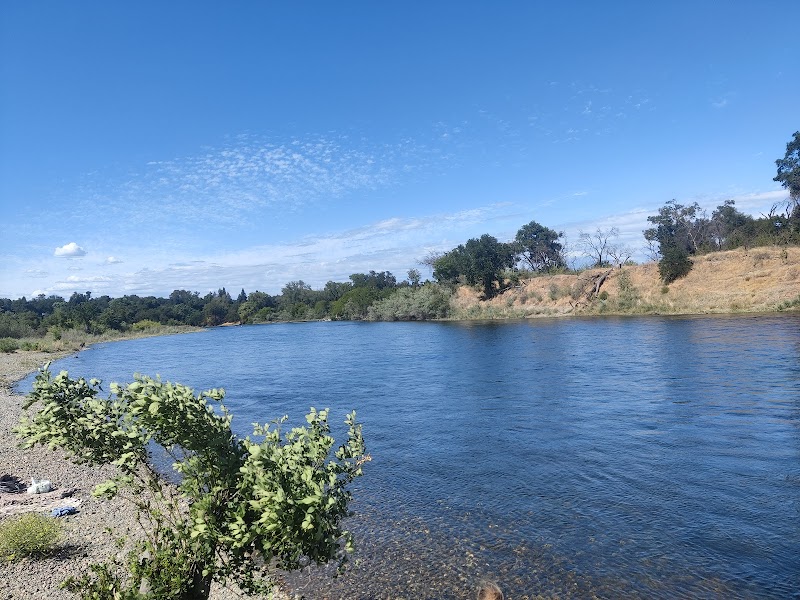
Yes, a quiet ridge near the eastern trailhead offers sweeping views of the American River Parkway. It’s a great spot to pause and catch the late afternoon light.
What environmental considerations should riders keep in mind?
Stick to designated trails to protect fragile oak root systems and avoid disturbing native plants. Carry out all waste, as park staff work actively to keep this green space intact.
Recommended Gear
Certified Lightweight Helmet
Protects the head while keeping you cool through well-placed ventilation channels.
Heavy-Duty U-Lock with Cable
Secure your bike effectively against theft, allowing attachment to various park fixtures.
Hydration Pack
Keeps you hydrated throughout the trail, especially important in warm weather.
Gloves with Grip
Reduce hand fatigue and improve control on rocky or loose dirt sections.
Local Insights
Hidden Gems
- "Quiet ridge near eastern trailhead with panoramic views"
- "Small creek crossing that offers a natural spots for breaks"
Wildlife
- "Red-tailed hawks circling overhead"
- "Deer browsing at dawn or dusk"
- "Woodpeckers tapping on oaks"
History
"Carmichael Park sits on land once frequented by Native American tribes such as the Nisenan, who respected the land’s rivers and forests as living entities."