Mastering Photography Tricks for Capturing Virginia’s Mountain Vistas and River Rapids
Virginia’s mountains and rivers offer photographers a blend of sweeping views and dynamic waterscapes. This guide pairs practical tips with vivid descriptions to help outdoor enthusiasts capture the wilderness with confidence and clarity.
Plan Your Timing for Light
Shoot early morning or late afternoon for the best natural light, avoiding midday glare especially on water surfaces.
Use a Tripod for Sharp Rapids Shots
A stable tripod allows you to experiment with slow shutter speeds to capture silky water effects.
Wear Waterproof, Grippy Footwear
Trails near rivers can be slippery and uneven; shoes with strong tread and water resistance keep you steady and safe.
Carry Polarizing Filters
Filters reduce glare off water and enhance sky contrast, ideal for clearer, more vibrant photos.
Mastering Photography Tricks for Capturing Virginia’s Mountain Vistas and River Rapids

2-Day/1-Night Buchanan to Back Run Campground
16 Miles
Discover the scenic waterways of Buchanan, VA, on a 2-day kayak adventure with Twin Rivers Outfitters. Experience tranquil paddling, overnight camping, and breathtaking natural beauty all in one trip.
Virginia’s wilderness invites you to engage with its rugged mountains and bold river rapids, perfect for photographers who want shots charged with energy and scope. The Appalachian Trail and Shenandoah National Park offer trails that measure from manageable 3 to 10 miles, with elevation gains often ranging between 800 to 2,500 feet. Focused preparation means steady footing on rocky or root-laced terrain, and an eye tuned to the shifting light piercing through forest canopies.
Start early—dawn casts long shadows and soft light over mountain ranges, while late afternoon reveals the river’s textures as currents dare you closer. Use a sturdy tripod for steady shots, especially when capturing rapids with long exposures to convey water’s relentless push. Fast shutter speeds freeze the splash, while slower speeds blur it into silk; plan your settings around the story you want to tell.
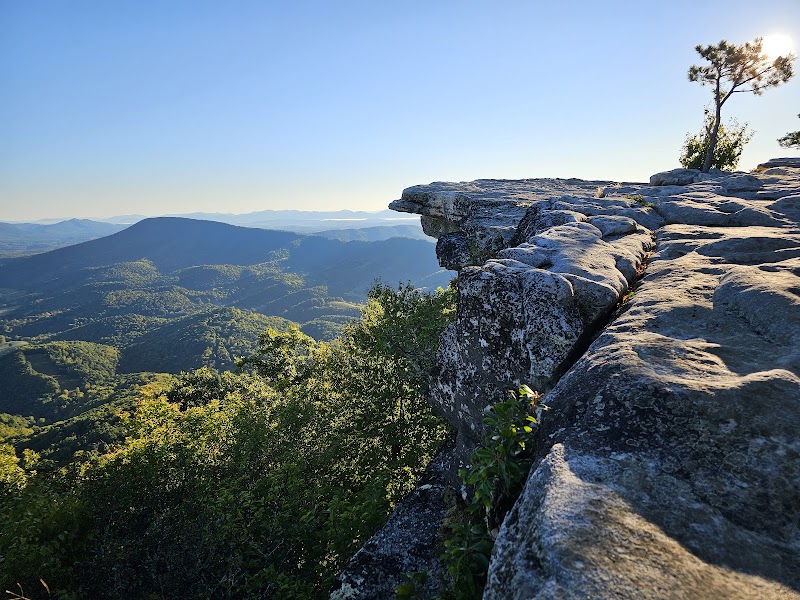
For mountain vistas, frame your shot to include foreground elements — a sharp ridge, weathered pine, or a boulder — so the landscape feels close, inviting the viewer in. Rivers, always dynamic, respond to your timing: a midday sun can produce distracting glare, so consider polarizing filters to reduce reflection and deepen colors.
Pack smart: waterproof boots with strong grip handle wet rocks and muddy patches; hydration is key since elevation and exertion spike your thirst—carry at least 2 liters on routes over five miles. Always check weather forecasts—the mountains can shift suddenly, adding both challenge and character to your photos.
When spotting wildlife near rivers or woods, respect their space and use zoom lenses to capture moments without disturbance. The Virginia wilderness is fiercely itself: impatient currents, trees swaying with purpose, and skies that can shift from sun to storm in minutes. Embrace this rhythm and let it shape your photographic adventure, balancing technical skill with an awareness of the wild’s unpredictable pulse.
Nearby Trips
All Adventures
Boat Charters
Water Activities
Adventures near Roanoke
Discover the unique and memorable adventures that make Roanoke special.
Frequently Asked Questions
What’s the best trail for combined mountain and river photography in Virginia?
The Rocky Knob section of the Blue Ridge Parkway offers approachable trails with both sweeping mountain views and access to river rapids, ideal for versatile shots.
Are there any safety concerns when photographing near rapids?
Yes. Rapids can be slippery and unpredictable; always maintain a safe distance, use non-slip footwear, and avoid wet rocks during high water flow.
Which camera settings work best for capturing fast-moving water?
Use a fast shutter speed (1/500s or faster) to freeze splash or a slow shutter speed (1/4 to 2 seconds) with a tripod to create a smooth, flowing effect.
Can I expect to see wildlife while hiking these trails?
Yes. Virginia’s wilderness supports deer, black bears, songbirds, and occasional river otters. Keep your distance and use long lenses for safe photography.
What permits or fees are needed for hiking and photography in these areas?
Most trails in Shenandoah National Park require a park entrance fee but no separate photography permits. Check park regulations in advance for drone use or commercial photography.
Is cell service reliable along these hiking routes?
Cell service can be spotty or unavailable, especially in remote mountain sections, so carry offline maps and notify someone of your itinerary.
Recommended Gear
Sturdy Hiking Boots
Provides grip and ankle support on rocky, wet trails near rivers and mountain slopes.
Waterproof Camera Bag
Protects gear from rain, spray, and accidental drops when near river rapids or in sudden weather.
Polarizing Filter
Reduces reflections and enhances colors, crucial for river and sky photography.
Hydration System
Ensures adequate water intake during hot, strenuous hikes.
Local Insights
Hidden Gems
- "The overlooks along the Otter Creek Trail provide lesser-known views of cascading rapids framed by old-growth forest."
- "Edge of the Mountain Knob offers a quieter vantage point away from crowded peak spots."
Wildlife
- "Look for Belted Kingfishers darting along river edges."
- "White-tailed deer frequently graze near forest clearings at dawn and dusk."
History
"Many trails follow old Native American paths and historic logging routes, visible in century-old rail remnants and stone foundations."