
Crooked River Canyon in Oregon offers a scenic tour where rugged cliffs and a wild river combine in a vivid outdoor experience. This guide prepares adventurers with practical tips to navigate the terrain confidently, helping you enjoy stunning views and nature’s raw power safely.
Stay Hydrated and Carry Extra Water
Crooked River Canyon’s exposed sections offer little shade, especially in summer; bring at least two liters per person to avoid dehydration.
Wear Sturdy Footwear with Good Traction
Trails include loose gravel and rocky patches that require supportive shoes to maintain balance and reduce risk of slips.
Start Early to Avoid Midday Heat
Morning hikes offer cooler temperatures and softer light, improving safety and photographic opportunities.
Stick to Marked Trails
Respect fragile ecosystems by avoiding shortcuts or off-trail routes to prevent erosion and protect local wildlife habitats.
Preparing for the Crooked River Canyon Scenic Tour in Oregon: A Practical Adventure Guide

Crooked River Canyon Tour
$250 Flat Rate • 1.5-2 Hours • 1-5 Passengers
Discover the thrill of fishing in the stunning Crooked River Canyon with Triple T Outfitters. This private tour offers personalized guidance and breathtaking scenery in Logan, Ohio. Keep reading to find out what makes this outdoor adventure so special.
Located in Central Oregon, the Crooked River Canyon offers a striking blend of rugged cliffs and flowing waters daring you to explore its depths. This scenic tour winds along trails that range from gentle forested paths to exposed rocky ledges, providing a balanced challenge for hikers of varied skill levels. Stretching roughly 5 miles round-trip, the main overlook trail ascends about 500 feet, guiding you through dry pine forests where the air carries a whisper of sage and desert heat. The canyon’s steep walls hold wildflowers and sagebrush that bend with the breeze, and the Crooked River itself twists fiercely below, pushing forward with steady currents that invite both admiration and respect.
Timing your visit before midday ensures you avoid the harsh Oregon sun as it leans in, especially during summer months. Pack adequate water—at least two liters per person—and footwear with solid grip since patches of loose gravel and dry dirt demand steady footing. The trail isn’t technically difficult but requires steady balance on narrow ledges. Morning or late afternoon visits reward you with cooler temperatures and softer light, perfect for photography and wildlife spotting.
Be prepared for the sun, as shade is sparse along the exposed portions of the canyon rim. Early spring brings bursts of wildflowers that brighten the rugged landscape but also unsettled weather, so layering is essential. The river below maneuvers with fierce independence, carving the canyon over millennia, and will challenge your perspective on the power held within natural forces.
Once you reach the main overlook, panoramic views unfold, showing how the canyon’s twisting course splits the landscape, opening vistas that are both raw and vast. Here, the air feels charged, alive with the pulse of wind and the distant calls of birds of prey circling above. This isn’t a place to conquer but to engage with—respect the fragile ecosystems and hold to designated paths.
For a fuller experience, include stops at the adjacent Geological Site, where ancient lava flows meet river erosion, a pause that invites reflection on time’s slow but relentless hand. Whether your goal is a brisk hike, a quiet afternoon of observation, or photographs that capture Oregon’s fierce natural identity, preparation and respect will deepen your experience in Crooked River Canyon.
Nearby Trips
All Adventures
Boat Charters
Water Activities
Adventures near Redmond
Discover the unique and memorable adventures that make Redmond special.
Frequently Asked Questions
How difficult is the Crooked River Canyon trail for beginners?
The trail is moderate in difficulty with a 500-foot elevation gain over about 2.5 miles one-way. Beginners with a basic fitness level can complete it if they pace themselves and wear proper footwear.
Are pets allowed on the Crooked River Canyon trails?
Yes, dogs are allowed but must be kept on a leash at all times due to steep cliffs and wildlife in the area.
Is there cell phone reception along the trail?
Reception can be spotty; it’s best to prepare as if you’ll be offline, especially for emergency communications.
What kind of wildlife might I see on this tour?
Visitors often spot mule deer, red-tailed hawks, and occasionally river otters near the water. Be respectful and observe from a distance.
Are there restroom facilities or water refill stations nearby?
Facilities are limited; use restrooms at nearby trailheads like the Peter Skene Ogden State Scenic Viewpoint before beginning your hike, and carry your own water.
Can this trail be combined with other hikes in the area?
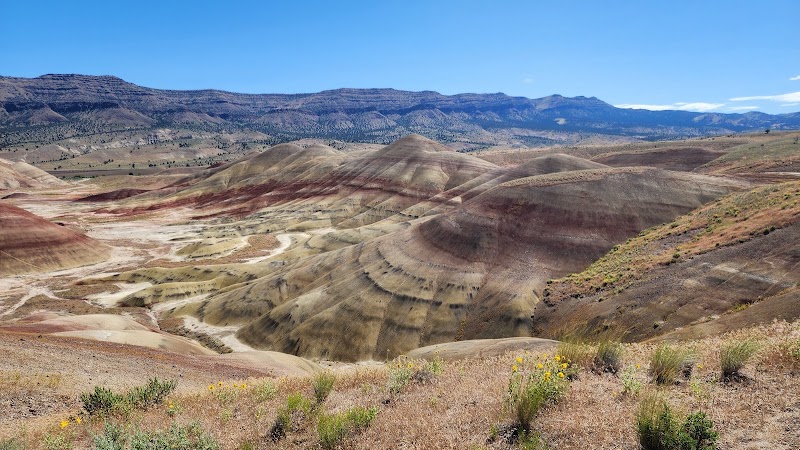
Yes. The nearby Peter Skene Ogden overlook and the Painted Hills are great additions for a full day of exploration in Central Oregon.
Recommended Gear
Hiking Boots
Provide traction and ankle support needed for rocky and uneven sections of the trail.
Water Bottle or Hydration Pack
Essential for maintaining hydration, especially in exposed sun-exposed stretches.
Layered Clothing
Allows adjustment to varying temperatures and weather conditions throughout the day.
Sun Protection (Hat, Sunscreen)
Critical for shielding skin and eyes from strong Oregon sun across open canyon areas.
Local Insights
Hidden Gems
- "Pine Ridge viewpoint — less frequented with a quieter perspective across the canyon"
- "Geological outcrop with ancient lava formations just a short detour off the main trail"
Wildlife
- "Mule deer prowling near dawn and dusk"
- "Swifts and hawks circling thermals overhead"
- "Annual sightings of river otters playing near calmer river stretches"
History
"The canyon was historically used by Native American tribes for hunting and gathering, and later by early settlers who navigated the river’s course as a natural boundary."