
Driving Beartooth Pass is a high-elevation adventure that blends thrilling landscapes with sharp seasonal shifts. Knowing when and how to prepare ensures your journey over this alpine route is safe and rewarding.
Check Road Closures Before You Go
Beartooth Pass is typically closed due to snow from October to late May. Always check current road status from local ranger stations or transportation websites before planning your trip.
Carry Essential Emergency Supplies
Pack water, food, extra layers, and an insulated blanket. Mobile coverage is spotty; prepare for delays by having basic survival gear in case you get stranded.
Manage Tire and Brake Health
Steep grades and tight curves demand tires with strong tread and brakes in top shape. Check both carefully to maintain control and avoid accidents on slick or uneven surfaces.
Start Early to Avoid Afternoon Weather
Mountain weather tends to turn quickly after noon. Plan to begin your drive or hike early to experience clearer skies and avoid sudden storms.
High-Altitude Preparedness: Essential Seasonal Checks for Driving Beartooth Pass

Yellowstone & Beartooth Pass Tour - Private Tour
10-11 hours • All ages • Maximum per vehicle: 6-8 guests • Season: Jun - Oct
Experience the rugged beauty of Yellowstone National Park and Beartooth Pass with a private naturalist-led tour featuring wildlife sightings, alpine vistas, and a catered picnic.
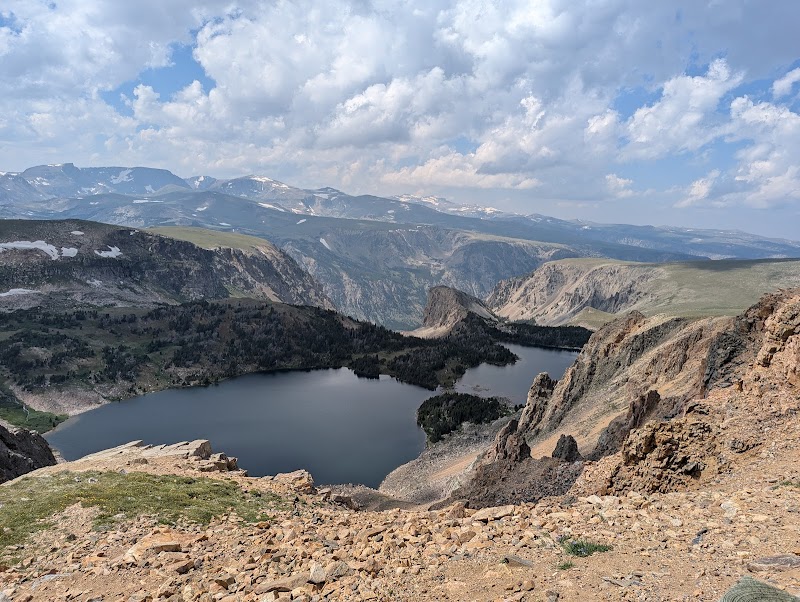
Beartooth Pass, sitting at 10,947 feet, challenges travelers with a route both breathtaking and demanding. Spanning 68 miles between Red Lodge, Montana, and Cody, Wyoming, this drive ascends sharply through forests thick with spruce and fir before bursting out into sprawling alpine plateaus. The colors shift sharply with the seasons, while the weather pushes forward unpredictably—sunlight can warm the pavement one moment and icy winds dare you to steady your grip the next.
Seasonal checks are crucial for safely navigating this iconic high-elevation corridor. Snow tends to arrive early and linger late, often blocking the road from October through May. Summer months offer a window of relative calm, but sudden afternoon storms still threaten with gusting winds and hail. Tire tread and brake performance need scrutiny before starting, as the steep grades and switchbacks demand reliable traction and stopping power. Fluid levels and battery health must be confirmed to avoid breakdowns where cell signal thins, and mechanical aid lingers out of reach.
Planning your drive means respecting the high-altitude environment fiercely itself. Pack layers to respond swiftly to swinging temperatures that collapse after sunset. Monitor forecasts daily and consider early morning departures to avoid weather shifts that gather peculiar speed in the afternoon. Bring emergency supplies: extra water, food, and an insulated blanket are not luxuries here but essentials.
For hikers venturing off the roadside trailheads, the terrain varies from forested paths to rugged talus fields. Expect elevation gains of 1,000 feet or more in short bursts with terrain shifting between soft soil and rocky scree. Clear mountain streams urge you onward, their currents both cold and lively. Trail times average between 1 to 3 hours depending on your chosen route, with views of Beartooth Lake and Mt. Warren rewarding the climb.
Driving Beartooth Pass is more than a commute; it is an engagement with a landscape that requires respect through preparation. The pass is fiercely alive with mountain weather and geological drama, inviting adventurers to move deliberately and remain alert. Seasonal checks transform enthusiasm into safety, ensuring your journey across this rugged high country is as thrilling as it is smart.
Nearby Trips
All Adventures
Boat Charters
Water Activities
Adventures near Red Lodge
Discover the unique and memorable adventures that make Red Lodge special.
Frequently Asked Questions
When does Beartooth Pass typically open for the season?
Beartooth Pass usually opens in late May or early June depending on snowmelt and weather conditions. It can remain closed well into summer after heavy winters.
Are there any lesser-known viewpoints along Beartooth Pass?
Beyond the popular NE Bowl Overlook, travelers often overlook the Hidden Lake turnoff just south of the pass, where quiet alpine views offer excellent solitude and sunsets.
What wildlife might I encounter on the drive or nearby trails?
Elk, mountain goats, and marmots are common sights. Early mornings can reveal bears foraging on the forest edges, so stay alert and store food safely.
How does altitude affect driving and hiking here?
The thin air at nearly 11,000 feet can cause shortness of breath and fatigue. Drivers should be aware of possible slower reaction times; hikers must pace themselves and hydrate adequately.
Are there any cultural or historic sites nearby?
The Beartooth Highway itself is a historic engineering marvel completed in 1936, recognized on the National Register of Historic Places. Indigenous tribes have historical ties to the region's valleys and peaks.
What environmental considerations should travelers keep in mind?
Stay on paved roads and designated trails to protect fragile alpine vegetation. Pack out all waste, avoid disturbing wildlife, and respect seasonal closures designed to conserve the delicate ecosystem.
Recommended Gear
Layered Clothing
Multiple layers allow you to adjust quickly to temperature swings common at high altitude.
All-terrain Tires
Durable tires with good tread enhance control on rocky and variable pavement surfaces.
Emergency Blanket
An insulated blanket helps retain body heat in case of unexpected stops or cold weather.
Hydration System
High altitude increases dehydration risk, so a reliable water bottle or hydration pack is crucial.
Local Insights
Hidden Gems
- "Hidden Lake Overlook - a quiet spot for sunrise views"
- "Castle Rock Trailhead - a less trafficked hiking entry point offering rugged terrain"
- "Grizzly Peak vantage points - rarely visited but stunning panoramas"
Wildlife
- "Mountain Goats"
- "Elk Herds"
- "Marmots"
- "Occasional Black Bears"
History
"Constructed during the Great Depression, the Beartooth Highway was built to provide access across rugged terrain, showcasing early 20th-century engineering ingenuity. The area is traditionally significant for the Crow and Shoshone tribes."