
Timing Your Visit: Navigating the Weather Windows for Cabbage Key, Florida
Cabbage Key offers a serene mix of coastal forest and marine life, best experienced during clear, mild months. Understanding seasonal weather and tidal patterns will help you make the most of your visit while staying comfortable and prepared for sudden changes.
Monitor Tide Charts
Low and high tides reveal or conceal key access points around the island; plan your arrival accordingly to avoid difficult waters or exposed sandbars.
Pack Lightweight Rain Gear
Florida weather shifts quickly. Carrying a compact rain jacket means you’ll stay dry during unpredictable afternoon storms common in summer.
Choose Appropriate Footwear
Waterproof hiking sandals or quick-dry shoes protect against muddy or wet terrain, improving traction and comfort on uneven ground.
Start Early in the Day
Morning visits help you avoid afternoon heat, maximize wildlife sightings, and reduce the chance of encountering fierce storms brewing later in the day.
Timing Your Visit: Navigating the Weather Windows for Cabbage Key, Florida
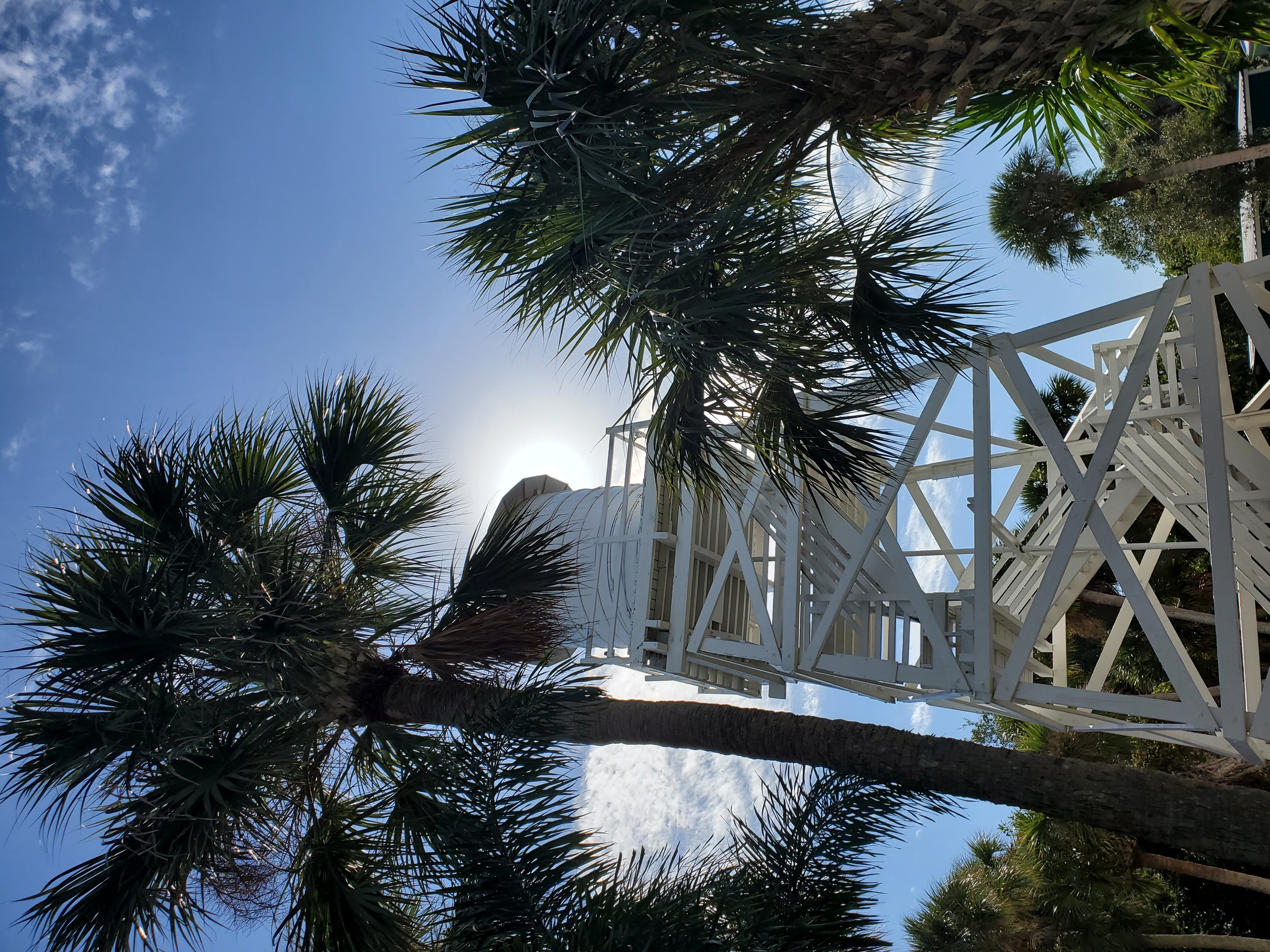
Cabbage Key Island Getaway Boat Tour
8 Hours • All Ages • Up to 6 People
Escape to Cabbage Key Island with this scenic boat tour from Fort Myers Beach. Experience pristine beaches, wildlife sightings, and charming island scenery all in one unforgettable adventure.
Cabbage Key, a quiet island off Florida’s southwest coast, invites adventurers with its mix of calm waters, lush vegetation, and native wildlife. Getting there means a short boat ride from the mainland near Punta Gorda, where the journey itself tests your planning against sun and sudden summer storms. While Cabbage Key lacks formal hiking trails, the terrain involves easy forested paths and sandy clearings that require mindful pacing and basic preparation.
Optimal timing isn’t just about seasons but understanding the island’s subtle mood swings. Winter and early spring bring drier air, lighter winds, and comfortable temperatures that encourage exploration without battling humidity’s weight. Summer, on the other hand, presses down hard with heat spikes and high moisture, turning insects into persistent companions and afternoon thunderstorms into unpredictable visitors.
If aiming to avoid stingrays in the shallow surrounding waters, tide charts become an important tool. Low tide unveils sandbars where the water whispers secrets of mud skippers and fiddler crabs, but it also means stronger sun exposure on open patches and tricky footing on wet sand. Change your footwear to waterproof hiking sandals or quick-dry sneakers to keep footing secure through marshy areas and muddy edges.
Hydration stands as a non-negotiable pillar of preparation. Florida’s sun isn’t just warm; it commands constant attention. Bring at least two liters of water per person and reapply sunscreen often. Early morning visits let you catch wildlife stirring — raccoons, herons, and occasional bobcats in the distance — while sidestepping the building afternoon heat and the threatening pull of clouds.
Being practical with packing means a light backpack leaning on the side of efficiency— mosquito repellent, sunglasses, a wide-brimmed hat, and a waterproof phone case. Weather can shift quickly, so a compact rain jacket will save both you and your gear from sudden showers. Remember, the natural elements here are fiercely themselves, thriving on their own rhythms and expecting you to respect their pace.
In taking on Cabbage Key’s understated challenges, your visit balances discovery with caution. It’s an invitation to navigate a living environment that shifts from serene to brisk, from welcoming to wild. When you land, listen to the cypress trees swaying and the bay’s currents nudging your boat forward — every moment here holds a lesson in timing and respect for the weather windows that shape your experience.
Nearby Trips
All Adventures
Boat Charters
Water Activities
Adventures near Punta Gorda
Discover the unique and memorable adventures that make Punta Gorda special.
Frequently Asked Questions
What is the best way to get to Cabbage Key?
The primary access to Cabbage Key is by boat, typically launched from Punta Gorda or nearby marinas. Private boats or guided tours provide the most reliable means since there are no public ferries.
Are there any hiking trails on Cabbage Key?
Cabbage Key lacks formal hiking trails, but informal paths wind through the island’s mangroves and coastal forest. These flat routes are easy to navigate but require attention to muddy spots and changing tides.
What wildlife can I expect to see on the island?
Look for raccoons, various bird species like herons and kingfishers, and even bobcats if you’re lucky. Along the waters, fiddler crabs and mud skippers animate the shoreline, while occasional dolphins appear offshore.
When is the best time of day to visit for photography?
Early mornings offer soft light, calm waters, and wildlife activity, creating ideal conditions for shore and forest shots. Late afternoon provides dramatic skies but be cautious of approaching storms.
Are there any environmental concerns to be aware of?
Cabbage Key’s ecosystem is fragile; avoid trampling vegetation, respect wildlife habitats, and pack out all trash. Tidal pools and mangrove roots are sensitive areas that need protection to maintain island health.
Is it necessary to bring food and water to the island?
Yes, Cabbage Key is undeveloped without any stores. Bring sufficient water—minimum two liters per person—and snacks or meals if you plan to stay several hours.
Recommended Gear
Waterproof Hiking Sandals
Keeps feet dry and comfortable in wet or muddy shoreline areas while providing good traction.
Compact Rain Jacket
Protects from sudden tropical downpours common in summer and early fall afternoons.
Mosquito Repellent
Necessary to reduce insect bites during times of increased mosquito activity, especially at dawn and dusk.
Hydration Pack or Water Bottle
Staying hydrated is critical; Florida’s sun and humidity demand regular water intake.
Local Insights
Hidden Gems
- "A small natural oyster bar revealed at low tide on the island’s northern shore"
- "A secluded mangrove nook favored by nesting shorebirds, east side"
- "Sunset views from the thin peninsula between two bays offer peaceful solitude"
Wildlife
- "Raccoons active at dusk"
- "Bobcat sightings are rare but reported on quiet mornings"
- "Fiddler crabs and mud skippers dominate the tidal mudflats"
History
"Originally inhabited and used by Native American tribes, the island later served as a fishing camp before becoming private preserve land. The island retains traces of small cultural artifacts and old fishing gear still occasionally found along the shore."