
Gear Considerations for Comfortable Kauaʻi Coastal Hikes
Experience Kauaʻi’s rugged coastline with gear that matches its wild heartbeat. This guide highlights essential equipment, practical tips, and seasonal insights to help you hike comfortably and confidently along some of the island’s best coastal trails.
Choose Footwear with Traction
Select trail-specific shoes or lightweight hiking boots with aggressive treads to manage slippery rock and muddy sections common on Kauaʻi’s coastline.
Hydrate Regularly
Carry at least 2 liters of water and sip consistently; Kauaʻi’s humidity accelerates dehydration even at moderate pace.
Dress in Breathable Layers
Wear moisture-wicking fabrics and include a sun-protective long sleeve for shade during exposed portions of the hike.
Pack a Lightweight Rain Jacket
Sudden rain showers are common; a vented jacket keeps you dry without overheating along exposed cliffside trails.
Gear Considerations for Comfortable Kauaʻi Coastal Hikes
Short & Sweet Kauaʻi Adventure
Up to 3 Hours • Up to 4 people
Embark on a scenic hiking journey through Kauaʻi’s lush rainforests and stunning waterfalls with Kauai Hiking Adventures. Perfect for all levels, this private experience offers breathtaking views and memorable wildlife encounters in paradise.
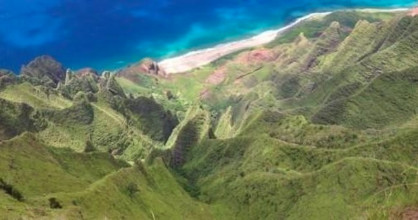
Kauaʻi’s coastline dares you with its raw beauty: crashing waves, steep cliffs, and winding trails that stretch along the edge of the Pacific’s restless pull. These coastal hikes reward with views that sweep across turquoise bays and jagged lava rock, but to keep your focus on the journey—not your discomfort—gear choices become critical.
Trails like the Kalalau Trail on the Nā Pali Coast cover about 11 miles one-way with an elevation gain that pushes 1,500 feet, featuring rocky terrain, slippery mud, and root-strewn forest paths. Alternatively, the Kealia Coastal Trail offers a gentler 5-mile out-and-back route with fewer surprises but just as many oceanfront vistas. Both walks ask for footwear with firm grip; trail runners or lightweight hiking boots with solid tread will help steady your footing on variable terrain.
The Pacific sun is relentless. Bringing layered clothing that breathes is a must—think lightweight synthetics or merino wool for moisture management and quick drying. A long-sleeved shirt with UPF protection will shield you from intense sun between the crossing gulches where the island’s trade winds momentarily drop. Rain is always a contender on Kauaʻi, so waterproof jackets with venting keep you dry without overheating when sudden showers strike.
Hydration is non-negotiable. Trailheads often lack facilities, and the humidity pushes sweat faster than it fades from memory. Plan to carry at least 2 liters of water—more on hotter days—and consider a hydration bladder for easy access while moving. Snacks should be compact energy sources: nuts, dried fruits, or electrolyte bars, the kind that fuel without weighing you down.
Pack light but pack smart. A daypack around 15-20 liters can hold essentials like sunscreen, a first aid kit, insect repellent (no bug is shy here), and a hat. If you’re heading toward longer outings, include trekking poles; they ease pressure on knees during steep descents and offer extra support on rocky steps.
To wander Kauaʻi’s coast is to engage with a landscape fiercely itself—wild, untamed, and breathtaking. Your gear becomes your dialogue partner in that wildness, not just accessories but tools to navigate, respect, and absorb the trail’s relentless charm. Preparation here means comfort; comfort means you’ll meet the island’s wild beauty fully tuned and ready.
Nearby Trips
All Adventures
Boat Charters
Water Activities
Adventures near Princeville
Discover the unique and memorable adventures that make Princeville special.
Frequently Asked Questions
Are there reliable water sources along Kauaʻi’s coastal trails?
Most coastal trails on Kauaʻi don’t feature dependable fresh water, so bring your own supply. Streams may run but can be contaminated or dry, especially during summer months.
What wildlife might I see during these hikes?
Expect to spot native birds like ‘apapane and mōlī (Hawaiian goose), while marine turtles occasionally surface close to shore. In winter, offshore whale sightings are common.
Is it necessary to use trekking poles on Kauaʻi coastal hikes?
Trekking poles aren’t mandatory but highly recommended on uneven or slippery terrain to improve stability and reduce leg strain during descents.
Are these coastal hikes suitable for children or inexperienced hikers?
Some trails are family-friendly, like Kealia Coastal Trail, but longer hikes like Kalalau demand good fitness and trail experience due to length and terrain challenges.
Where can I find lesser-known viewpoints along the trails?
Look for small side paths near Hanakāpīʻai Stream that lead to secluded cliffs, or explore tide pools near Kee Beach during low tide for quiet moments and marine life.
What conservation practices should hikers follow here?
Stay on marked trails to prevent erosion, pack out all trash, respect native plants, and avoid disturbing wildlife. Kauaʻi’s coastal environment is fragile, shaped by wind and water forces.
Recommended Gear
Trail-Running Shoes or Lightweight Hiking Boots
Provides grip on rocky and muddy surfaces while maintaining comfortable support for coastal hiking.
Hydration Pack or Water Bottles (2+ Liters)
Keeps you hydrated in humid, sunny conditions without breaking stride.
Breathable Long-Sleeve UV Shirt
Protects skin from intense tropical sun while managing moisture and heat.
Packable Rain Jacket
Lightweight waterproof layer helps when sudden tropical showers push through coastal zones.
Local Insights
Hidden Gems
- "Hanakāpīʻai Falls side trail just off the main Nā Pali trail offers a lush rainforest experience a short detour from the coast."
- "Keʻe Beach tide pools reveal colorful reef fish and sea urchins at low tide."
Wildlife
- "Hawaiian monk seals resting on remote beaches"
- "Nene geese quietly grazing near coastal grasslands"
- "Spinner dolphins visible offshore in calm waters"
History
"Many Kauaʻi coastal trails trace ancient Hawaiian paths where fishermen, farmers, and travelers once moved between remote villages, adding cultural depth to the hikes."