Safe Marine Wildlife Spotting Tips on Cape San Blas Boat Trips
Cape San Blas is a prime destination for marine wildlife spotting, offering close encounters with dolphins, sea turtles, and other Gulf Coast species. This guide covers essential tips to enjoy these encounters safely, balancing adventure with respect for the ocean’s delicate balance.
Observe from a Distance
Maintain at least 50 yards from wildlife to avoid disrupting behavior and ensure safety for both animals and passengers.
Use Polarized Sunglasses
Polarized lenses reduce surface glare, helping you spot marine animals beneath the water with greater clarity.
Idle Your Boat Near Wildlife
Slow down and let animals approach you on their own terms instead of chasing them, reducing stress to the ecosystem.
Check Weather and Tide Conditions
Plan your trip in the morning when waters are calmer, and be mindful of afternoon storms common in the Gulf Coast region.
Safe Marine Wildlife Spotting Tips on Cape San Blas Boat Trips

Trip to the Tip of Cape San Blas - Option B 3 Hours
3-Hours• Up to 6 People • Private Tour • 4 departure times
Set out on a captivating three-hour boat journey to the tip of Cape San Blas with Salty Fish Excursions. Watch for dolphins, enjoy beach activities, and bring your four-legged friends along for a memorable adventure along Florida’s Forgotten Coast.
Cruising the waters off Cape San Blas reveals a realm where salt-tipped breezes and the pulse of marine life intersect. This stretch of Florida's Gulf Coast offers rich opportunities to encounter playful dolphins, graceful sea turtles, and schools of shimmering fish, all within the embrace of untamed currents and shifting tides. Yet, marine wildlife here is fiercely itself — unpredictable and deserving of respect. Spotting these creatures safely means balancing curiosity with caution, ensuring your presence enriches rather than disrupts this fragile ecosystem.
Start your journey early; the morning light softens the water’s surface, making dolphins’ dorsal fins and turtle breaths easier to detect. Bring polarized sunglasses to cut through the glare, and keep binoculars handy to extend your view without disturbing habitat. Maintaining a steady, slow pace gives wildlife space to emerge naturally — sudden speed or loud engines send them scurrying beneath the waves.
When a pod of dolphins edges close, ease your boat to idle, letting their approach set the rhythm. Avoid sudden changes in direction that could startle or segregate the group. Sea turtles, often seen resting near seagrass beds, require an even gentler approach; keeping boats at least 50 yards away prevents stress and possible injury.
Cape San Blas demands an informed eye. Look for telltale breaks in the water’s surface: a swirl indicating a manatee’s slow surfacing, or the brief flash of a ray skimming underneath. Reading these signs blends sharp observation with patience. The salt air carries the scent of brine and seagrass, and the horizon’s light shifts as day moves on — all cues to the ocean’s living breath.
Practical preparation is a must. Equip your vessel with safety gear, check weather forecasts closely — sudden afternoon squalls are common — and carry fresh water to stay hydrated through long hours exposed to the sun. Sturdy footwear is advisable for boarding and disembarking at docks or when venturing near shore.
While the full spectacle of Cape San Blas’s marine life unfolds before you, remember you’re a guest in a wild environment shaped by currents and tides that never pause. Your observations, marked by respect and awareness, contribute to preserving the rich experience for future adventurers. In this dance between human curiosity and oceanic life, safety and mindfulness light the path forward.
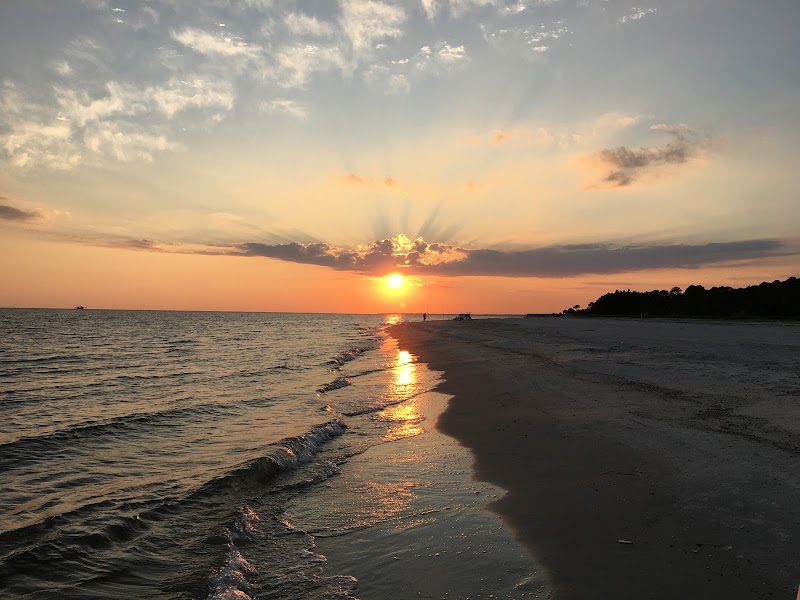
Nearby Trips
All Adventures
Boat Charters
Water Activities
Adventures near Port St. Joe
Discover the unique and memorable adventures that make Port St. Joe special.
Frequently Asked Questions
How close can I safely get to dolphins on Cape San Blas?
Federal guidelines recommend keeping at least 50 yards from dolphins to avoid disturbing their natural behavior. Approaching too closely can stress these intelligent creatures and may be illegal. Patience and a slow approach let dolphins decide how near they will come.
What marine animals are most commonly spotted on boat trips here?
Dolphins, sea turtles, manatees, and various species of fish and rays are frequently seen. Birdlife like ospreys and pelicans often accompany marine sightings and add to the coastal wildlife experience.
Are there any special permits needed for boat wildlife tours around Cape San Blas?
While no special permits are required for private boat trips, commercial operators must follow Florida Fish and Wildlife Conservation Commission regulations. Always verify local boating and wildlife interaction rules before heading out.
What time of day is best for spotting marine wildlife from the boat?
Early mornings typically provide calmer seas and better visibility with softer light angles, which improve spotting chances and reduce glare. Avoid mid-afternoon periods when storms can develop rapidly.
Are there protected areas or no-go zones for marine wildlife in this region?
Yes, some zones within the Gulf Islands National Seashore and adjoining marine sanctuaries restrict boat traffic or limit speeds to protect delicate habitats and species. Respecting these areas is crucial for conservation.
Are night spotting tours safe or recommended for marine wildlife here?
Night tours pose higher risks due to reduced visibility and the unpredictability of wildlife movement. They require experienced guides and proper lighting. Generally, daytime trips provide the safest and most rewarding experiences.
Recommended Gear
Polarized Sunglasses
Sharpen underwater visibility by cutting glare, making wildlife spotting easier and protecting eyes from sun exposure.
Waterproof Binoculars
Extend your view to distant marine animals without having to get closer and risk disturbance.
High SPF Sunscreen
Protect your skin during prolonged exposure to strong Gulf Coast sunlight, especially in open water.
Reusable Water Bottle
Stay hydrated during long boat trips where shade and freshwater access are limited.
Local Insights
Hidden Gems
- "Scenic sandbars accessible by boat where marine life congregates"
- "Secluded estuaries favored by manatees during cooler months"
Wildlife
- "Bottlenose dolphins"
- "Loggerhead sea turtles"
- "West Indian manatees"
- "Atlantic spotted dolphins"
History
"Cape San Blas’s coastline was once a bustling hub for fishing and trade in the 19th century, with maritime trails still traceable along the shore. The area holds cultural significance for local fishing communities who have long respected marine stewardship."