Packing Smart for Fly-Out Fishing at Crescent Lake, Lake Clark NP
Crescent Lake in Lake Clark National Park offers a rugged fly-out fishing experience framed by pristine wilderness and challenging terrain. This guide equips adventurers with practical packing tips to navigate the wilds and make the most of every cast on this remote Alaskan treasure.
Choose Grip-Ready Footwear
Opt for waterproof boots or sturdy trail runners with reliable traction. Streams and moss-covered rocks will test your balance and sure-footedness.
Pack Lightweight, Layer Up
Weather shifts quickly. Layer moisture-wicking base layers with insulated mid-layers and waterproof shells to adapt on the fly.
Bring Water and Filtration
Hydrate consistently using a hydration pack paired with a portable water filter. Fresh water sources run cold but are not always guaranteed safe directly from streams.
Plan for Early Starts
Mornings bring calmer winds and better fishing conditions. Starting your day before dawn maximizes your time on the water and avoids afternoon weather shifts.
Packing Smart for Fly-Out Fishing at Crescent Lake, Lake Clark NP

Fly Out Fishing: Crescent Lake: Salmon, Dolly Varden, Lake Trout, Bear Viewing
All ages welcome • 6 Hours • June/July/August/September
Discover the thrill of fly-out fishing at Crescent Lake, where towering volcanic scenery meets abundant salmon, Dolly Varden, and lake trout—and encounters with Alaska’s iconic bears add to the adventure. Read on to learn why this remote wilderness trip is a must-try for anglers and nature lovers alike.
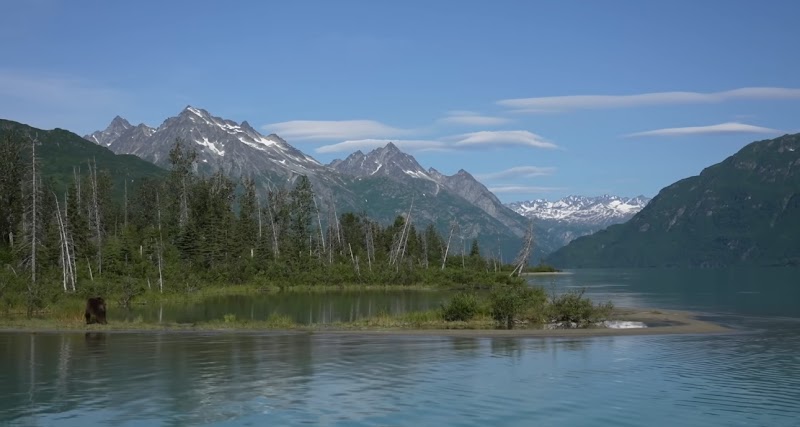
Launching your fly-out fishing journey at Crescent Lake in Lake Clark National Park means stepping into a wild and fiercely independent landscape where rivers challenge you and skies stretch wide with possibility. This remote lake rewards preparation and respect: the terrain around offers a mix of dense forest paths that test your footing and open ridgelines that lay bare sweeping views of rugged peaks. The hike to your floatplane pickup involves modest elevation gain—roughly 500 feet over 3 miles—through terrain that shifts from mossy spruce stands to rocky shores, each step revealing the pulse of an untamed ecosystem.
Packing for this kind of trip requires balancing lightweight essentials with practical sturdiness. Your footwear should handle slippery stream crossings and uneven ground without losing breath or grip. Layering is crucial because weather here turns like a river current—rapid and cold. Include waterproof gear and quick-dry layers; those clouds daring you with rain are never far. Hydration packs with filtration capability will keep your water intake steady while light snacks like energy bars provide fuel without bulk.
For fishing, your arsenal has to be ready for action but easy to carry: compact fly boxes, polarized sunglasses to sneak a peek under ripples, and a reliable rod that packs down. Remember, every item is a challenge to carry over shifting algae and pine needles underfoot. Keep your pack balanced and attack each step with intention.
Timing is key; mornings often bring calm lakes with glassy surfaces perfect for spotting rising trout waving their tails. Afternoons can push wind and sudden showers, urging you to retreat or seek shelter. Understanding these natural rhythms makes your adventure smoother and more rewarding.
Ultimately, pack not just gear but preparedness and respect. You’re moving through a place fiercely itself, demanding you be equally deliberate. This is fishing with the wild—not just a sport but a conversation with rivers and forests that hold their stories tightly, waiting for those willing to listen and tread carefully.
Nearby Trips
All Adventures
Boat Charters
Water Activities
Adventures near Port Alsworth
Discover the unique and memorable adventures that make Port Alsworth special.
Frequently Asked Questions
When is the best time of day to fish at Crescent Lake?
Early mornings are optimal. The lake tends to hold calm waters and trout are more active, responding to insect hatches before midday winds stir the surface.
How challenging is the hike to the floatplane pickup by Crescent Lake?
The three-mile hike gains about 500 feet in elevation over mixed terrain. It requires steady footing at stream crossings and some scrambling, making it moderate in difficulty but manageable for most prepared hikers.
Are there any wildlife safety concerns to keep in mind?
Yes. Bears frequent the region, particularly during salmon runs. Carry bear spray, make noise, and store food properly to minimize encounters.
What makes fly-out fishing here distinct from other Alaskan locations?
Crescent Lake offers pristine, less crowded waters accessible only by floatplane or a campground hike, giving anglers a chance to fish in solitude amid a vivid wilderness experience.
Is there cellphone reception or emergency support available?
Cell service is extremely limited. Visitors must plan for self-sufficiency, including carrying satellite messengers or personal locator beacons for emergencies.
What permits are needed for fly-out fishing at Crescent Lake?
Fly fishing within Lake Clark National Park requires a valid Alaska fishing license. Additionally, visitors should register their plans with park authorities and adhere to fishing regulations specific to the park.
Recommended Gear
Waterproof Hiking Boots
Keeps feet dry and provides traction on mossy rocks and wet, uneven ground.
Layered Clothing System
Combination of base, insulating, and waterproof layers to handle rapid weather changes.
Portable Water Filter
Ensures access to potable water from natural sources encountered en route.
Compact Fly Box and Rod
Lightweight fishing gear designed for easy transport and quick deployment on remote lakes.
Local Insights
Hidden Gems
- "A quiet overlook east of Crescent Lake offers panoramic views of the Alaska Range seldom visited by floatplane groups."
- "Tiny beaver ponds near the trail provide excellent spots for observing local amphibians and birdlife."
Wildlife
- "Brown bears routinely patrol river mouths where salmon gather."
- "Dall sheep perch on steep alpine ridges, delivering rare close encounters for patient observers."
History
"Lake Clark National Park carries deep cultural significance to the indigenous Dena'ina people, who have relied on these lands for millennia. Many trails and waterways have been traditional fishing and hunting routes."