Mastering Timing and Tidal Windows for Prime Brown Bear Viewing in Lake Clark NP
Experience the thrill of brown bear viewing in Lake Clark National Park by mastering the timing of tidal windows and salmon runs. Discover when and where to witness bears in action, with practical advice to navigate the terrain and conditions for an unforgettable wilderness adventure.
Check Tide Tables Before Heading Out
Brown bear activity closely follows salmon movement tied to tides—plan hikes around the low tide window for the best chance to see bears fishing.
Wear Waterproof Footwear
Expect muddy tidal flats and wet forest floors; waterproof boots or shoes with good traction prevent discomfort and slips.
Bring Layers for Variable Weather
Alaska's coastal weather shifts quickly—dress in moisture-wicking layers and include windproof outerwear for comfort during long observation waits.
Maintain a Respectful Distance
Bears are powerful and unpredictable—use binoculars or spotting scopes rather than approaching, and follow park guidelines to stay safe.
Mastering Timing and Tidal Windows for Prime Brown Bear Viewing in Lake Clark NP

Bear Viewing Trip
Ages 5+ • 8 Hours • 6 Passenger Private and Non-Private Trips
Discover the thrill of spotting Alaska's majestic bears on this private viewing adventure in Homer. Perfect for wildlife enthusiasts and nature lovers, this tour offers an intimate encounter with Alaska's wilderness. Keep reading to learn more about what makes this trip so special!
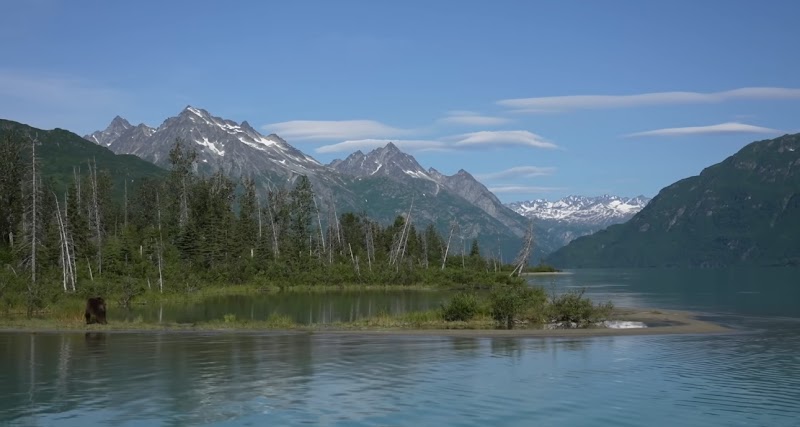
Lake Clark National Park is a wild place, where the lands and tides choreograph an ever-changing stage for brown bears to hunt, feed, and move with fierce intent. Knowing when to arrive and how to read tidal rhythms dramatically boosts your chance of close encounters with these extraordinary creatures.
The heart of optimal brown bear viewing lies in the tidal windows at Chinitna Bay and the banks of the Tlikakila River. Tides draw salmon closer to shore, compelling bears to fish at the water’s edge. The ebb and flow are like a silent countdown; low tides reveal salmon spawning grounds and mudflats, luring bears hungry for easy catches.
The prime viewing season spans mid-July through early September. During these months, salmon runs peak, and tides fall low during daylight hours, offering exhilarating views of bears balancing patience and power. Arriving too early or late can mean missing either the salmon or the bears entirely.
Plan for field conditions: expect terrain that shifts from dense spruce forests following the bay shore to soggy tidal flats. Trails range from easy flat stretches to uneven ground rimmed with alder thickets that dare your footing. Distances vary but anticipate 3 to 7 miles roundtrip hikes to vantage points where bears are active.
Gear up accordingly. Waterproof boots are essential for muddy flats; layered clothing protects against wind sweeping off Cook Inlet. Hydration matters in the summer heat, where the sun can burn fast and unexpected rain cool sharply. Binoculars and a spotting scope elevate your experience, letting you observe without intruding on bear space.
Understanding tides means consulting local tide charts to align your hikes with the low tide window—usually within two hours before and after the lowest point. This timing maximizes observation when salmon congregate and bears arrive in force. Patience is part of the journey—bears are unpredictable and fiercely themselves, so respect the rhythms where you watch, not disrupt.
Early mornings or late afternoons bring shifting shadows and active bears, perfect for photography and quiet moments. The wilderness around Lake Clark moves with energy—rivers pulse, mudflats reveal, and bears take center stage, all demanding your awareness and preparation.
In sum, your best brown bear viewing hinges on understanding tides, timing your arrival to salmon runs, and preparing for the variable terrain and weather. The payoff is immersion in a wilderness scene where life thrives on natural cycles, and you become part of the unfolding adventure.
Nearby Trips
All Adventures
Boat Charters
Water Activities
Adventures near Port Alsworth
Discover the unique and memorable adventures that make Port Alsworth special.
Frequently Asked Questions
When is the best time of day for brown bear viewing in Lake Clark NP?
Early mornings and late afternoons provide the best light and activity. Bears often fish during low tide hours when salmon are abundant along shorelines.
How close can I get to the bears safely?
Maintain a distance of at least 100 yards (91 meters) for safety. Use binoculars or scopes to observe without causing disturbance or danger.
Are guided tours necessary for bear viewing here?
While not required, guided tours increase safety and provide valuable local knowledge on timing and locations to maximize sightings.
What other wildlife might I encounter on these hikes?
Expect to see bald eagles, salmon, foxes, and occasionally moose. The area’s rich ecosystem means several species share the habitat with the bears.
How should I prepare for changing weather conditions?
Bring moisture-wicking base layers, waterproof outer shells, and wind-resistant clothing. Prepare for dampness from rain or fog, common along the coast.
Can I camp near the bear viewing sites?
Camping is permitted but requires bear-safe practices such as storing food properly. It’s wise to camp at designated sites to minimize impact and enhance safety.
Recommended Gear
Waterproof Hiking Boots
Protects feet from mud and wet conditions on tidal flats and forest trails, ensuring grip and comfort.
Layered Clothing System
Allows adaptation to rapidly changing temperatures and wind near the shore.
Binoculars or Spotting Scope
Enables safe observation of bears from a distance without disturbing them.
Water Bottle or Hydration System
Keeps you hydrated during long, physically demanding hikes in warm daylight hours.
Local Insights
Hidden Gems
- "Cliff-edge lookout points overlooking Tlikakila River’s salmon pools"
- "Tidal mudflats at Chinitna Bay where bears sift for shellfish"
Wildlife
- "Brown bears feeding on salmon"
- "Bald eagles scavenging fish scraps"
- "Beavers along riverbanks"
History
"Lake Clark National Park protects landscapes historically hunted and lived in by Alaska Native communities who have long respected the balance between humans and wildlife."