
The Lower Flathead River’s protected Native waters offer an unmatched fishing experience that demands respect for both the environment and timing. Aligning your trip with the river’s seasonal rhythms ensures not only success but also a meaningful adventure along this dynamic Montana waterway.
Respect Tribal Fishing Regulations
The Lower Flathead River is within protected Native waters; always verify current fishing rules and use approved gear such as barbless hooks and catch-and-release practices.
Time Your Cast Around Flow Changes
High spring flows can be dangerous and reduce fishing success, while late spring and early summer offer calmer waters ideal for targeting native species.
Bring Hydration and Sun Protection
Summer days can be hot and exposed along riverbanks; pack ample water, sunscreen, and sun hats for long fishing sessions.
Wear Waterproof, Grippy Footwear
River terrain includes slippery rocks and muddy banks; sturdy wading boots or waterproof shoes with good traction improve safety and comfort.
Timing Your Fishing Quest in the Lower Flathead River’s Protected Native Waters

Adaptive Fishing/Flatwater Adventures
Ages 13+ • 6-10 Hours • Handicap Accessible!
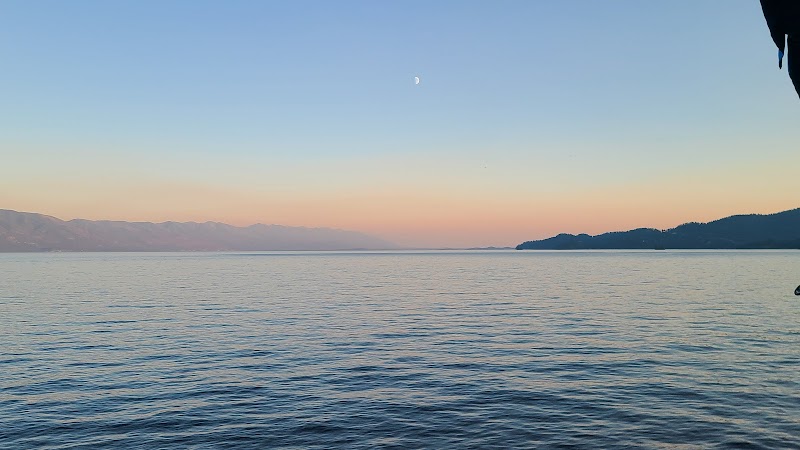
Experience accessible fishing on calm waters in Montana with a private guide from Flathead Raft Company. Perfect for anglers of all abilities, this adventure offers tranquility, expert guidance, and stunning lakeside scenery.
The Lower Flathead River, coursing with a relentless yet measured pace, offers anglers an opportunity both rare and demanding. These protected Native waters, steeped in cultural significance and ecological vigilance, respond keenly to the rhythms of the seasons. Understanding when to cast your line isn’t just about convenience—it’s about syncing your adventure with the river’s own fierce cycles.
Spring arrives with a surge. Melting snow from the surrounding Crowsnest Mountains adds volume and urgency to the river’s flow, pushing you to pick your moments carefully. Early spring (March to mid-April) means swift currents that dare even seasoned anglers to read their riptides well; fish are just waking, often holding tight in calmer pockets or near woody debris backing water. Expect increased sediment, muting visibility but not dampening the river’s vitality.
By late spring into early summer (May to June), the water calms and clarity returns. These months signal peak fishing conditions—trout and whitefish emerge into feeding frenzies that invite a more deliberate approach. This window is your sweet spot for targeting native species in this carefully managed section. It’s also a season that demands respect for the river’s protections: remember catch and release policies and be prepared to use non-lead tackle to minimize ecological harm.
Summer’s heat, spreading across the valley (July to August), tugs the river into slower runs and warmer pools. Fishing here shifts to early mornings and late evenings when the river’s pulse quickens, and the fish rise to feeding opportunities in cooler water strata. Midday sun hardens banks and demands hydration and sun protection for any adventurer willing to stay long and push farther upstream.
Fall (September to November) returns a crispness that reenlivens the river. Cooler flows revive fish activity before winter’s dormancy. This period lets anglers work a variety of flows and riffles with a steadier hand, worlds away from the chaos of spring run-off. It’s also when the landscape changes—gold and rust tones edging in, making your river journey not just about fishing but also about immersive viewing.
Winter’s grip is firm and clear. From December through February, the river slows, ice may edge the banks, and fish movements decrease, focusing on deep, slow pools. Some dedicated anglers take on the challenge with specialized gear, but for most, the season is a reminder that the river commands patience and timing.
Success on the Lower Flathead depends on experience reading the water and patience attuned to nature’s cycles. Plan your trip around these seasonal pulses, respect tribal regulations, and equip yourself wisely. The river is fierce and protective—not an adversary, but a living force that shapes your every cast and step.
Nearby Trips
All Adventures
Boat Charters
Water Activities
Adventures near Polson
Discover the unique and memorable adventures that make Polson special.
Frequently Asked Questions
Why are the Lower Flathead River waters protected?
The waters are managed as protected Native lands to conserve fisheries crucial to the Confederated Salish and Kootenai Tribes. This means strict regulations exist to sustain native fish populations and respect cultural heritage.
When is the best time of day to fish here?
Early mornings and late evenings are typically best, especially in summer, when cooler water temperatures trigger active feeding among trout and whitefish.
Are there any lesser-known fishing spots along the Lower Flathead River?
Yes, upstream near Mission Creek provides quieter pools with less pressure, and several old river bends near Pablo offer excellent hidden riffles favored by native fish.
What wildlife might I see while fishing along the river?
Besides fishing targets, you might spot bald eagles gliding overhead, river otters darting through brush, and during cooler seasons, migrating waterfowl resting along sheltered banks.
How should I approach fishing to minimize environmental impact?
Stick to catch-and-release practices, use barbless hooks, avoid disturbing riverbanks, and ensure you pack out all waste. The tribes' stewardship prioritizes the river’s long-term health.
Is it necessary to have a permit to fish here?
Fishing requires compliance with tribal regulations. While non-tribal anglers may fish certain stretches under specific permits, it's essential to check with Confederated Salish and Kootenai Tribes offices for current licensing rules.
Recommended Gear
Wading Boots
Offers grip on slippery rocks and protects feet in cold or shallow water.
Lightweight Waterproof Jacket
Protects against spring rain, wind, and chilly river breezes.
Polarized Sunglasses
Improves visibility into the water, helping spot fish and underwater hazards.
Hydration Pack
Keeps you hydrated during long, sunny afternoon fishing sessions.
Local Insights
Hidden Gems
- "Mission Creek Pools - quieter fishing with secluded access"
- "Old River Meanders near Pablo - excellent riffle habitat supporting native fish"
Wildlife
- "Bald Eagles - often seen soaring above the river"
- "River Otters - playful and elusive occupants of river edges"
History
"The Lower Flathead River flows through the ancestral lands of the Confederated Salish and Kootenai Tribes, whose stewardship over these waters has shaped sustainable fishing practices for centuries."