Flathead Lake's multi-island water routes offer an adventurous blend of open crossing and secluded exploration. This guide equips you with essential logistics and practical tips to safely navigate the lake’s dynamic waterways and unique island terrain.
Start Early to Avoid Afternoon Winds
Morning hours typically bring calmer winds, making open-water crossings safer and more manageable.
Wear Footwear with Reliable Grip
Islands have rocky, uneven terrain that demands sturdy, traction-focused shoes.
Pack Waterproof Navigation Tools
Carry a GPS device and waterproof maps to keep track of routes, as landmarks can be misleading from the water.
Bring at Least Two Liters of Water per Person
Islands have no fresh water sources, so hydration depends entirely on what you carry.
Navigating the Multi-Island Water Routes of Flathead Lake: Logistics and Best Practices

Canoes
For All Ages! • 5 & 10 Hour Rentals • Fits 2-3 People
Explore the tranquil waters of Flathead Lake by canoe with Boat Rentals and Rides in Big Arm, Montana. Experience stunning scenery, abundant wildlife, and the peaceful atmosphere that makes this adventure unforgettable.
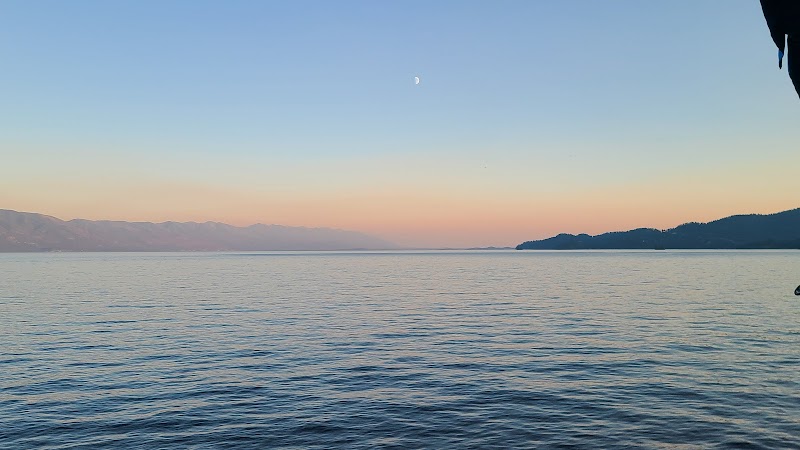
Flathead Lake sprawls wide and deep in Montana's rugged heart, its surface calling out with a restless current that dares you to explore its scattered islands. For adventurers looking to traverse multiple islands by water, the routes demand respect—each wave a small force, each breeze a companion urging your pace. The task isn’t just paddling or boating; it’s a tactical engagement with Flathead's shifting moods and isolated gems.
Distance between the islands varies, generally ranging from one to five miles of crossing open water. These segments are long enough to require preparation but not so daunting as to intimidate. Navigators should anticipate currents that run firm with the lake’s natural pull, pushing onward with a will that's unyielding but steady.
Start outfitting from Polson, the lake’s closest town and a practical launch point. Here, rental outfitters and local guides offer insights into seasonal lake behavior, wind patterns, and island-specific conditions that often change with the weather. Safety gear is not optional; even experienced paddlers will benefit from a properly fitting life jacket, a waterproof GPS, and dry bags for essentials.
Planning is tactical. A weather window in the morning hours typically aligns with calmer waters, while afternoons provoke winds that challenge your route and rhythm. Scheduling island stops for rest or exploration should factor in the added energy required for open-water crossings. Island terrain fluctuates: dense pockets of Douglas-fir and ponderosa pine provide shaded trails, while rocky shorelines demand sturdy footwear with good grip. Elevations on islands rarely exceed 100 feet but offer rewarding vantage points that reveal Flathead’s sweeping panorama—water and sky merging on the horizon.
Hydration and sustenance must be constant companions. Each island lacks fresh water sources; carry adequate water and high-energy snacks to maintain momentum. Waterproof maps or digital guides on mobile devices enhance route confidence but always carry a physical backup.
Respect the natural environment: these islands are fiercely independent ecosystems with delicate plant life and nesting birds. Approach campsites carefully and practice Leave No Trace principles. The water itself is a living character, its temperature cool enough to demand caution in case of inadvertent immersion.
Whether your journey involves paddling solo or in a group, embrace the challenge it represents—Flathead’s multi-island routes refuse to be subdued but reward those who listen, prepare, and move deliberately. This isn’t about rushing through a checklist; it’s engaging with an environment that’s sharp, sincere, and intensely alive. With thorough planning, the experience delivers a memorable adventure and practical skills sharpened on Montana’s great lake.
Nearby Trips
All Adventures
Boat Charters
Water Activities
Adventures near Polson
Discover the unique and memorable adventures that make Polson special.
Frequently Asked Questions
What are the safest islands to start on for beginners?
Lone Pine Island and Wild Horse Island are great entry points for first-timers. Their proximity to Polson limits crossing distance and they offer well-marked trails with minimal elevation gain.
Are there camping options on the islands?
Wild Horse Island has designated campsites requiring advance permits. Other islands typically prohibit overnight stays to protect fragile ecosystems.
How do wind conditions affect island hopping?
Wind tends to build in the afternoons, increasing wave height and making crossings more strenuous. Early starts capitalize on calmer water, improving safety and stability.
Is it necessary to have a boat license or permit for Flathead Lake?
No specific permits are required for non-motorized watercraft, but motorized vessels need appropriate boating licenses per Montana state regulations.
What wildlife might I encounter on the islands?
Deer, bald eagles, osprey, and occasionally bighorn sheep inhabit the islands. Keep a respectful distance to avoid disturbing nesting birds and grazing animals.
Are there any ecological regulations I should follow?
Yes, follow Leave No Trace principles rigorously. Avoid disturbing wildlife, pack out all trash, and do not remove plants or rocks to preserve island habitats.
Recommended Gear
Personal Flotation Device (PFD)
A properly fitted life jacket is critical for safety on open water crossings.
Waterproof GPS or Map
Essential for route tracking—visibility of landmarks can shift with light and weather.
Dry Bags
Keeps clothes, food, and electronics safe from lake spray and unexpected splashes.
High-traction Footwear
Necessary for navigating rocky shorelines and forested island trails safely.
Local Insights
Hidden Gems
- "Heaven's Peak on Wild Horse Island offers panoramic views rarely crowded."
- "Small coves on Stoner Point provide quiet spots for wildlife observation."
Wildlife
- "Look for river otters darting near shorelines and migratory waterfowl resting on quieter islands."
History
"Flathead Lake islands have been seasonal home and hunting grounds for the Confederated Salish and Kootenai Tribes, reflecting centuries of cultural importance."