
Preparing Children for Equine-Assisted Learning in California: A Practical Guide
Equine-Assisted Learning in California empowers children through meaningful connection with horses, building confidence and emotional skills. This guide provides practical tips to prepare your child for a safe, rewarding experience at local EAL programs.
Dress for Safety and Comfort
Ensure children wear closed-toe sturdy shoes and long pants to prevent injuries when interacting with horses.
Hydration Matters
Bring plenty of water, as sessions can last an hour or more under the California sun.
Encourage Calm, Confident Energy
Teach children to approach horses slowly and quietly; sudden movements may startle the animals.
Plan Sessions Around Cooler Hours
Morning and late afternoon provide more comfortable temperatures for both horses and kids.
Preparing Children for Equine-Assisted Learning in California: A Practical Guide

Equine-Assisted Learning Session (Individual)
Ages 6+• 1 Hour • Equine-Assisted Learning (EAL) • Therapeutic Riding
Discover personal growth through a private horses session in Whitefish, Montana. Experience the calming effects of equine therapy in a scenic outdoor setting designed to deepen self-awareness and connection.
Equine-Assisted Learning (EAL) offers children an engaging way to build confidence, emotional intelligence, and communication skills through direct interaction with horses. In California, a state rich with equestrian programs that blend education and therapy, preparing children for EAL requires both practical readiness and an appreciation of the unique bond between child and horse.
Start with a mindset that is open and curious. Horses respond best to calm, confident energy—help children understand that their attitude can influence the horse’s behavior. Teach basic safety rules: approach horses slowly, avoid sudden movements, and always respect the horse's space. These guidelines build trust and lay the groundwork for a successful learning experience.
Logistics-wise, comfort is key. Children should wear closed-toe shoes with sturdy soles—cowboy boots or hiking shoes work well. Long pants protect from scrapes during grooming or riding. Bring a hat and sunscreen; California sun can be relentless, especially in afternoon sessions. Hydration isn’t optional; pack a water bottle for breaks.
Many EAL programs in California offer an initial orientation where kids learn about horse anatomy and care. Engage children in grooming tasks—this hands-on approach strengthens their connection to the animal and deepens respect for these powerful creatures. Be prepared to answer questions, as children often become fascinated by horses’ personalities and subtle body language.
The terrain and setting of the facility influence the experience, too. Some centers lie near gentle, rolling hills; others sit amid flat pastures edged by whispering trees that seem to encourage reflection. Encouraging kids to notice the environment helps them tune into the present moment and the horse’s cues. This rhythm of observation and response forms the heart of EAL.
Timing your visit during cooler hours of the day maximizes comfort for both children and horses. Early mornings or late afternoons are best, letting the natural world’s pace—rustling leaves, soft hoofsteps—guide the experience rather than rush it.
Finally, foster patience. Horses move by their own will and invite us to meet them honestly. A child’s learning curve may include moments of hesitation or uncertainty, and that’s part of the journey. Encouraging steady progress reinforces not just equestrian skills but emotional resilience.
Whether your child is a budding rider or a first-time equine participant, California’s diverse range of EAL programs offers the opportunity to engage with horses as partners in growth and discovery. With thoughtful preparation, this adventure marries practical readiness with the rewarding challenge of working with an animal fiercely itself.
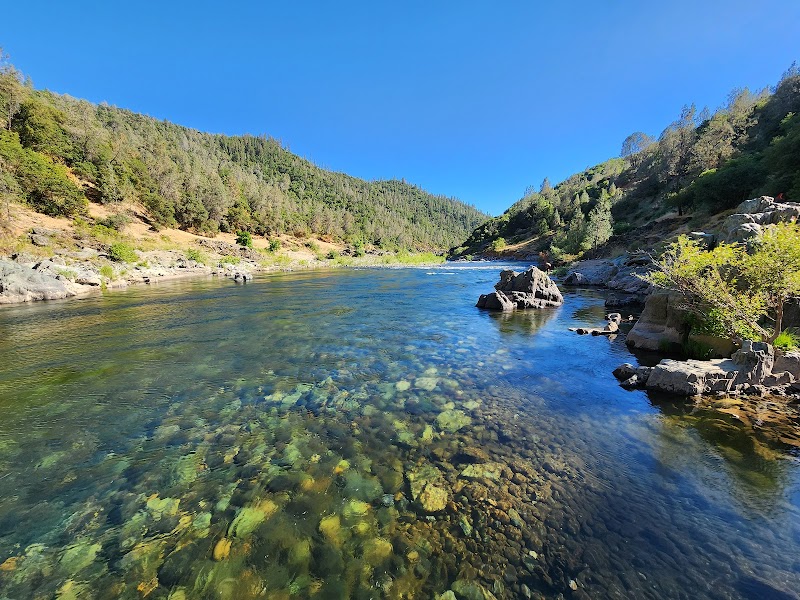
Nearby Trips
All Adventures
Boat Charters
Water Activities
Adventures near Placerville
Discover the unique and memorable adventures that make Placerville special.
Frequently Asked Questions
What age is appropriate for children to start Equine-Assisted Learning?
Many programs accept children as young as 5 years old, but readiness depends on the child’s comfort with animals and ability to follow safety instructions. Starting with an orientation helps both child and program assess fit.
How do horses contribute to a child’s emotional development in EAL?
Horses react to nonverbal cues and emotions, encouraging children to develop patience, empathy, and self-awareness. These interactions improve communication skills and build emotional regulation.
Are there physical risks involved for children in EAL?
While risks exist in any animal interaction, trained instructors emphasize safety. Use of helmets during riding and supervised activities reduce the likelihood of injury.
Can children with special needs participate in these programs?
Yes, many California EAL programs cater to children with diverse abilities, adapting activities to meet individual therapeutic goals and needs.
What should parents bring for their child’s first session?
Parents should pack appropriate footwear, clothing suited to the weather, water bottles, sunscreen, and patience. A positive and calm attitude helps children ease into the experience.
How do EAL programs differ from traditional riding lessons?
EAL focuses on personal growth, emotional learning, and communication with horses beyond just riding skills. It integrates therapeutic elements to address social and behavioral development.
Recommended Gear
Closed-Toe Sturdy Shoes
Protects feet from injury during horse interaction and outdoor activities.
Long Pants
Prevents scrapes and insect bites while grooming or riding.
Sun Hat and Sunscreen
Protects children from sunburn during outdoor sessions.
Reusable Water Bottle
Keeps children hydrated, critical during California’s dry conditions.
Local Insights
Hidden Gems
- "The quiet creek behind the main barn provides a peaceful spot for reflection and connecting with nature outside scheduled sessions."
Wildlife
- "Keep an eye out for red-tailed hawks soaring overhead and the occasional curious mule deer at dawn or dusk."
History
"Many California EAL centers occupy land once used by early ranchers and ranch hands, offering a glimpse into the state’s working horse heritage."