Mountain hikes around Park City invite adventurers to engage with a landscape that shifts dramatically with the seasons. From late spring’s muddy trails to autumn’s golden aspens, understanding weather and timing is key to safe, rewarding outings near this vibrant mountain town.
Start Early to Beat Afternoon Storms
Mountain weather swings quickly. Aim to begin hikes by 7 or 8 a.m. to avoid the frequent summer thunderstorms that roll in late afternoon.
Carry Adequate Water
Trail water sources can be unreliable. Bring at least 2-3 liters per person to stay hydrated amid dry mountain air and steady climbs.
Layer Smart for Temperature Changes
Mornings are cool, afternoons warm, and winds can chill fast. Dress in moisture-wicking base layers with insulating mid-layers and a windproof shell.
Choose Footwear for Varied Terrain
Trails range from rocky ridges to soft dirt. Hiking boots with solid ankle support and good traction will handle loose rocks and muddy stretches.
Timing Your Mountain Hikes Near Park City: Weather and Season Essentials

Hiking
Over 450 miles of trails and great for all ages! | 2 Hours
Join Mountain Vista Touring for a private guided hike through Utah's stunning Park City mountains. Perfectly paced for your skill level, these 2-hour treks provide personalized insight and mountain scenery. Discover why this guided experience is a favorite for outdoor lovers traveling in Utah.
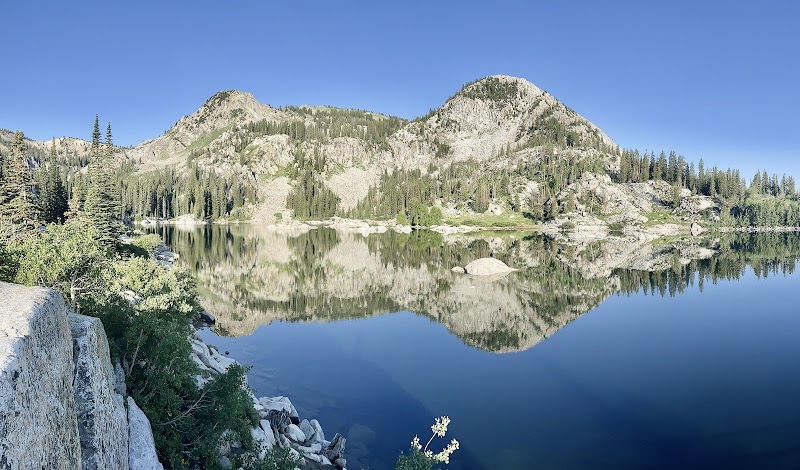
Park City's mountain trails change their personality with the seasons, daring hikers to understand the rhythm of weather and terrain before lacing up. The best time to hike is when conditions lean toward clarity and safety, generally between late spring and early fall. Snowmelt thickens spring trails with mud, while summer opens high ridges that deliver striking views of forest-clad slopes and granite faces. Autumn rings in crisp air, turning aspens golden and challenging your pace with cooler temps and early storms.
Considerations begin at elevation: Park City's surrounding peaks rise mostly between 7,000 and 9,500 feet. Hikes here tend to range from moderate (4-6 miles round trip) with elevation gains around 1,000-2,000 feet, demanding steady stamina but rewarding you with open meadows, whispering pine groves, and panoramic overlooks that feel fiercely alive. Trails like the Armstrong Trail or Mid Mountain Trail provide a blend of moderate climbs and sweeping ridge walks, crossing terrain that shifts from loose scree to packed dirt paths.
Weather here doesn’t just accompany you—it sets the terms. Afternoon thunderstorms are a near daily fixture in summer months, turning dry, sun-baked trails into slick descents. Start early to avoid the sky’s sudden shifts. Hydration is non-negotiable; the mountain air drinks it up before you even feel thirsty. Water sources can be scarce off the beaten path, so carrying 2-3 liters per person is wise.
Choose footwear that grips a range of surfaces—rocky ledges, muddy slopes, and dust-dry switchbacks. Layer your clothing; mornings are cool as the mountains exhale overnight chill, but midday can turn warm enough to prompt shedding outerwear. When the wind picks up, it’s not just a breeze—it’s the mountain warning you to be prepared or turn back.
Timing your visit means understanding the battle between season and terrain. Spring trails resist your boots, melting patches daring you to cross without slipping; summer invites endurance, with full sun and occasional storms testing your resolve; fall paints the landscape but hastens shorter days and chilly air that demands planning; winter cloaks the mountains in snow, transforming paths into cold, silent challenges for the prepared.
Respecting this, your hike becomes a conversation with the landscape—a give-and-take where weather commands caution and preparation, while the vistas reward persistence. Whether you’re pacing under the bright sun or feeling the rush of mountain winds, Park City’s trails offer encounters with nature fiercely itself, unforgettable yet grounded in clear, practical readiness.
Nearby Trips
All Adventures
Boat Charters
Water Activities
Adventures near Park City
Discover the unique and memorable adventures that make Park City special.
Frequently Asked Questions
What is the best time of day for hiking near Park City to avoid weather hazards?
Early morning hikes are safest, typically starting between 6-8 a.m., to avoid afternoon thunderstorms common in summer. This timing also offers calmer winds and cooler temperatures on exposed trails.
Are there any hidden viewpoints worth seeking on these hikes?
Yes, the Armstrong Trail features several lesser-known overlooks above Deer Valley that offer quiet panoramas of the Uinta Mountains and the lower valleys, providing perfect spots for peaceful breaks away from busier trail sections.
Which local wildlife should hikers be aware of around Park City trails?
Expect to encounter mule deer and, less frequently, elk. Raptors like red-tailed hawks soar overhead, and marmots chatter from rocky outcrops. Keep distance from all wildlife and store food securely.
How should hikers prepare for seasonal trail variations near Park City?
Prepare for muddy conditions in spring with waterproof boots, carry layers through fall for temperature swings, and be ready for sudden weather changes year-round. Track local trail reports to anticipate snow or closures.
What historical or cultural highlights can I learn about on these mountain hikes?
Some trails cross old mining roads and ghost town remnants, reminding visitors of Park City's silver mining past. Informational plaques at trailheads detail local mining history and its role in shaping the town.
Are there particular environmental concerns hikers should respect here?
Yes, the alpine and subalpine ecosystems are sensitive. Stick to established trails to protect fragile vegetation, avoid disturbing wildlife, and carry out all trash. Waterways feed key watersheds that communities rely on.
Recommended Gear
Sturdy Hiking Boots
Reliable traction and ankle support are crucial for Park City’s mixed terrain, from loose scree to packed dirt trails.
Layered Clothing System
Flexible layering allows quick adjustment for temperature swings and wind exposure throughout the hike.
Water Reservoir or Bottles
Hydration needs spike at altitude and in dry mountain air, especially during the warm season.
Compact Rain Layer or Windbreaker
Afternoon storms and windy ridge conditions make protection from moisture and wind indispensable.
Local Insights
Hidden Gems
- "Deer Valley’s secluded ridge viewpoints with sweeping mountain water views"
- "Quiet forest groves on the Lost Prospector Trail with minimal foot traffic"
- "Ancient aspen clusters visible in fall, less popular than the main Park City trails"
Wildlife
- "Mule deer browsing in morning hours"
- "Red-tailed hawks circling thermals"
- "Marmots whistling near talus slopes"
History
"Many trails in Park City follow paths originally forged by 19th-century miners. Ghost town remnants and mining artifacts occasionally hint at the rugged pioneer spirit that once defined the region."