
Discover how to maximize comfort while exploring the gentle yet dynamic small streams near Park City, Utah. This guide balances practical tips with vivid descriptions, helping hikers of all levels prepare effectively and enjoy every step along these vibrant water-lined trails.
Choose Trail Shoes with Traction and Drainage
Opt for trail shoes that grip damp, rocky surfaces and dry quickly to keep footing secure and feet comfortable near slippery creek banks.
Plan for Cooler Morning or Evening Starts
Temperatures drop near streams, so hike during cooler parts of the day to avoid midday heat and enjoy tranquil water conditions.
Bring a Water Filter for Stream Water
Carry a lightweight filter or purification tablets to safely drink from streams, supplementing carried water without added weight.
Check Seasonal Hydrology Updates
Stream levels can rise quickly in spring due to snowmelt; research current conditions to avoid unexpectedly high or fast-moving water.
Maximizing Comfort in Utah's Small Streams Near Park City

Small and Remote Streams
Starting at $600 • 8 Hours • Ages 14+ • Up to 4 People • Call to Book!
Experience the peace and solitude of Utah’s hidden streams with a private fishing trip near Heber City. Perfect for those looking to escape the crowds and connect with nature, this exclusive adventure offers pristine waters, expert guidance, and abundant wildlife. Keep reading to discover what makes this trip truly special.
Utah’s small streams around Park City offer a rewarding respite for hikers seeking both serenity and manageable adventure. These watercourses don’t roar with grand force but rather invite you in with gentle murmurs and cool, clear flows that dare you to step closer and engage. By honing in on comfort—footwear, hydration, timing, and terrain—you transform a casual wander into a confident exploration.
Start with your choice of trail. Many of these small streams lie within 3 to 7-mile loop hikes, with elevation gains ranging from 500 to 1,200 feet. Terrain often alternates between soft forest floors, rocky creek banks, and occasional patches of mud where the water nudges the earth. Trails like McPolin Creek Trail or the less-busy Bowman Fork Creek Trail bring you alongside streams that persistently push forward, inviting steady movement.
Footwear is your foundation: trail shoes with dependable grip and drainage are non-negotiable. The creek beds might challenge your footing with slippery algae or scattered stones curving beneath the cold water’s surface. Plan your hike for mornings or late afternoons when temperatures balance comfort with manageable sun exposure. Streams can swell quickly in spring due to snowmelt—check local conditions before setting out.
Hydration carries a double role here. Water sources are abundant for splashes and cooling but treat any natural water with filtration if you plan to supplement your drinking supply. Carry a lightweight water filter or chemical tablets to stay safe while staying refreshed.
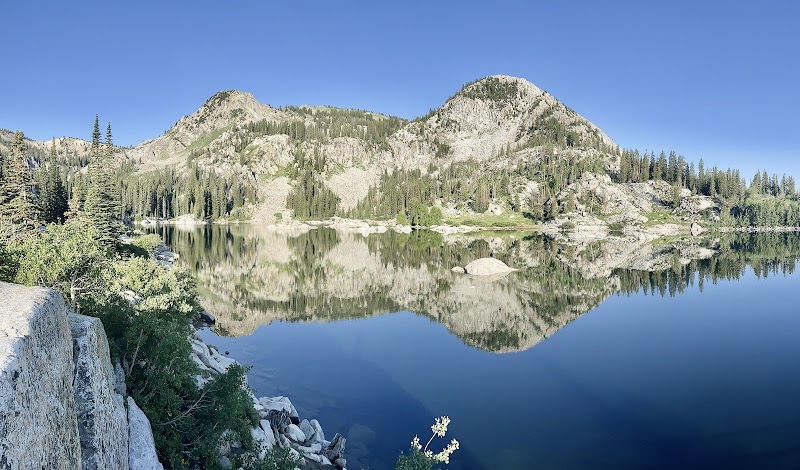
The landscape oscillates between tight groves of fir and aspen, and open meadows where the stream’s silver thread reflects the sky. Listen for the stream’s whispered challenges as it slips over stones or rushes beneath fallen logs. Its presence shapes the trail’s rhythm and your pace. This is not a walk around a tame pond, but a measured cadence of footfalls respecting a force fiercely itself.
If you’re packing light, include quick-dry socks and a moisture-wicking base layer. Layering remains key—mountain air can shift swiftly in temperature. Spring and summer bring bursts of wildflowers along the banks; in fall, the maples and cottonwoods flare bright, contrasting the steady green of pine needles.
Set realistic expectations: these hikes offer moderate difficulties, suitable for casual explorers wanting time near water without pushing physical limits excessively. Yet, the streams' challenge—slippery rocks and sudden soggy patches—remind you that comfort requires respect for terrain.
Maximizing your comfort means seeing the streams not as merely scenery but as active players: the currents that coax your steps, the banks that cradle your rest. Prepare wisely, stay alert, and you’ll leave with a sense of ease and accomplishment from an engaging encounter with Utah’s quieter waters.
Nearby Trips
All Adventures
Boat Charters
Water Activities
Adventures near Park City
Discover the unique and memorable adventures that make Park City special.
Frequently Asked Questions
Are stream crossings in this area technically difficult?
Generally, crossings on these small streams are manageable with basic balance and caution. Water depths rarely exceed ankle to mid-calf height, but slippery rocks require stable footwear and deliberate footing.
Can I drink directly from the streams?
It is not recommended to drink untreated stream water despite its clarity. Using a portable water filter or purification tablets ensures safe hydration without risking waterborne illness.
What are some less crowded viewpoints along these streams?
Westwood Area near McPolin Creek offers quieter side trails where brief open clearings reveal sweeping views of the water winding through mixed forests, usually bypassed by most hikers.
What wildlife might I encounter along these streams?
Keep an eye out for mule deer, river otters, and a variety of songbirds such as kingfishers that rely on these riparian environments. Early morning sightings are most rewarding.
How do seasonal changes affect hiking conditions?
Spring snowmelt increases stream flow and muddiness, summer may dry some banks but increases sun exposure, fall brings colorful foliage and cooler temps, and winter often sees icy patches requiring additional gear.
Is swimming or wading safe in these streams?
Swimming is generally not advised due to cold water temperatures year-round and shallow depths. Wading is common but should be done carefully to avoid slipping or disrupting fragile aquatic habitats.
Recommended Gear
Trail shoes with drainage
Provides traction on wet rocks and dries quickly to avoid discomfort and blisters.
Lightweight water filter
Allows safe hydration from streams, reducing the need to carry excess water.
Moisture-wicking socks
Keeps feet dry during stream crossings and prevents chafing.
Layered clothing
Adjusts to varying temperatures and wind near water, balancing warmth and breathability.
Local Insights
Hidden Gems
- "Bowman Fork Creek’s small waterfall off the main loop trail"
- "Quiet side paths near McPolin Creek with natural stone benches"
- "Spring wildflower patches along lower stream banks"
Wildlife
- "River otter"
- "Mule deer"
- "Kingfishers"
- "Cutthroat trout"
History
"These streams historically supplied early miners and settlers with fresh water and supported local indigenous groups. Remnants of old irrigation ditches can still be found near some trailheads."