Park City’s mountain trails offer a rugged yet accessible hike experience just beyond a vibrant resort town. From forested ascents to expansive vistas, knowing the right gear can transform your hike into a confident, comfortable adventure.
Start Early to Avoid Afternoon Storms
Mountain weather changes quickly; morning hikes reduce risk of sudden thunderstorms common in summer afternoons.
Pack Layered Clothing
Temperatures shift rapidly at elevation—prepare to add or remove layers, including waterproof gear for unexpected rain or wind.
Stay Hydrated With Electrolytes
Carry enough water and consider electrolyte supplements to sustain energy and prevent cramping on climbs.
Use Trekking Poles on Steep Trails
Poles provide stability on uneven, rocky terrain and reduce strain on knees during descents.
Essential Gear for Comfortable Mountain Hiking in Park City

Hiking
Over 450 miles of trails and great for all ages! | 2 Hours
Join Mountain Vista Touring for a private guided hike through Utah's stunning Park City mountains. Perfectly paced for your skill level, these 2-hour treks provide personalized insight and mountain scenery. Discover why this guided experience is a favorite for outdoor lovers traveling in Utah.
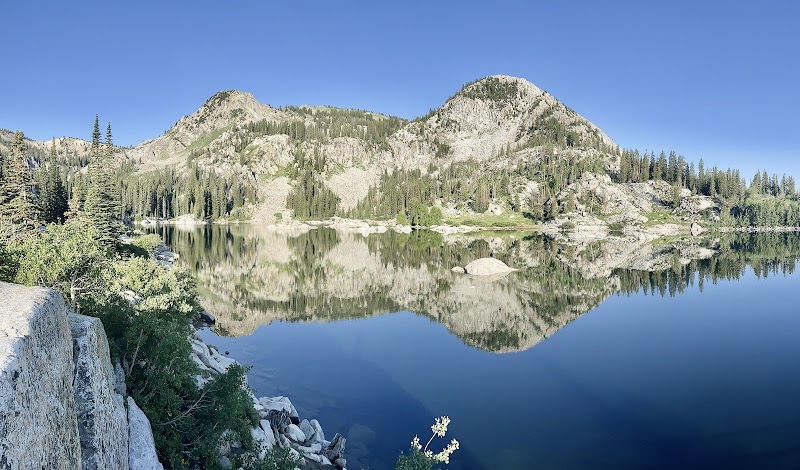
Park City's mountain trails rise sharply against a backdrop of towering pines and rugged granite, inviting hikers into a landscape that is fiercely alive. Whether you’re tackling the 3.5-mile round-trip to Silver Lake or diving into the steeper 5.4-mile Mid Mountain Trail, gear is your first line of defense against the mountain’s shifting moods.
Expect elevation gains between 800 to 1,200 feet on most popular treks, where forested paths whisper underfoot and panoramic views push beyond foothills to distant peaks. The terrain varies — dirt trails harden in dry spells or soften under early morning dew, while exposed ridges test your stamina and sun protection in summer’s heat.
Start with footwear: trail shoes or lightweight hiking boots offering ankle support and firm grip are essential. Park City’s rocky stretches and occasional slick roots demand soles that dare to hold. Layered clothing suits the mountain’s quick moods — cool morning chills can shift into midday warmth without warning. Synthetic, moisture-wicking fabrics keep you dry and comfortable, while a light waterproof jacket guards against unexpected showers and wind.
Hydration means more than water. Plan for 2 to 3 liters per day and consider an electrolyte mix to counteract sweat on steeper climbs. A hydration pack lets you drink without breaking pace, positioning you in sync with the trail’s rhythm.
Navigation tools and a fully charged phone are non-negotiable. Trails occasionally split where choices are yours to make; know your route before setting off. Trekking poles reduce strain on knees during steep descents, and a compact first aid kit prepares you for minor scrapes and twists.
Timing is key. Begin early to beat afternoon thunderstorms common in summer, and keep an eye on weather forecasts year-round. The mountain tests respect, and your gear must be ready for its shifts.
With essentials in hand and respect for the trail’s demands, the mountain opens up not as a beast to conquer but a partner in challenge. You’ll feel the wind’s stubborn push, the river’s sly dare, and the forest’s quiet vigilance. Each step up Park City’s peaks is a conversation between you and the wild — practical, exhilarating, and deeply rewarding.
Nearby Trips
All Adventures
Boat Charters
Water Activities
Adventures near Park City
Discover the unique and memorable adventures that make Park City special.
Frequently Asked Questions
What is the best time of day to start a hike in Park City?
Start your hike early in the morning, especially in summer, to avoid afternoon thunderstorms and enjoy cooler temperatures.
Are dogs allowed on Park City trails?
Yes, many trails permit dogs but require them to be on a leash. Be sure to check specific trail regulations and pack waste bags.
What wildlife might I encounter on Park City mountain trails?
Look out for mule deer, red foxes, and a variety of birds like the Steller's jay and mountain bluebird. Small mammals such as chipmunks are common along the paths.
Is altitude sickness a concern on Park City hikes?
At elevations between 6,800 and 8,000 feet, some hikers may experience mild symptoms. Stay hydrated, ascend gradually, and listen to your body.
Where can I find reliable trail maps in Park City?
Visit local outdoor shops, Park City’s visitor center, or download official trail maps from the Park City Mountain Resort website.
Can I mountain bike on these hiking trails?
Many trails in Park City are multi-use, but some are designated hiking-only. Check trail signs to ensure you’re on a bike-allowed path to avoid conflicts.
Recommended Gear
Trail Hiking Shoes or Lightweight Boots
Provide grip and ankle support for rocky, uneven terrain common in Park City’s mountain trails.
Hydration Pack or Water Bottles
Ensures easy access to 2-3 liters of water plus electrolytes to stay hydrated during warm, dry hikes.
Layered Clothing with Waterproof Jacket
Adjusts for temperature swings and sudden showers; moisture-wicking fabrics keep you comfortable.
Trekking Poles
Adds stability and reduces joint strain on steep ascents and descents.
Local Insights
Hidden Gems
- "McLeod Creek Falls viewpoint offers a less crowded escape with serene water sounds and nearby wildflower meadows."
- "The shaded corridor along Silver Creek reveals delicate wild orchids and early morning bird flocks."
Wildlife
- "Keep an eye out for the elusive pine marten—a small carnivore rarely seen but active in the area’s forests."
- "Watch for bald eagles near water sources during fall migration."
History
"Once a silver mining hub, Park City’s trails weave past remnants of historic cabins and mining equipment, revealing stories etched into the mountain sides."