Maximizing Comfort During Fly Fishing Lessons in Western Colorado
Fly fishing lessons in Western Colorado offer a blend of technical challenge and scenic immersion along lively mountain rivers. Learn practical tips to stay comfortable and focused, whether navigating terrain or reading elusive currents.
Invest in Quality Wading Boots
Choose boots with solid ankle support and non-slip soles to navigate rocky riverbeds and prevent slips during lessons.
Layer Lightweight Clothing
Temperature shifts quickly near mountain streams; breathable layers allow for easy adjustment to keep comfortable without overheating.
Hydrate Consistently
The dry, high-altitude climate dehydrates rapidly—carry a hydration pack and sip regularly before and during your lesson.
Schedule Lessons Mid-Morning
Avoid the coldest early hours and intense midday sun by aiming for late morning to early afternoon for ideal light and warmth.
Maximizing Comfort During Fly Fishing Lessons in Western Colorado

The Hook & Learn
All Ages! • 1-6 Hours • Up to 4 People
Discover personalized fly fishing casting lessons at Kindred Anglers LLC in Dacono, Colorado. Perfect for all skill levels, these sessions connect you with nature and masterful instruction amid scenic waterways.
Fly fishing in Western Colorado offers an engaging blend of technical skill, serene landscapes, and a direct connection to some of the region's most lively waters. To fully embrace your fly fishing lessons here, preparing for comfort is key — the rivers are eager, the currents swift, and the environment demands respect.
Start with the terrain: locations like the Gunnison River near Paonia or the Crystal River by Redstone typically feature moderate hikes ranging from 1 to 3 miles along well-maintained forest paths and rocky banks. Elevation gains usually hover between 400 to 800 feet, enough to energize but not exhaust. The ground will shift from soft forest soil to uneven river rock, so sturdy, broken-in wading boots with proper ankle support become more than a suggestion.
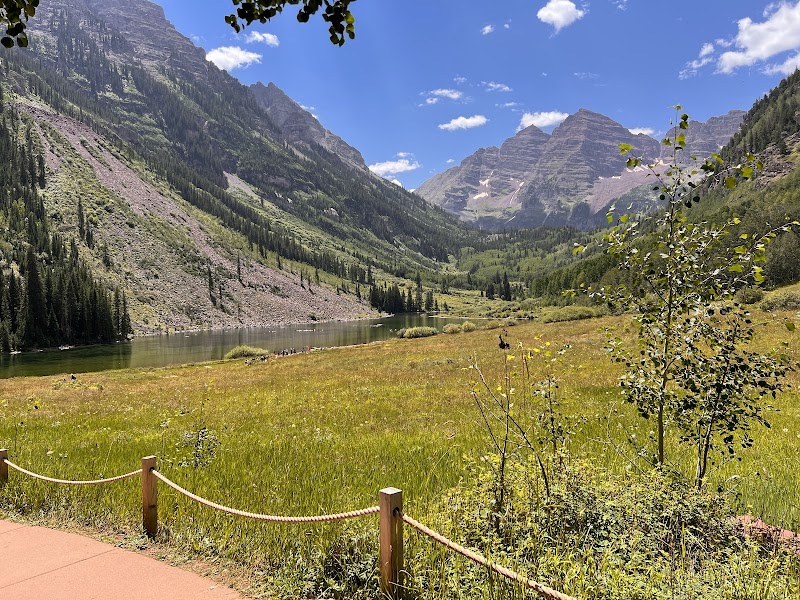
The air holds the crisp chill of mountain runoff, while sunlight breaks through spruce and aspen, flickering on water surfaces that dare you closer. Expect intermittent breezes that can shift casting lines as they please — they’re nature’s way of challenging your skill and attention.
Timing your lesson mid-morning to early afternoon allows for stable light conditions and warmer temperatures without the midday glare. Hydration can’t be overlooked here — the high desert air steals moisture faster than you feel. Bringing a hydration pack combined with light, breathable layers that can accommodate sudden cool drops keeps your body steady and focused.
During lessons, instructors emphasize reading currents and spotting fish—a dynamic duel where the river pushes forward and the angler learns its language. The lessons will test your patience and adaptability, demanding frequent adjustments in stance, line management, and casting techniques. Comfort supports this learning curve; relaxed muscles and dry gear prevent frustration and fatigue.
Protective gear extends beyond waders and boots: polarized sunglasses cut glare and reveal fish silhouettes, while wide-brimmed hats shield from intense high-elevation sun.
Before heading out, double-check your lesson location and trailhead conditions. Some spots require short vehicle approaches on gravel roads, so a reliable vehicle and awareness of localized weather changes can keep your day smooth.
Finally, after a session on these waters, short hikes to nearby overlooks or quiet river bends reward with sweeping views and the chance to observe local wildlife, from darting trout to the occasional curious deer stepping softly into the clearing. These moments remind you why preparedness transforms an ordinary lesson into a deeper, more comfortable adventure with Western Colorado’s fiercely alive rivers.
Nearby Trips
All Adventures
Boat Charters
Water Activities
Adventures near Paonia
Discover the unique and memorable adventures that make Paonia special.
Frequently Asked Questions
What should I expect in terms of trail difficulty when attending fly fishing lessons?
Most lesson sites have access trails between 1 to 3 miles with moderate elevation gain (400-800 feet). The terrain includes forest floor, rocky riverbanks, and occasional uneven footing, so moderate fitness and good traction footwear are recommended.
Are there any specific wildlife I should look out for during my lessons?
Yes, it’s common to see trout actively feeding, kingfishers darting along the water, and sometimes deer or elk grazing near quieter river sections. Respect wildlife by maintaining distance and minimizing noise.
How do I protect myself from the sun at these elevations?
At high elevations, UV exposure intensifies. Use broad-brimmed hats, apply high-SPF sunscreen regularly, and wear polarized sunglasses to protect your eyes from glare and UV rays.
What gear is most important for comfort during fly fishing lessons?
Quality wading boots, layered breathable clothing, and hydration gear top the list. These items help maximize mobility, comfort, and safety on varied terrain and river conditions.
Can beginners handle the physical demands of these lessons?
Absolutely. Instructors tailor lessons to all skill levels. Moderate physical activity is required, including light hiking and standing in water, but pacing is adjustable according to your comfort.
Is it better to take lessons in the morning or afternoon?
Mid-morning to early afternoon is generally best. It offers warmer temperatures and stable lighting, improving visibility and comfort compared to early mornings or late evenings.
Recommended Gear
Wading Boots
Protects feet on rocky, slippery riverbeds and provides ankle support
Polarized Sunglasses
Reduces water glare and improves visibility of underwater fish
Hydration Pack
Keeps you hydrated through dry air and physical activity
Lightweight, Breathable Layers
Helps regulate body temperature amid shifting mountain weather
Local Insights
Hidden Gems
- "The secluded bend on the North Fork of the Gunnison River offers quiet casting spots rarely crowded."
- "East Creek Trailhead features a small waterfall and less frequented access to prime fishing stretches."
Wildlife
- "Brown and rainbow trout thrive here, alongside river otters and the occasional osprey fishing overhead."
History
"Western Colorado’s rivers have long been vital to the Ute tribes and early settlers, shaping local culture with stories tied to water and survival."