
Bryce Canyon’s hoodoos offer photographers a striking mix of dramatic formations and unique light conditions, accessible via trails suitable for most hikers. This guide helps you navigate the terrain safely while capturing the canyon’s vivid character.
Choose Footwear with Grip and Support
Trail surfaces vary from compact dirt to loose sandstone; wear sturdy hiking shoes with ankle support to prevent slips and injuries.
Carry Ample Water
With few water sources on the trail and dry air, bring at least 2 liters per person to stay hydrated throughout your hike.
Time Your Hike for Light and Crowd Control
Early mornings and late afternoons yield the best natural light and fewer hikers on the trails, making for safer navigation and better photos.
Stick to Marked Trails
Venturing off-trail risks personal safety and damages delicate soil and rock formations; respect all signage and trail boundaries.
Mastering Safe Navigation Through Bryce Canyon’s Hoodoos for Photographers

2 Day Bryce Canyon & Hot Springs
Private Tour • 2 Days • Up to 6 People
Discover the rugged beauty of Bryce Canyon on a luxurious two-day adventure from Moab, complete with stunning vistas, cultural activities, and soothing hot springs. Read on to learn why this trip is a can't-miss experience in southern Utah.
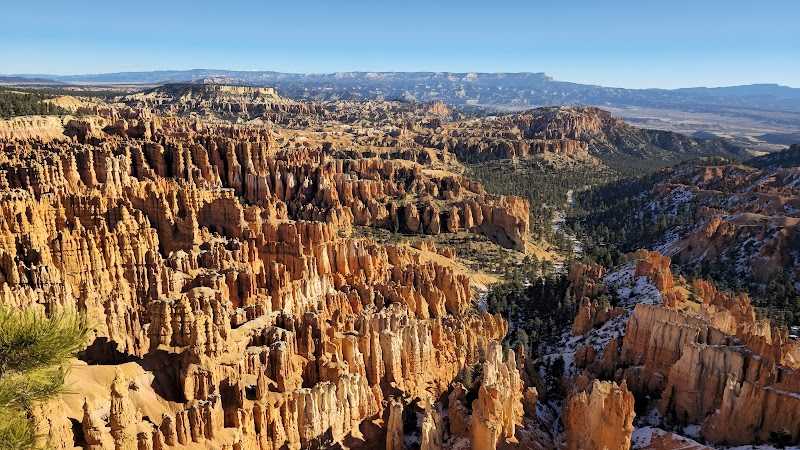
Bryce Canyon’s hoodoos rise like sculpted pillars from the earth, daring you to explore their labyrinthine forms. For photographers, this landscape offers unparalleled opportunities—not just for capturing dramatic light and shadow, but for engaging intimately with a terrain that demands respect and preparation.
The primary vantage points in Bryce are accessible via moderate hikes; for example, the Navajo Loop Trail spans approximately 1.3 miles (2.1 km) with a 600-foot elevation change, winding through Bryce Amphitheater. This trail dips into the canyon, placing you amid the towering hoodoos, while the Queen’s Garden Trail offers a gentler 1.8-mile link without intense descents.
The terrain is a mixture of compact dirt paths and loose sandstone, which can shift underfoot. Shoes with solid grip and ankle support are non-negotiable. While Bryce feels open, the hoodoos crowd the space like sentinels—your footing must be deliberate. Watch for narrow ledges and steep drop-offs; here, the canyon's personality reveals a fierce, exacting nature.
Hydration is paramount. The dry air drinks moisture quickly, and water stations are sparse once you're on the trails. Carry at least two liters per person, and consider a hydration pack for ease. Early morning and late afternoon are the ideal photography windows; dawn’s soft glow turns rock formations golden, and sunset often paints the spires in fiery hues that shift in minutes.
Weather can flip rapidly—from sun to sudden storms—and Bryce’s high elevation (over 8,000 feet at some points) means thinner air and cooler nights even in summer. Layer up. On busy days, trail congestion near popular drop-offs can diminish your shooting space. Patience and timing—such as weekday visits or off-peak hours—can secure quiet moments.
Respect trail boundaries. Straying off marked paths risks erosion and undermines the fragile ecosystem. Hikers and photographers alike should leave no trace: pack out waste and minimize flash usage that disturbs wildlife. Local mule deer can appear early or late in the day and offer natural subjects—but maintain a safe distance.
Success here blends anticipation with caution. Bryce is not a backdrop to conquer; it’s a place alive, shifting under your steps and demanding steady attention. Your camera may capture the scene, but your senses will measure it. Navigate with humility, prepare thoroughly, and the hoodoos will reveal their wonder in return.
Nearby Trips
All Adventures
Boat Charters
Water Activities
Adventures near Panguitch
Discover the unique and memorable adventures that make Panguitch special.
Frequently Asked Questions
What is the safest time of day to hike around the hoodoos for photographers?
Early mornings and late afternoons are ideal, providing soft, directional light for photography and cooler temperatures that reduce slip risks from dry dust or wet surfaces.
Are off-trail explorations allowed for photography?
No. Staying on marked trails is crucial to preserve fragile soil and avoid dangerous drop-offs. Venturing off-path risks injury and can cause permanent damage to the ecosystem.
What wildlife might I encounter on these trails?
Look for mule deer, lizards, and various bird species like Steller’s jays and ravens. Wildlife tends to be most active early or late in the day, so use caution to observe without disturbing them.
How steep or technical are the trails near the hoodoos?
Most trails are moderate with some steep sections, requiring steady footing but no technical climbing skills. Watch your step on loose rock and narrow ledges.
Is it necessary to bring specialized photography equipment to capture the hoodoos effectively?
While a DSLR or mirrorless camera with a wide-angle lens works best, a good smartphone with a tripod can also capture stunning images if used carefully in low light.
Are guided photography tours available in Bryce Canyon?
Yes, several local outfitters offer guided hikes focusing on photography, providing insider knowledge on best times, spots, and safety tips.
Recommended Gear
Sturdy Hiking Shoes
Provides grip and ankle support on uneven, shifting surfaces.
Hydration Pack or Water Bottles
Ensures consistent hydration in dry air conditions with limited water access.
Layered Clothing
Adjusts for temperature swings, especially from early morning chill to daytime warmth.
Camera with Protective Case
Protects equipment from dust, sand, and occasional rain while enabling quick access to capture moments.
Local Insights
Hidden Gems
- "Yovimpa Point offers a quieter, less crowded view of distant hoodoos."
- "Fairyland Loop Trail reveals less-traveled spires with expansive panoramas."
Wildlife
- "Watch mule deer at dawn near the forest edge."
- "Look for colorful Steller’s jays darting among trees."
History
"Bryce Canyon holds significance for the Paiute tribes, who saw the hoodoos as 'Legend People' turned to stone, a story woven into the cultural fabric of the park."