Maximizing Comfort on Reef and Wreck Fishing in Panama City, FL
Reef and wreck fishing off Panama City, FL, offers a dynamic blend of excitement and challenge on the Gulf of Mexico. This guide equips anglers with practical tips and thoughtful preparation to make the most of offshore fishing, focusing on comfort, safety, and maximizing every bite.
Start Before Sunrise
Plan early departures to catch calmer seas and more active fish, reducing boat movement and increasing your comfort.
Wear Non-Slip, Water-Ready Footwear
Choose shoes or sandals designed for wet, slippery boat decks to maintain balance and avoid injury during rough waters.
Stay Hydrated with Electrolytes
Carry plenty of water with electrolyte replacements to prevent dehydration under the hot Florida sun and salty spray.
Use Polarized Sunglasses
Polarized lenses reduce glare, help spot fish below the surface, and protect eyes from UV damage during long hours on the water.
Maximizing Comfort on Reef and Wreck Fishing in Panama City, FL
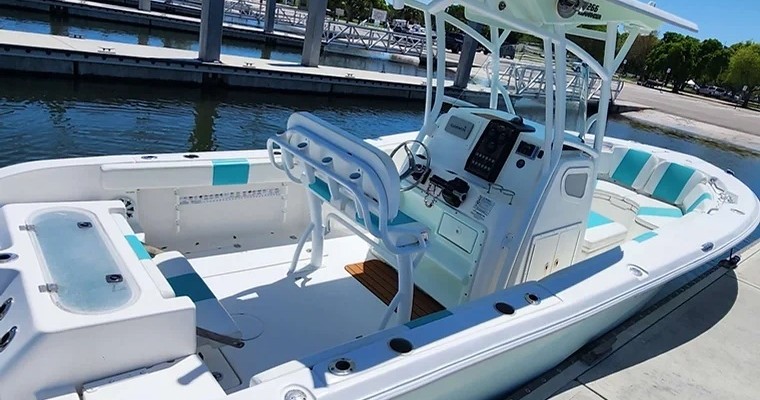
Reef and Wreck Fishing (snapper, Grouper, Mackerel, Cobia, Permit)
For all ages! • 4, 6, and 8 Hour Charters • Most Popular
Experience the thrill of reef and wreck fishing in Marathon, Florida, with a private guided trip tailored for all skill levels. Catch snapper, grouper, mackerel, and more while enjoying personalized service and stunning ocean views.
Fishing off the coast of Panama City invites you to a playground where underwater worlds push back with their own rhythms and rules. Reef and wreck fishing here is more than casting a line—it’s an engagement with ocean currents that dare you to stay steady, waves that hustle your boat side to side, and salt-kissed winds that never stop moving. Comfort isn’t just about feeling good; it’s about staying sharp and safe in conditions that are fiercely themselves.
Start early in the morning when the Gulf’s surface cools and calms, giving you smoother rides and steadier footing. The ride out to reefs and the sunken wrecks ranges between 15 to 40 miles offshore, generally a 30- to 90-minute boat journey depending on weather and point of departure. Seas can shift quickly, so stabilize your stance with non-slip footwear—think resilient boat shoes with firm grip or performance sandals designed for wet conditions.
Your gear setup directly influences comfort. Loaded tackle boxes often crowd limited space, so opt for compact, organized storage. Lightweight rods paired with corrosion-resistant reels will lessen fatigue during the long haul. Bring a waterproof bag—humidity and spray don’t negotiate. A good quality polarized fishing sunglasses will cut glare, sharpen underwater views, and protect tired eyes from relentless sunlight.
Hydration is critical. The Gulf sun burns slow but steady, dehydration creeping in behind the thrill. Bring at least two liters of water per person, and pack salty snacks that sustain energy without weighing you down. A broad-brimmed hat and sun-protective clothing are practical armors against sunstroke and windburn. The boat’s captain or guide often times reads the sea’s temperament with practiced eyes—respect their calls about timing and locations.
On the water, reef and wreck structures are alive, buzzing with grouper, snapper, amberjack, and maybe even a grouper heavy enough to make your arms ache. Resist rash movements; the boat pitches and rolls, and the ocean's force is always ready to remind you it leads here. Managing your balance while setting bait or leaning over the rail is a delicate dance. Use handrails when available and maintain low, steady postures.
The unpredictability of ocean weather conditions urges preparation beyond gear. Check forecasts thoroughly, monitor changing winds, or even consider tide charts that influence fish activity around reefs and wrecks. Knowing when bite windows open unlocks not only better catches but cleaner, more comfortable fishing.
Finally, respect for the marine environment enhances comfort at the deepest level. Reef and wreck sites are living ecosystems—handle your catch and space with care. This keeps the experience rewarding season after season. In Panama City, reef and wreck fishing extend an invitation to engage with nature on its own terms, combining practical gear and mindfulness with the pulse of the sea. Approach it informed, equipped, and ready for the ride.
Nearby Trips
All Adventures
Boat Charters
Water Activities
Adventures near Panama City
Discover the unique and memorable adventures that make Panama City special.
Frequently Asked Questions
What species are most common when reef and wreck fishing off Panama City?
Grouper, snapper, amberjack, and mackerel are frequent catches around reefs and wrecks. Seasonal migrations can add kingfish and cobia to your haul as well.
How rough can the water get during fishing trips here?
The Gulf’s mood swings with weather systems, sometimes cranky with waves over 3 feet. Mornings usually offer the calmest conditions but always check local marine forecasts beforehand.
Are there lesser-known wrecks or reef spots that offer good fishing but fewer crowds?
Yes, spots like the ’Shell Reef’ and the ‘St. Andrews Wreck’ tend to attract fewer boats yet hold strong populations of snappers and groupers, granting a quieter, more immersive experience.
What local wildlife should anglers be aware of besides fish?
Keep an eye out for dolphins threading the boats and occasional sea turtles visiting the reefs. Birds like ospreys and pelicans frequently hover overhead, signaling active feeding spots.
Is catch-and-release encouraged to protect these fishing environments?
Absolutely. Many reef and wreck inhabitants are slow-growing species vital to ecosystem health. Practicing catch-and-release helps sustain fish populations and balances sport with stewardship.
How important is it to understand tide and currents for fishing here?
Tides and currents influence fish feeding behavior dramatically around reefs and wrecks. Awareness can mean the difference between a slow day and active bites. Local tide tables and experienced captains are invaluable resources.
Recommended Gear
Non-Slip Boat Shoes
Keeps footing secure on wet decks during all seasons.
Polarized Sunglasses
Protects eyes and aids in spotting beneath surface glare.
Lightweight, Long-Sleeve UV Shirt
Provides sun protection while allowing airflow in hot weather.
Waterproof Dry Bag
Keeps essentials dry amidst spray and sudden rain.
Local Insights
Hidden Gems
- "St. Andrews State Park's tidal flats offer excellent pre or post-fishing shore exploration"
- "Shell Reef, located about 15 miles offshore, known for its vibrant marine life yet less frequented by commercial charters"
Wildlife
- "Bottlenose dolphins often follow fishing boats, curious but respectful"
- "Sea turtles can occasionally be seen resting near reef edges"
- "Spotted eagle rays glide elegantly along the wreck structures"
History
"Many wrecks off Panama City are remnants of mid-20th century vessels, each steeped in maritime history and now serving as artificial reefs essential to marine biodiversity."