Maximizing Safety When Riding Around Saint Andrews State Park in Panama City Beach
Saint Andrews State Park offers a thrilling yet practical biking experience with its blend of beach and forest trails near Panama City Beach. Learn how to safely navigate shifting terrain, wildlife, and tidal influences while soaking in stunning coastal views.
Choose the Right Bike
Use a hybrid or fat tire bike to handle both sandy trails and paved paths for better control and comfort.
Plan Around Tide Times
Check local tide charts to avoid narrow trails at high tide and take advantage of expanded beach access at low tide.
Stay Hydrated
Bring a hydration pack or water bottles—Florida’s sun and wind can dehydrate you quickly even in shaded areas.
Respect Wildlife Crossings
Slow down and yield to sandhill cranes and other animals that frequent trails, especially in early mornings and evenings.
Maximizing Safety When Riding Around Saint Andrews State Park in Panama City Beach

Cruiser Bike Rental
Ideal for Riders ~5ft and up • Park the car and cruise!
Discover Panama City Beach on two wheels with Bike PCB’s cruiser bike rentals. Ride scenic parks, lagoon trails, and vibrant neighborhoods for a fun-filled outdoor adventure—perfect for all ages and skill levels.
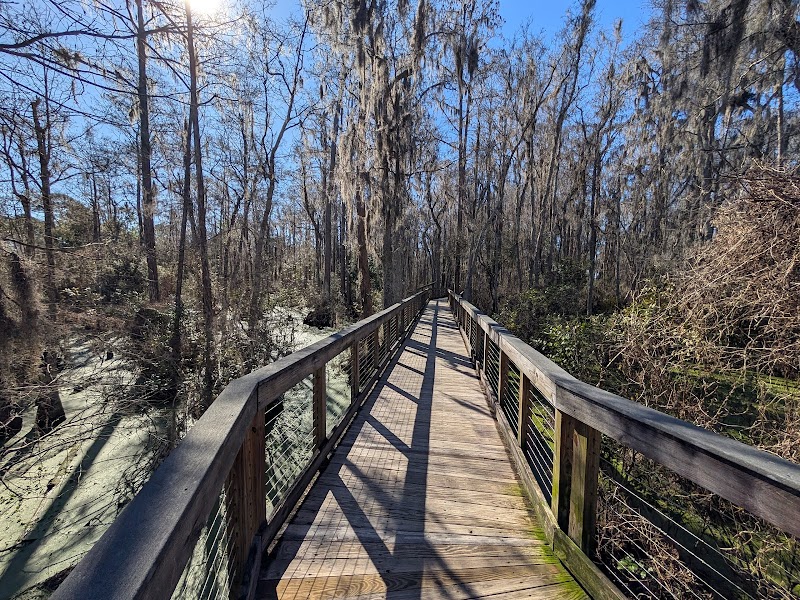
Saint Andrews State Park, just south of Panama City Beach, offers an invigorating playground for riders looking to experience Florida’s coastal wilderness on two wheels. The park’s mixed terrain—ranging from sandy beach trails and forested paths to paved bike lanes—presents challenges that demand both respect and readiness. Spanning roughly 22 miles of bike-friendly routes, riders navigate sandy soil that calls for steady control and occasional technical skill when transitioning from packed paths to looser beach edges.
The ride invites you to engage with the environment deeply: the pine forests whisper as wind pushes through, while sweeping Gulf views dare you to pause and take them in. Yet, the park is fiercely itself—the tidal currents have shaped the trail edges, and sudden coastal gusts can test your balance and concentration.
To ride safely here, preparation is key. Choose a bike suited to mixed terrain, ideally a hybrid or fat tire to handle shifting surfaces. Footwear should be sturdy with good grip; this isn’t the place for sandals or slick tennis shoes. Hydration is not optional—the warm Florida sun reaches into the pines, drying the air and whipping up thirst swiftly. Bring a hydration pack or bottles and refill at park stations.
Timing your ride around tides is a practical consideration rarely noted by casual visitors. Higher tides can narrow sandy paths, forcing riders closer to uneven terrain or surf spray, while low tides expose more beach to explore but potentially harder surfaces that can strain bike tires.
Stay alert for the park’s wildlife—sandhill cranes frequently cross trails, and occasional alligator sightings remind riders that this habitat is active and alive. Keep control and slow down near wildlife to avoid startling them or risking injury.
Map your route in advance; while signage is good, signal reception can falter in wooded areas. Have a plan for emergencies including contact numbers and a basic repair kit. As daylight wanes, visibility drops quickly among the pine thickets and coastal scrub, so start early.
Riding Saint Andrews State Park blends thrills with held respect for the environment’s shifting conditions, offering an adventure accessible to casual riders who come prepared and seasoned ones eager for varied terrain. Balance excitement with caution, and the park’s natural forces become partners in your journey rather than obstacles alone.
Nearby Trips
All Adventures
Boat Charters
Water Activities
Adventures near Panama City Beach
Discover the unique and memorable adventures that make Panama City Beach special.
Frequently Asked Questions
Are bikes allowed on all trails in Saint Andrews State Park?
Bikes are permitted on designated multi-use trails and paved sections, but not allowed on hiking-only paths or sensitive dune areas to protect the environment and ensure rider safety.
What wildlife might I encounter while riding?
Common sightings include sandhill cranes, raccoons, a variety of shorebirds, and occasionally alligators near freshwater ponds. Maintaining a cautious speed near these animals is important.
Is it safe to ride on the beach portion of the trail?
Yes, but beach riding requires attention to tidal schedules and shifting sand consistency, which affects bike traction. Early morning low tides typically provide firmer sand for safer riding.
Are there bike repair facilities or services within the park?
The park doesn’t offer bike repair services, so bringing a compact repair kit with tire levers, a pump, and patch kits is highly recommended.
What are the park’s hours and seasonal access rules?
Saint Andrews State Park is open daily from 8 a.m. to sunset year-round. Some trails may close temporarily due to weather or conservation needs; check the park’s official site before visiting.
Can I bring pets along for the ride?
Pets are allowed on bike trails if leashed, but sandy terrain and hot pavement can stress animals; bring water and plan shorter rides to keep them safe.
Recommended Gear
Hydration Pack
Keeps water easily accessible, critical for hydration under the hot Florida sun.
Helmet
Protects your head from injury—mandatory for safest riding regardless of season.
Hybrid or Fat Tire Bike
Designed for multiple surfaces, it improves stability on sand and pavement alike.
Sunglasses with UV Protection
Protects eyes from glare and wind, making it easier to spot trail hazards and wildlife.
Local Insights
Hidden Gems
- "The Observation Tower offers panoramic views rarely crowded by visitors, perfect for a quiet break."
- "Exploring the St. Andrews Bay Causeway Bike Trail connected to the park reveals less trafficked paths and wildlife watching spots."
Wildlife
- "Sandhill cranes, noted for their graceful profile, often roam the marsh edges early and late in the day."
- "The park’s coastal waters are frequented by bottlenose dolphins, sometimes visible from shore trails."
History
"The park was once a military training base during World War II. Remnants of bunkers and defensive structures pepper the landscape, visible if you know where to look."