Mastering Fatigue on Extended Fat Tire Bike Tours Near Panama City Beach, FL
Fat tire biking near Panama City Beach offers riders a chance to immerse themselves in varied terrain from sandy coastlines to dense forest trails. This guide highlights how to manage fatigue during these extended tours with practical tips on hydration, pacing, and gear that keep you moving strong throughout your adventure.
Hydrate Consistently
Maintain steady water intake and replenish electrolytes regularly to compensate for humid coastal conditions and sustained exertion.
Start Early
Begin rides at dawn or early morning to avoid the heat buildup and aggressive sun during midday hours.
Pace Yourself
Balance intensity and rest to conserve energy; take short breaks every 45-60 minutes especially in challenging sandy or rooty sections.
Wear Supportive Footwear
Choose bike shoes that provide grip and foot protection for trail walking and technical sections to reduce strain.
Mastering Fatigue on Extended Fat Tire Bike Tours Near Panama City Beach, FL

Panama City Beach - Bike with trailer
3-7 Day options
Discover Panama City Beach on fat tire bikes with a multi-day tour from Bike the Beach. Ride scenic coastal and woodland trails and experience the area’s natural beauty from a new perspective.
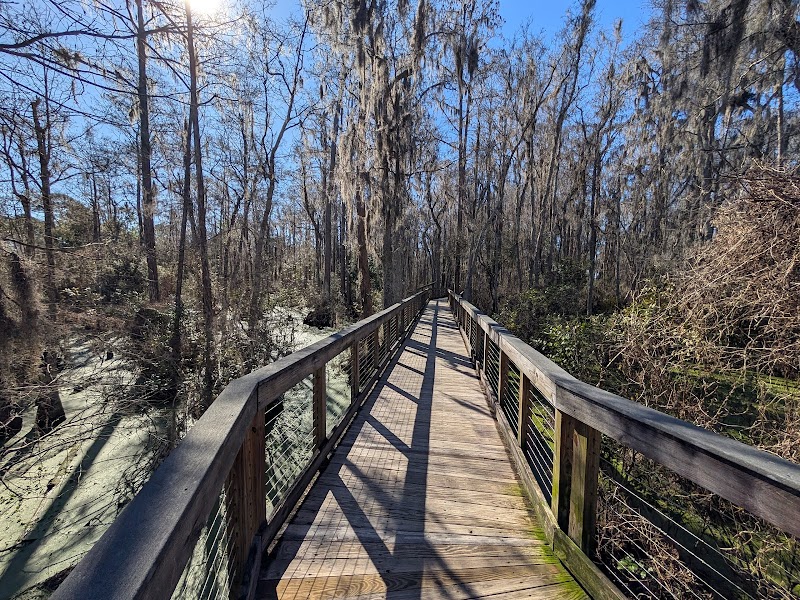
Navigating the soft sands and forested trails just beyond Panama City Beach, FL, fat tire bike tours offer a rugged invitation to explore landscapes both gentle and wild. These tours extend over varied terrain – from flat coastal paths that hug the shoreline to the occasional burst of elevation found within nearby state parks like St. Andrews or Deer Point Lake. Expect 15-30 miles per day with sandy sections that tug at your wheels and wooded tracks where roots and rocks dare you to maintain momentum.
Fatigue is a sure companion on these extended rides. The wide, low-pressure tires increase traction but require more energy to keep rolling, especially through loose sand and uneven patches. Your body feels each mile, each contour of the earth, and the humid gulf air pushes against every breath.
The key to managing this fatigue is preparation and pacing. Start early to take advantage of the cooler morning hours when the sun is still gentle and the trails awake quietly around you. Hydration is critical – the salty air and steady exertion will demand steady water intake, ideally with electrolytes. Plan frequent stops to stretch, refuel with light snacks, and assess your body’s signals before pushing forward.
Footwear matters just as much as your bike setup. Choose shoes with solid grip and support for occasional off-bike hiking over rocky or root-strewn sections. Post-ride recovery should include gentle stretching and using portable massage tools or foam rollers to ease muscle knots.
Technically, these trails are moderate with shifts in challenge. The terrain tests your balance and endurance, always reminding you that nature is a force capable of quiet persistence and sudden challenge. Respect these changes as you navigate the interplay of sand, pine needles, and occasional muddy patches.
Lastly, engage with the environment around you as if it’s an active participant. The gulf breeze teases your pace, the pines whisper warnings of upcoming turns, and local wildlife—like the occasional deer or sandhill crane—marks moments to pause and appreciate the rhythm of this fiercely alive place.
Managing fatigue is less about pushing to extremes and more about syncing with the landscape and your own limits. This practical respect will keep the adventure alive, energy balanced, and spirits high while exploring the unique fat tire biking routes near Panama City Beach.
Nearby Trips
All Adventures
Boat Charters
Water Activities
Adventures near Panama City Beach
Discover the unique and memorable adventures that make Panama City Beach special.
Frequently Asked Questions
How do I handle sandy sections that slow me down?
Shift your weight slightly back, keep steady momentum, and avoid sudden braking. It helps to maintain a lower gear and stay loose on the handlebars to let the tires find their natural grip.
Are there places to refill water along the trails?
Water refill points are scarce on extended routes, so carry at least two liters of water and plan stops near markers like park visitor centers or trailheads.
What wildlife might I encounter on these tours?
Expect to see white-tailed deer, sandhill cranes, and various songbirds. Early mornings or late afternoons are when wildlife is most active, so stay observant but respectful.
Can these trails get muddy after rain?
Yes, especially within forested sections. Some trail stretches become slippery or rutted, making lower tire pressure and good traction essential.
Is fat tire biking suitable for beginners here?
Beginners can enjoy flat coastal paths but should build stamina gradually to handle sandy and rooty terrain. Consider shorter rides and local guided tours to start.
What’s the best way to recover after a long fat tire tour?
Hydrate promptly, stretch major muscle groups like quads and calves, and use foam rollers or massage tools to ease tension. A cool shower helps reset body temperature.
Recommended Gear
Hydration Pack with Electrolytes
Keeps fluids and electrolytes handy during long rides, preventing dehydration and cramping.
Fat Tire Bike with Low-Pressure Tires
Designed for loose sand and uneven trails, enabling better traction and control.
Supportive Trail-Ready Footwear
Offers grip on footpaths and protection while carrying the bike or scrambling over obstacles.
Light Layered Clothing
Allows adjusting to temperature shifts between early morning chill and midday warmth.
Local Insights
Hidden Gems
- "Quiet overlooks at Deer Point Lake where water mirrors the sky"
- "Secret pine-shaded trail loops away from main coastal crowds"
Wildlife
- "white-tailed deer"
- "sandhill cranes"
- "gopher tortoise"
- "various migratory birds"
History
"The area’s trails trace close to historic logging routes and Native American footpaths, offering a glimpse of the past’s interaction with the land."