Preparing for a high-altitude hot air balloon ride near Death Valley in winter means more than packing a jacket. Discover practical cabin comfort strategies to keep you warm and ready for both chilly dawn flights and desert nights, so you can fully experience this unique adventure.
Layer Up for Height and Cold
Temperatures drop swiftly as you ascend in the balloon; multiple layers with moisture-wicking and insulating materials keep you protected from cold winds without overheating.
Prepare Your Cabin Heating
Ensure your winter cabin heating system is tested and reliable; wood stoves require dry fuel and ventilation, while electric heaters need a stable power source.
Keep Hydrated and Energized
Cold air at altitude accelerates dehydration; drink water before and after flights and pack high-energy snacks to maintain energy levels.
Secure Sturdy Footwear
Rugged desert terrain after balloon landings demands boots with grip and insulation to handle uneven, sometimes rocky ground in cold conditions.
Winter Cabin Comfort Tips for High-Altitude Hot Air Balloon Rides Near Death Valley

Sunset Private Flight
Book your private basket and pilot
Take a winter helicopter flight with Sunset Private Flight over Death Valley’s iconic canyons and salt flats, with a champagne toast on landing.
Winter in the high desert near Death Valley folds into crisp mornings and chilly nights, a challenge when you’re prepping for a high-altitude hot air balloon ride. The calm sunrise is the perfect backdrop as you lift off, but the altitude humbles even the hardiest adventurers with its sharp, cold bite. Back on the ground, your winter cabin serves as a vital refuge, strategically chosen and outfitted to keep comfort close at hand.
Start with insulation. Quality cabin insulation transforms the space by locking warmth in and cold out where the desert’s night air clings stubbornly to every surface. Thick thermal curtains block cold drafts around windows, while weather-stripping seals the small cracks where the frost sneaks in. Layering rugs on hardwood or tile floors reins in the chill that otherwise rises through your feet, grounding you in comfort after hours spent aloft.
Heating options need careful thought. Efficient wood stoves or propane heaters offer steady warmth but require vigilance with fuel storage and ventilation. Electric heaters provide reliable heat without fumes but depend on power availability—plan for outages or back-up options if your cabin is remote. Humidity control is key; the desert dryness can sap moisture and cause discomfort. A small humidifier or simple water basins near heat sources help keep the air balanced.
Clothing and bedding gear inside the cabin carry just as much weight in your comfort arsenal. Invest in high-quality, moisture-wicking base layers and fleece or wool mid-layers to lounge in. Down or synthetic comforters paired with flannel sheets create insulation pockets that resist the desert’s midnight chill. Keep slippers or insulated socks handy; feet cool faster than you realize.
For hot air balloon outings, preparation begins before dawn. Dress in layers you can adjust as temperatures shift rapidly when you rise. Pack insulated gloves, a warm hat, and sturdy boots with good traction for traversing uneven desert terrain after landing. Hydration and simple snacks keep your energy steady; the cold can disguise dehydration’s effects.
Lastly, think of your cabin not just as a shelter but a command center for your adventures. Equip it with reliable lighting, a weather radio or app alerts, and a charging station for devices. The desert’s fierce silence sometimes carries weather changes swiftly, so being connected pays off.
Embrace the rhythm of this high desert winter—respect the cold, meet it with preparation, and find warmth both in your cabin and the sky above Death Valley.
Nearby Trips
All Adventures
Boat Charters
Water Activities
Adventures near Pahrump
Discover the unique and memorable adventures that make Pahrump special.
Frequently Asked Questions
How cold does it get during winter hot air balloon rides near Death Valley?
Temperatures can drop below freezing at both ground level during early mornings and more so at flight altitudes, where it can feel 10-20 degrees colder due to wind chill and elevation.
Is it safe to use wood stoves in desert cabins?
Yes, but only with proper ventilation, dry seasoned wood, and regular maintenance to prevent creosote buildup or carbon monoxide buildup especially in tightly insulated cabins.
What should I pack for a high-altitude balloon ride in winter?
Pack multiple layers including insulated gloves, a warm hat, moisture-wicking base layers, sturdy boots, and bring water and snacks to stay hydrated and energized.
Are hot air balloon rides affected by winter desert weather?
Winter typically provides the most stable flying conditions with calm winds and clear skies, but sudden wind gusts or frost on landing sites can require caution.
Can I use electric heaters in remote cabins near Death Valley?
If the cabin has reliable power, yes; however, remote cabins sometimes lack electricity or may experience outages, so backup heating options are important.
What wildlife might I see near my desert cabin in winter?
You may encounter smaller mammals like jackrabbits and coyotes, birds adapted to harsher climates such as ravens, and if lucky, desert bighorn sheep roaming nearby hills.
Recommended Gear
Insulated Base Layers
Wicks moisture and provides the first defense against cold during flights and in the cabin.
Thermal Sleeping Bag or Comforter
Traps heat to keep cabin nights warm when temperatures plunge.
Portable Humidifier
Adds necessary moisture to dry desert air, improving respiratory comfort and skin hydration.
Sturdy Hiking Boots
Protects feet over rocky terrain to and from the landing sites, plus insulation from cold ground.
Local Insights
Hidden Gems
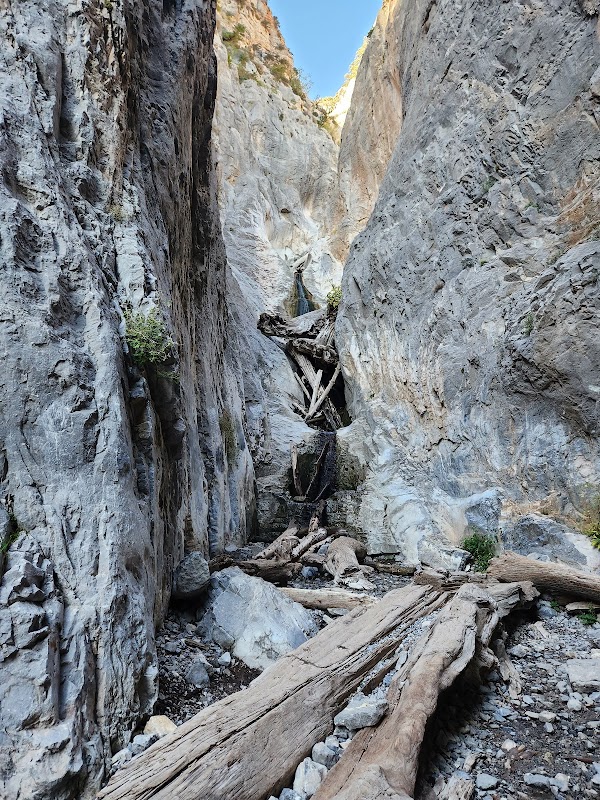
- "Mosaic Canyon’s polished marble walls and narrow passageways provide a dramatic hike away from the balloon route."
- "The mysterious sailing stones of Racetrack Playa appear frozen in motion against the dry lakebed."
Wildlife
- "Desert kit foxes, bighorn sheep, and a variety of raptors patrol the sky and rocky ridges, vigilant and at home in this harsh environment."
History
"Death Valley’s mining past echoes through abandoned ghost towns lingering near modern settlements. The cabin experience ties you to a lineage of explorers and miners adapting to the desert's extremes."