
Valley of Fire’s rugged red sandstone comes alive when bathed in the right light. Use precise timing strategies for sunrise and sunset to unlock the desert’s fiery brilliance, turning every hike and photograph into a vivid adventure you’ll remember long after the trail ends.
Arrive Early for Cooler Temperatures
Starting your hike within an hour of sunrise offers softer light and cooler conditions, improving both comfort and photographic opportunities.
Hydrate Generously
Carry at least 2 liters of water per person during spring through fall seasons to prevent dehydration on exposed, sun-soaked trails.
Wear Sturdy Footwear
Expect loose sandstone and rocky terrain; hiking boots with strong grip reduce slips and protect ankles on uneven surfaces.
Plan for Limited Shade
Shade is sparse along key viewpoints and trails—use hats, sunscreen, and sunglasses to shield yourself during midday hikes.
Mastering Light: Timing Strategies for Capturing Valley of Fire’s Best Glow

Explore the Majestic Valley of Fire: A Journey Through Time and Nature
All ages • 5 Hours • 1 to 12 People • Small Group Tour • Snacks Included
Discover the fiery red landscapes and ancient petroglyphs of Nevada’s Valley of Fire on a private tour with Vegas Tours & Rides. Perfect for those seeking natural beauty, history, and adventure in one trip.
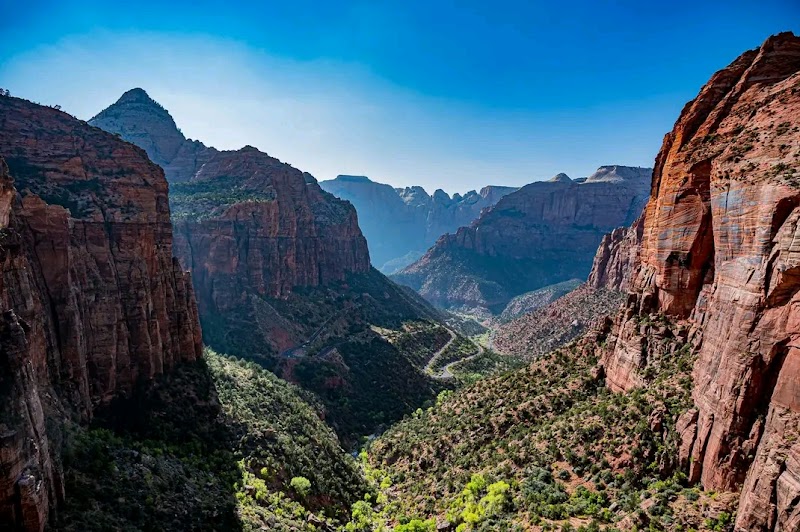
Valley of Fire State Park commands attention long before the sun settles on its jagged horizon. To capture the Desert's fiery veins in their most compelling light, understanding the timing of natural illumination is crucial. The park’s iconic red sandstone formations—shaped over millions of years—react dramatically to shifting sunlight, challenging adventurers to time their hikes and photos precisely.
Early morning is where adventure and practicality intersect cleanly. Arriving within an hour or two after sunrise offers cool temperatures and light that gently brushes the rock faces, revealing textures rather than washing them out. Trails like the Fire Wave (1.5 miles round trip, minimal elevation) gleam under this calmer light, as the sandstone seems to wake gradually, as if stretching in the dawn.
Midday, harsh sun can flatten colors and strain even seasoned photographers, and temperatures surge past 90°F in summer. However, this time can be ideal for exploring shaded Canyon areas such as White Domes, where rugged slot features play with shadow in compelling contrast. Hydration and sun protection are non-negotiable here, with rugged, rocky terrain gripping your boots firmly while the desert dares you forward.
Late afternoon into sunset is the crown jewel. This window unleashes Valley of Fire’s renowned fiery glow, as the sun dips low and bathes the formations in rich reds, oranges, and golds. The Rainbow Vista and Elephant Rock vantage points reward patient hikers (roughly 1-mile round trip, slight climbs) with sprawling panoramas framed like a live painting. This is when the desert’s raw energy feels most present, fiercely itself, commanding respect with every shifting ray.
Planning your visit requires attention to seasonal rhythms. Spring and fall usher in mild temperatures and clearer skies, optimal for both timing light and extending your hiking window. Summer visits demand early starts and brevity due to relentless heat. Winter mornings can be sharp but stunning, with frost sometimes etching the rock bases—adding a different layer to the light interplay.
Practical preparation underpins any successful outing. Footwear must grip uneven, often loose sandstone, and hydration packs should hold at least two liters per person in warmer months. Timing your arrival to coincide with sunrise or late afternoon light requires early navigation of park access, which opens at 8 a.m. Avoiding hallucination-inducing heat during midday, while pushing to secure the perfect shot or hike, is a balancing act the desert imposes with clear demands.
The desert isn’t just a backdrop but a shape-shifting participant. The light doesn’t merely fall on the rocks; it shifts, nudges, and sometimes conceals lines and forms. By tuning into these oscillations, you make the light your ally rather than a caprice. Valley of Fire challenges you to meet it on its terms—and rewards those who do with imagery and experience few other landscapes can offer.
Nearby Trips
All Adventures
Boat Charters
Water Activities
Adventures near Overton
Discover the unique and memorable adventures that make Overton special.
Frequently Asked Questions
What times are best for photography in Valley of Fire?
Sunrise and sunset provide the warm, angled light that highlights the valley's red sandstone formations. Early mornings soften shadows and enhance texture, while late afternoons saturate colors and offer dramatic silhouettes.
Are there any dangerous animals or plants to be aware of?
Rattlesnakes are active mostly in spring and fall, often hidden among rocks. Scorpions are nocturnal but worth awareness. Avoid contact with desert plants like cacti that have sharp spines.
Is Valley of Fire accessible year-round?
Yes, the park is open year-round but be mindful of extreme summer heat which limits safe hiking times. Winter can bring cold mornings but generally remains accessible.
Where can I find quieter trails or lesser-known viewpoints?
Try the Mouse’s Tank trail early in the day for shaded hiking and petroglyphs, or explore the Seven Sisters rock formations off the beaten path for solitude and unique angles.
How early should I arrive for sunrise lighting?
Arriving 30-45 minutes before official sunrise allows time to find a good vantage point and set up gear, catching the first light as it spreads across the formations.
Are drones allowed for photography?
Drone use is prohibited within park boundaries to protect wildlife and visitor experience, so stick to handheld or tripod photography.
Recommended Gear
Hiking boots with grip
Necessary for traction and ankle support on loose sandstone and rugged trail surfaces.
Hydration pack or water bottles
Keeps you well-hydrated, especially critical in the heat and arid conditions typical of the valley.
Wide-brim hat and sunglasses
Provides essential sun protection during exposed midday hikes and photography sessions.
Lightweight layers
Helps regulate temperature during chilly mornings and noticeable temperature shifts.
Local Insights
Hidden Gems
- "Seven Sisters rock formations—quiet and photogenic cluster of hoodoos"
- "Petroglyph Canyon near Mouse’s Tank Trail, lively with ancient Native American markings"
Wildlife
- "Chuckwallas sunning on rocks"
- "Desert bighorn sheep spotted on remote ridges"
- "Common ravens, skilled and curious desert residents"
History
"Valley of Fire is home to Native American petroglyphs dating back over 2,000 years, evidence of early human habitation tied closely to the land’s natural resources."