
Timing Wildlife and Wildflower Sightings in Ouray’s Mountain Terrain
Discover the best times to spot wildlife and wildflowers amid Ouray’s rugged mountain trails. This guide pairs vivid natural moments with practical tips to help you plan an adventure that syncs with the rhythms of the land.
Start Early or Late
Wildlife is most active during dawn and dusk, and the soft light enhances floral colors for better viewing and photos.
Bring Layered Clothing
Temperatures can swing dramatically, especially with elevation changes. Layers help you adapt to warming sun or sudden chills.
Hydrate Frequently
Mountain air is dry and hikes often involve significant elevation gain, so carry enough water to stay well hydrated throughout your trek.
Wear Sturdy Footwear
Rocky and uneven terrain calls for boots with good ankle support and traction to navigate safely and comfortably.
Timing Wildlife and Wildflower Sightings in Ouray’s Mountain Terrain

1/2 Day Hybrid Jeep Wrangler 4XE Private Tour (Up to 3 Adults 1 Child)
3.5+ Hours of Dust-Free, Eco-Friendly Adventure in Our Brand-New Hybrid Jeep Wrangler 4xe
Discover Colorado’s stunning San Juan Mountains on a private hybrid Jeep tour from Ouray. Relax in eco-friendly comfort while taking in mountain views and wildlife, tailored just for you.
Ouray’s rugged mountain scenery offers a dynamic stage for encounters with flora and fauna that shift with the seasons. To catch wildlife in motion or a vibrant floral burst, timing is everything. Early spring marks the thaw; rivers run wild and clear, daring you to follow their course. Aspen groves awaken with tender green, while mountain goats emerge from winter’s hold, picking their cautious way along steep cliffs.
Summer brings longer days and higher elevations, where wildflowers bloom fiercely between rocky crevices and meadows open wide, inviting butterflies and hummingbirds to the feast. Trails between 7,000 and 11,000 feet—like the Bear Creek Falls or Blue Lakes hike—offer routes of 4 to 6 miles with elevation gains around 1,000 to 2,200 feet that are accessible but demanding. Paths wind through dense evergreen stands, opening to panoramic views of craggy peaks that challenge and reward each step.
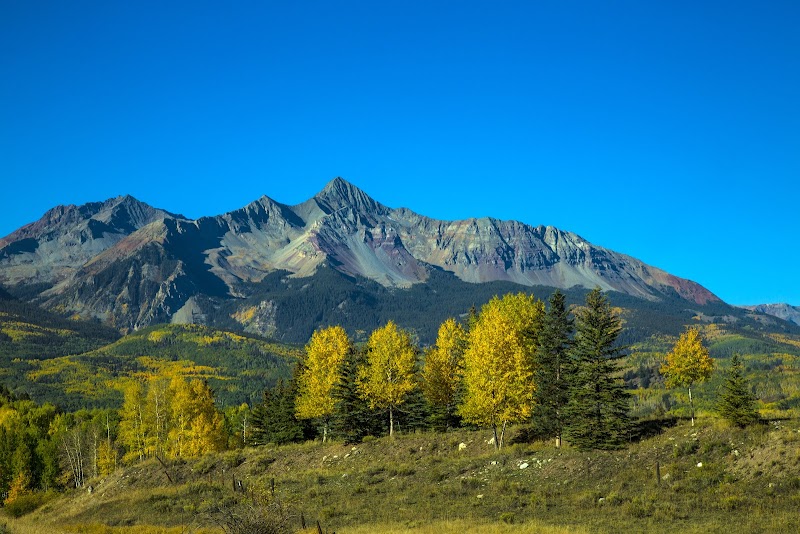
Fall shifts the palette to fiery golds and reds as aspen leaves ignite the landscape. Wildlife becomes more visible, preparing for winter’s grip. Elk herds gather in the high meadows, while marmots whistle beneath rocky outcrops. Cooler temperatures make hikes comfortable but remind you to layer up; mornings can bite with frost.
Winter’s grip transforms Ouray into a quieter kingdom of snow and ice. While many trails become technical—requiring crampons and snowshoes—animal tracks in the snow tell stories of resilient mountain creatures. The silence presses in, broken only by the drip of melting ice or the distant echo of avalanches.
Plan hikes around early morning or late afternoon to catch wildlife movement and softer light on blossoms and foliage. Footwear with solid traction and layered clothing is essential year-round, as mountain weather shifts abruptly. Carry water and snacks to fuel your approach, and know that each season offers both invitations and challenges. The mountains don’t simply wait; they test your resolve and attentiveness.
Ouray’s wild residents and hardy plants move on their own terms. Timing your visit to match their cycles not only heightens your appreciation but strengthens your connection to a landscape that is fiercely itself and always in motion.
Nearby Trips
All Adventures
Boat Charters
Water Activities
Adventures near Ouray
Discover the unique and memorable adventures that make Ouray special.
Frequently Asked Questions
When is the best time to see mountain goats in Ouray?
Late spring to early summer offers the best chance to see mountain goats as they descend from higher elevations after winter, especially near rocky cliff trails like those around Bear Creek Falls.
Which trail has the best wildflower displays?
Blue Lakes trail is renowned for its vibrant wildflower meadows from mid-June through July, with bursts of Indian Paintbrush, columbine, and penstemon dotting the high alpine landscape.
Are there any lesser-known viewpoints worth visiting?
The Crystal Lake overlook, a short spur off the main Blue Lakes trail, offers panoramic views with fewer crowds—perfect for wildlife spotting and dawn photography.
What wildlife should hikers be prepared to encounter?
Expect mule deer, elk, marmots, and numerous bird species such as Clark’s nutcracker and mountain bluebirds. Bears are present but generally avoid humans if noise is made.
What environmental considerations should hikers keep in mind?
Stay on trails to protect fragile alpine plants, pack out all waste, and avoid disturbing wildlife, especially during birthing and rutting seasons to maintain balance in these fiercely resilient ecosystems.
How quickly can weather change, and how should hikers prepare?
Mountain weather can shift rapidly—even in summer—bringing sudden thunderstorms or cold snaps. Carry waterproof gear and extra layers, and watch weather forecasts closely before heading out.
Recommended Gear
Waterproof Hiking Boots
Support and grip are crucial over varied terrain and occasional wet sections, especially in spring and fall.
Layered Clothing System
Allows quick adjustment for temperature swings common in mountain environments.
Hydration System or Bottles
To combat dry mountain air and sustained physical exertion.
Sun Protection (hat, sunscreen, sunglasses)
High-altitude sun can be intense, making skin and eye protection vital on exposed trails.
Local Insights
Hidden Gems
- "Crystal Lake overlook on the Blue Lakes trail"
- "Quiet side paths near Cascade Falls rarely seen by visitors"
Wildlife
- "Mountain goats navigating steep cliffs"
- "Elk herds gathering in fall meadows"
- "Marmots whistling near rocky scree"
History
"Ouray, known historically as the 'Switzerland of America,' was a mining hub with deep Ute tribal roots. Trails often cross land once traversed by miners and indigenous peoples, adding layers to your outdoor experience."