Essential Camera Gear Preparation for High-Altitude Jeep Tours in Colorado’s Mountains
High-altitude Jeep tours in Colorado’s mountains offer photographers an exhilarating blend of rugged landscapes and challenging conditions. This guide prepares you to safeguard your gear, seize mountain light, and navigate the practical demands of camera use above 10,000 feet.
Manage Battery Life in Cold Conditions
High altitude and cold temperatures drain batteries faster. Carry multiple fully charged spares and keep them warm inside your jacket until needed.
Use Lens Filters Before the Ride
Attach polarizing filters before hitting the trail to reduce glare from rocks and water, since fiddling with filters mid-ride is unsafe.
Bring a Robust Tripod
Select a lightweight, durable tripod with secure locks to stabilize your camera during quick stops on uneven terrain and bumpy Jeep rides.
Organize Quick-Access Gear Storage
Use padded, water-resistant camera bags with compartments for rapid access to lenses, batteries, and cleaning supplies while on-the-go.
Essential Camera Gear Preparation for High-Altitude Jeep Tours in Colorado’s Mountains

Afternoon Red and White Mountain Jeep Tour
2.5 Hours on the Trail • Snacks Included!
Discover the breathtaking landscapes of Red Cliff on the Afternoon Red and White Mountain Jeep Tour. This guided adventure offers stunning views, rich history, and a thrilling ride through Colorado's rugged terrain. Perfect for outdoor lovers seeking a distinctive Colorado experience!
High-altitude mountain Jeep tours around Colorado present photographers with electrifying opportunities—rugged terrain, sweeping vistas, and the ever-changing face of mountain light. Yet, the altitude, rough trails, and weather swings challenge not just the vehicle but your camera gear as well. Preparing your equipment thoughtfully ensures you capture the journey without gear failures or frustrating setbacks.
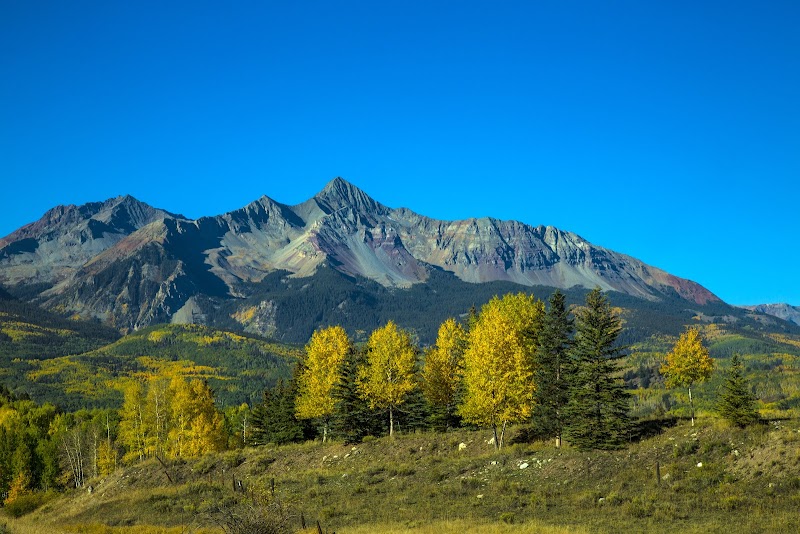
Colorado’s mountain roads can stretch 10 to 20 miles, with elevations climbing often above 10,000 feet. The air thins, coaxing your body and your equipment to work harder. The mountainous landscape is fiercely itself—the evergreen forests lean in to shadow narrow Jeep paths, rivers dare you to draw closer while their currents push forward. Your camera should be ready to meet this wild environment head-on.
Start with protection. Cold temperatures up here can cause battery life to drain rapidly—pack at least two fully charged spares, stored close to your body to keep them warm. Lens fogging is frequent as temperature swings shift between sun, wind, and shade. A microfiber cloth and anti-fog wipes are more than handy; they guard your optics against dew and dust out on the trail.
Your camera body benefits from weather sealing, but adding a rain cover or a DSLR rain sleeve provides an extra buffer against mountain mist or unexpected rain showers. The Jeep’s vibrations aren’t subtle, so use a lightweight, rugged tripod with secure locking mechanisms to stabilize shots without slowing you down during stops.
Filters—especially polarizers—work wonders to tame glare off rocky faces and alpine lakes, intensifying color and contrast. Place them on your lenses before heading up, as fumbling with filters mid-ride often isn’t practical.
Storage and straps matter, too. Use padded camera bags with sturdy zippers and water-resistant materials, organized for quick access. An adjustable neck or wrist strap will keep your camera ready but safe when the Jeep lands on rocky jolts or you step out for a quick frame.
Consider lens choice for your mountain shoot: a zoom covering roughly 24-70mm balances sweeping landscape shots with closer details. For wildlife glimpses or far-off ridges, a telephoto lens from 100-300mm offers reach without bulk.
Always gauge the day’s light before the tour. Early morning or late afternoon offers the richest color and softer shadows, while midday sun is sharp and contrast-heavy, challenging for photography but rewarding for bold compositions. Keep hydration and energy high—altitude takes a toll, and clear-headed focus is the best tool you carry.
This adventure invites you to engage with the mountains on their terms. With your camera gear prepped and your senses sharp, each stop on the Jeep trail becomes a new chapter—the telling of a landscape fiercely present and alive.
Nearby Trips
All Adventures
Boat Charters
Water Activities
Adventures near Ouray
Discover the unique and memorable adventures that make Ouray special.
Frequently Asked Questions
How does altitude affect camera gear?
At higher elevations, lower temperatures and thinner air speed up battery drain and may cause lens fogging. Condensation can form quickly when moving between cold and warm environments, requiring proper gear management to protect equipment.
Are weather-sealed cameras necessary for these tours?
While weather-sealed bodies perform better against dust and moisture, adding extra protection like rain covers is advisable due to frequently changing mountain weather conditions during Jeep tours.
What types of lenses are best suited for high-altitude mountain photography?
A versatile zoom lens around 24-70mm is ideal for landscapes and details, while a telephoto 100-300mm lens allows capturing wildlife and distant ridgelines without carrying excessive weight.
Can I charge camera batteries during the tour?
Power sources are limited on the trail. Portable power banks and extra batteries are essential to maintain power, and recharging should be done before departure or in nearby towns.
Are tripods recommended for mountain Jeep tours?
Yes, but choose a tripod that is lightweight and stable enough to withstand uneven ground and Jeep vibrations without being cumbersome during active stops.
What precautions should photographers take against altitude sickness?
Hydrate well, pace yourself, and recognize symptoms like headache or dizziness. Adequate rest before tours and avoiding heavy exertion can help minimize altitude sickness risks.
Recommended Gear
Extra Camera Batteries
Cold mountain air saps batteries swiftly; carry spares kept warm inside clothing.
Polarizing Lens Filter
Reduces glare from wet rocks and alpine lakes, enhances color depth under changing light.
Water-Resistant Camera Bag
Protects gear from moisture, dust, and sudden weather shifts while organizing accessories.
Lightweight Tripod
Stabilizes images on uneven surfaces and during stops; less practical in deep snow or icy conditions.
Local Insights
Hidden Gems
- "Engineer Pass overlooks with panoramic views rarely crowded"
- "The abandoned mining cabins near Yankee Boy Basin offer unique photo opportunities"
- "Secret alpine lakes tucked along the Alpine Loop"
Wildlife
- "Mountain goats frequent the rocky crags"
- "Mule deer often appear along forest edges"
- "Thunderous ravens are commonly spotted soaring above ridges"
History
"The region carries the legacy of 19th-century mining; many old trails follow historic wagon roads that once carried ore down the mountainsides."