Explore the unique world of falconry in Florida’s wild forests and flatwoods. This guide breaks down essential falconry terms and practices for newcomers, combining thrilling adventure with practical advice to prepare you for a hands-on experience with raptors in their natural habitat.
Start Early for Cooler Flights
Falconry flights succeed best in the cooler hours of morning or late afternoon when birds are most active and both you and your bird avoid Florida’s heat.
Use Gloves and Jesses Correctly
A proper falconry glove and well-fitted jesses protect both you and your bird, ensuring safe handling during training and flight exercises.
Hydrate Thoroughly
Florida’s humidity demands regular hydration for both falconer and bird. Carry at least 2 liters of water and offer water to your raptor during breaks.
Wear Grippy Footwear
Trail surfaces vary from soft sand to leaf-littered dirt; shoes with solid traction prevent slips and provide stability on uneven terrain.
Translating Falconry Terms and Practices for Newcomers to Florida’s Wilderness

Full Day Falconry Experience
Starting $350 | 4-6 Hours | Mornings
Spend a day learning the ancient art of hunting with trained hawks near Live Oak, Florida. Gain close wildlife encounters and stunning photo ops in natural pine flatwoods.
Stepping into Florida’s wilderness with a falconry glove on your arm is an invitation to engage with the wild at a unique, primal level. Falconry—the ancient art of hunting with trained birds of prey—comes with its own language and practices that can initially confound newcomers. But understanding these terms opens the door to a living tradition fiercely linked to the landscape's rhythms.
Start with the falcon itself: species like the red-tailed hawk, kestrel, and Harris’s hawk patrol Florida’s scrubby forests and open pine flatwoods. Knowing terms like ‘mew’ (the bird’s enclosure) and ‘jess’ (the leather straps attached to a bird’s legs) helps you grasp the physical connection between falconer and raptor. These tools are part of a careful protocol to keep the bird safe and ready for flight.
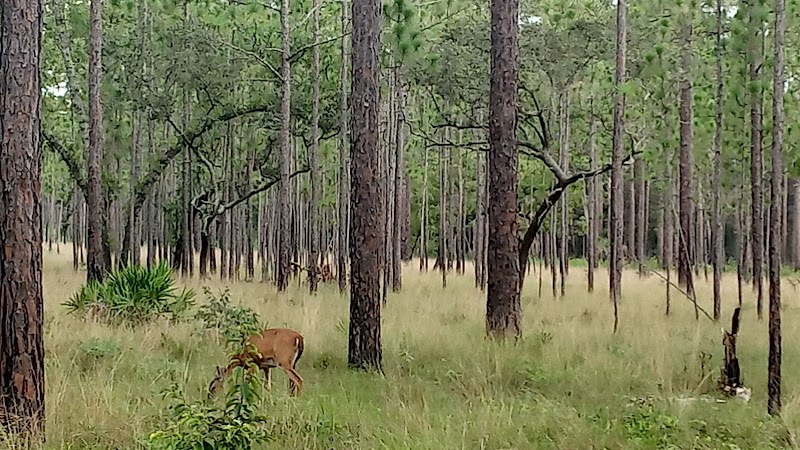
In Florida’s wilderness, falconers walk onto varied terrain. Trails range from flat sandy soils under a pine canopy to mixed hardwood forests where Spanish moss sways. Expect hikes with modest elevation changes—usually under 200 feet—but the uneven ground and insects keep you alert. Hikes typically run 3 to 5 miles, enough to let your bird soar and hunt, but manageable for casual adventurers.
Practice and patience define the process. ‘Casting’ means letting the bird fly free but within sight, allowing it exercise and honing its instincts. Newcomers learn to ‘recall’ the falcon—calling it back to the glove—which requires consistent signals and trust. The wilderness challenges this relationship: gusty breezes challenge precision; sweltering sun drains energy; sudden wildlife presence tests focus.
Preparation is practical. Lightweight, closed-toe shoes with grip tackle sandy and sometimes muddy paths; hydration is critical in Florida’s heat and humidity. Falcons fly best during cooler hours, so dawn or late afternoon outings work best. Pack water for yourself—and for your bird, who requires regular care.
Beyond technical terms, falconry connects deeply with nature’s pulse here. As you track your falcon’s shadow overhead, you feel the landscape respond—the rustle of palmettos daring you forward, the river currents at Florida’s edges whisper promises from distant swamps. Everything here is alive and demands respect.
For newcomers, translating falconry’s jargon means more than understanding language; it’s about embracing a disciplined dialogue. Each bird and falconer relationship is a lesson in patience, observation, and mutual reliance. This wilderness isn’t simply a backdrop; it’s a partner in the adventure.
Taking on falconry in Florida’s wild spaces requires respect and readiness—a blend of knowledge, preparation, and openness to the challenges the land and skies offer. Whether you’re a hiker looking to expand your outdoor skills or an adventurer ready to walk alongside a fierce, living legacy, learning the language of falconry sets the stage for a truly dynamic experience.
Nearby Trips
All Adventures
Boat Charters
Water Activities
Adventures near Orlando
Discover the unique and memorable adventures that make Orlando special.
Frequently Asked Questions
What species of raptors are commonly used in Florida falconry?
Red-tailed hawks, American kestrels, and Harris’s hawks are the most common. They are well-adapted to Florida’s environments and offer a range of size and temperaments for beginners.
How do I start training a falcon if I’m new to falconry?
Begin with foundational flight training in safe, open areas during cooler hours. Use clear recall signals and be consistent. Joining a local falconry club can provide mentorship and guidance.
What hazards should I be aware of while practicing falconry in Florida?
Be mindful of heat exhaustion, venomous wildlife like snakes and spiders, and ticks. Florida’s wetlands can be tricky, so watch for unstable ground near water edges.
Are permits or licenses required for falconry in Florida?
Yes. Falconry requires state and federal licenses, including an apprentice permit for beginners. Compliance with legal and ethical standards is mandatory.
Can I hunt with my falcon year-round in Florida?
Hunting seasons vary by species and region. Consult Florida Fish and Wildlife Conservation Commission regulations to ensure compliance and ethical practice.
What should I do if my falcon flies off during training?
Remain calm and call the bird with familiar signals. Avoid chasing, as this may scare it further. If lost, contact local wildlife agencies for advice on recovery protocols.
Recommended Gear
Falconry Glove
A thick leather glove to protect your arm during bird handling and flight retrievals.
Sturdy Hiking Shoes
Provides required grip and support on sandy, uneven Florida trails.
Water Bottle or Hydration Pack
Keeps you and your bird hydrated in Florida’s humid conditions.
Jess and Leash Set
Leather straps necessary for safe bird attachment and control during handling.
Local Insights
Hidden Gems
- "Climb nearby sand hills east of the training fields for sweeping views over pine flatwoods."
- "Explore small hammock islands within the forest for quiet observation spots filled with unique flora."
Wildlife
- "Watch for barred owls, an occasional surprise presence during dusk routines."
- "Keep an eye on the elusive gopher tortoise—Florida’s burrower adds to the wild backdrop."
History
"Falconry in Florida ties back to centuries-old indigenous hunting traditions mixed with later European influences, creating a distinct blend still practiced by modern falconers."