
Florida's lakes come alive through the seasons, each offering unique wildlife viewing experiences shaped by weather and timing. Discover when and how to plan your visit for the best encounters with the region’s vibrant animal life.
Start Early or Late
Wildlife is most active during cooler hours, so aim for hiking at dawn or dusk to increase your chances of sightings.
Hydrate Constantly
Florida’s humidity and heat can drain you quickly. Bring plenty of water and drink regularly to stay alert and safe.
Use Waterproof Footwear
Trails near lakes often cross wetlands or muddy banks, so waterproof boots will keep you comfortable and mobile.
Prepare for Sudden Weather
Afternoon thunderstorms arise quickly, especially in summer. Carry lightweight rain protection to avoid being caught off guard.
Timing the Wild: Best Seasons and Weather for Florida Lakes Wildlife Spotting
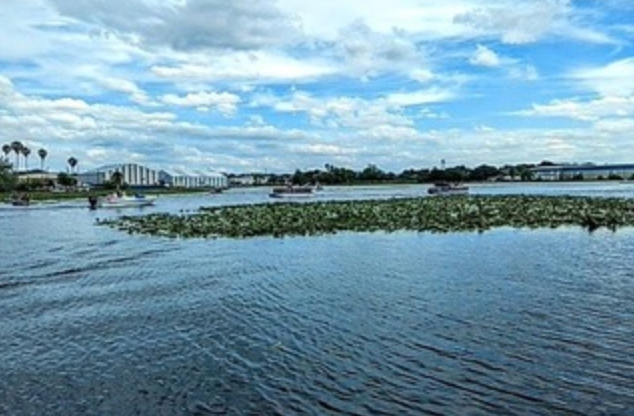
2 Hour Scenic Pontoon Day Cruise
For all ages! • Up to 8 People (max weight 2400lbs) • 2 Hours • Pricing Per Person
Discover the beauty of Florida's lakes with a private 2-hour pontoon cruise in Winter Haven. Perfect for relaxing and taking in scenic views, this activity offers an unforgettable water adventure for all ages.
Florida’s lakes are alive with creatures both still and stirring, drawing wildlife enthusiasts into a world that changes with the clock and sky. When you approach these freshwater expanses—their waters daring you closer—you enter a landscape fiercely tuned to rhythm and light. Identifying the optimal timing and weather unlocks the richest wildlife encounters, whether it’s the sunbathing alligators or the call of a hidden limpkins.
Spring, stretching from March to May, is prime for spotting active birds and reptiles warming up after winter’s lull. Expect moderate humidity and warming days that coax animals out of hiding. Trails around lakes like Lake Apopka and Lake Tohopekaliga present mostly flat terrain with lengths ranging from 3 to 7 miles, making for approachable hikes with forested and marsh-lined paths. The gentle rise and fall of the land keeps elevation gain minimal—usually under 200 feet—providing a steady pace without taxing energy reserves.
Summer invites early mornings and late evenings as your best allies. Midday heats push most creatures into shade or water. Heavy afternoon thunderstorms can arrive with reckless speed, reminding you that Florida’s weather is a capricious partner. Lightweight, waterproof gear and hydration packs become essentials in this season. The lakes themselves mirror fiercely still skies or churning storms, their edges thick with dragonflies and a chorus of frog calls.
Fall, from September through November, offers cooler temperatures that signal a second awakening for wildlife. Migratory birds pepper the treetops, and alligators soak longer in the sun as days shorten. Trails remain friendly for all skill levels, but watch for damp areas after rains. In these months, wind often pushes across the lakes, creating swimming ripples that reflect shifting light. It’s a perfect setup for photographers seeking dynamic contrasts.
Winter’s cooler months bring clear air but fewer animals peeking from cover. Still, the low light angle and quieter waters offer a more intimate experience. The crisp mornings sometimes yield frost along the edges of still pools, a reminder that while the region is warm by northern standards, every season shapes the behavior of the lake’s inhabitants.
To make the most of your wildlife-spotting outings, plan hikes in early mornings or late afternoons when animals actively forage and skies are soft, neither harsh nor dim. Wear sturdy waterproof boots to navigate marshy banks and occasional muddy stretches. Carry binoculars and a camera with telephoto lenses for capturing wary creatures without disturbance. And pace yourself to the land—respect the lake’s calls, the buzz of insects, and the rustling reeds.
Florida lakes offer encounters with nature that demand both patience and preparedness. Here, the weather doesn't just set the scene—it choreographs the dance of life on and around the water. Timing your visit to these rhythms opens a door not only to seeing wildlife but to understanding the forces behind their movements.
Nearby Trips
All Adventures
Boat Charters
Water Activities
Adventures near Orlando
Discover the unique and memorable adventures that make Orlando special.
Frequently Asked Questions
What time of day is best for spotting wildlife at Florida lakes?
Early mornings and late afternoons are best as temperatures are cooler and animals are actively foraging. Midday tends to push most wildlife into shade or water.
Are the trails around the lakes suitable for beginner hikers?
Yes, most trails surrounding Florida lakes are flat or gently rolling, with distances from 3 to 7 miles, making them accessible to hikers with basic fitness levels and no technical skills.
How can I stay safe from snapping turtles or alligators while hiking?
Maintain a respectful distance from water edges, never feed wildlife, and stay on designated trails. Be especially cautious near alligator nesting areas during spring.
Is it necessary to have waterproof gear year-round?
Not year-round, but waterproof boots and rain jackets are highly recommended, especially in summer and fall when showers and wet trail conditions are frequent.
What wildlife species are most commonly seen around Florida lakes?
Expect to see alligators, limpkins, herons, anhingas, turtles, and a variety of songbirds and amphibians, especially in spring and fall seasons.
Are there any restrictions or conservation efforts hikers should be aware of?
Many lakes are part of protected areas where disturbing habitats is prohibited. Stick to marked trails and follow local guidelines to protect nesting birds and water quality.
Recommended Gear
Waterproof Hiking Boots
Protect your feet from wet, muddy banks and keep steady footing on slippery paths.
Lightweight Rain Jacket
Essential for sudden showers common in Florida’s summer afternoons.
Binoculars
For spotting distant or wary wildlife without disturbing them.
Insect Repellent
Keep mosquitoes and biting insects at bay during humid months near water.
Local Insights
Hidden Gems
- "Blue Cypress Lake for quiet canoe-based wildlife viewing"
- "John’s Lake Old Town for secluded birdwatching spots"
- "Hidden boardwalks around Lake Kissimmee revealing marsh snakes and rare orchids"
Wildlife
- "American alligator"
- "Limpkin, notable for its distinct call and snail-feeding behavior"
- "Florida scrub-jay near drier lake edges"
- "Swallow-tailed kite during migratory seasons"
History
"Many Florida lakes have longstanding importance to indigenous peoples and settlers, serving as fishing grounds and transport routes that shaped local culture and economy."