
Navigating Blue Spring State Park: Practical Meeting Points and Trail Tips
Blue Spring State Park’s pristine waters and forest trails offer a manageable but rewarding outdoor adventure. This guide covers essential meeting spots and navigation tips so you can confidently explore the spring’s natural beauty while staying on course and well-prepared.
Use the Visitor Center as Your Base
Meet at the Visitor Center near the main parking lot for a clear, sheltered, and central starting point. It offers maps, restrooms, and ranger advice.
Download Offline Maps
Signal can be spotty on certain trails. Pre-download detailed maps of Blue Spring State Park to stay oriented.
Wear Trail-Appropriate Footwear
Opt for sturdy, breathable hiking shoes with grip to handle soft dirt and wet areas near the spring run safely.
Start Early to Avoid Crowds
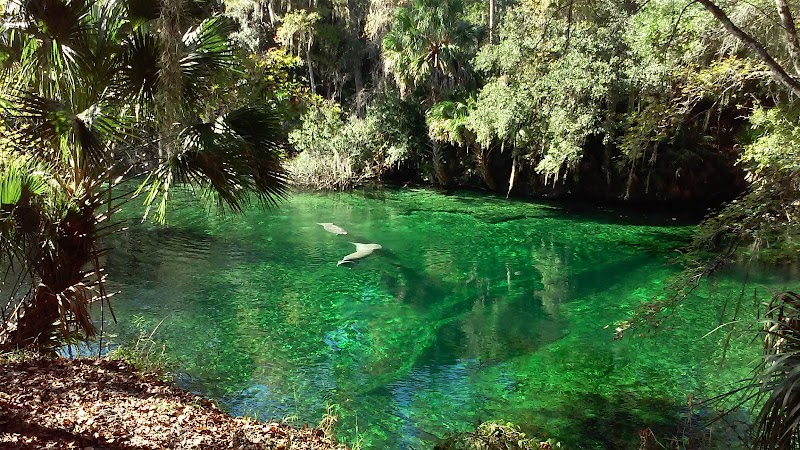
Arriving at or before 8 a.m. lets you walk quieter paths and spot wildlife like manatees undisturbed.
Navigating Blue Spring State Park: Practical Meeting Points and Trail Tips

Manatee Discovery Tour
All Ages • 2 Hours • Daily 9am and 12pm and 6:30pm
Discover the gentle giants of Florida on a private kayaking tour in Orange City. Perfect for wildlife lovers, this adventure offers unforgettable views and close encounters with manatees in their natural habitat.
Blue Spring State Park in Orange City offers a clear invitation to wilderness seekers, with its winding paths and the steady pulse of the spring itself as a constant companion. Before stepping onto the well-marked trails that skirt the crystal-clear spring basin, knowing where and how to meet your group and navigate this diverse terrain makes all the difference.
The main meeting point is the park's entrance and parking area, located off Walter Basnight Drive. This spot is easy to find, has ample parking, and is connected directly to the Visitor Center—a helpful landmark for assembling your party or finalizing gear checks. From here, all trails radiate outwards, making it a natural, accessible rendezvous.
The most popular hike leads to the spring run observation platform—a 1.5-mile round trip with less than 100 feet elevation gain. Terrain is mostly flat, with packed dirt paths weaving through mixed hardwood forests that lean close enough to rustle in the breeze, as if eager to guide you. The gentle river current seems to push you forward, encouraging each step.
For navigation, the well-maintained signage provides clear mileage and directional cues, but using a GPS app or a downloaded offline map can add peace of mind—especially if venturing toward less beaten paths like the Blue Spring Trail, which dips into lush river corridors and can be more secluded.
Timing is another key factor. Early morning visits often reward hikers with fewer people and cooler temps, while afternoons introduce a livelier atmosphere with more wildlife and visitors but bring warmer sun exposure. Hydration is crucial; carry at least two liters per person. Footwear should be sturdy but breathable, given the soft dirt and occasional wet patches near the spring.
Finally, respect the spring as a fiercely alive entity. Its waters harbor manatees in cooler months and demand quiet appreciation from visitors. Plan your meeting and navigation with these practical points in mind, then let nature perform its role in delivering a refreshing, memorable adventure.
Nearby Trips
All Adventures
Boat Charters
Water Activities
Adventures near Orange City
Discover the unique and memorable adventures that make Orange City special.
Frequently Asked Questions
Where is the best spot to meet friends before starting the hike?
The Visitor Center adjacent to the main parking lot is the easiest and most convenient meeting point. It provides bathrooms, park information, and a shaded area to gather before heading onto the trails.
Is navigation difficult within Blue Spring State Park?
The park has clear signage and mostly simple, flat trails. However, carrying a GPS or offline map is advised for less marked trails like the Blue Spring Trail, as cell service may be limited in forested areas.
Are there any hidden viewpoints or features worth exploring?
Beyond the main spring observation platform, the less visited trails along the spring run reveal quiet river bends and small clearings perfect for spotting birds or catching sunlight on the water’s surface.
What wildlife am I likely to encounter during my visit?
Manatees are the winter highlight, gathering in the warmer spring waters. Year-round, keep an eye out for wading birds, turtles sunning on logs, and white-tailed deer roaming the wooded edges.
Is the terrain suitable for casual hikers or families with children?
Yes, the main hiking routes are family-friendly with minimal elevation and well-maintained paths. Be mindful of occasional muddy patches and stay on marked trails to avoid sensitive habitat.
Are there environmental considerations visitors should be aware of?
Respecting the spring’s delicate ecosystem is vital. Stay on paths, avoid entering non-designated waters, and limit noise near manatee viewing areas, as these animals are sensitive to disturbance.
Recommended Gear
Hydration Pack or Water Bottles
Adequate water is essential to stay hydrated, especially during warmer months.
Hiking Shoes
Provide grip and foot protection on loose dirt and occasional muddy spots around the spring.
Light Rain Jacket
Protects you from spring showers and sudden weather shifts without overheating.
Binoculars
Ideal for manatee spotting from observation decks without disturbance.
Local Insights
Hidden Gems
- "The secluded river bend accessible via the Blue Spring Trail offers quiet, reflective water views absent of crowds."
- "A small wooden bridge along the river run, ideal for observing aquatic life close-up."
Wildlife
- "Seasonal gatherings of West Indian manatees in winter"
- "Prolific local birdlife including great blue herons and osprey"
- "White-tailed deer frequent the forest edges during early morning and dusk hours"
History
"Blue Spring held significance for indigenous peoples before becoming a state park. Its crystal waters sustained native communities and later attracted steamboat commerce, standing as both a natural resource and cultural waypoint."