Timing and Environmental Factors That Shape River Trips Near Oak Harbor, OH
River trips near Oak Harbor, OH, offer an engaging encounter with nature’s changing moods. From spring’s swift currents to fall’s slower flows, understanding timing and environmental conditions ensures a safe, memorable adventure on Ohio's waterways.
Check Water Levels Before Launching
Water depth and flow change rapidly with weather; consult local river gauges or park services to time your trip safely.
Wear Sturdy, Water-Resistant Footwear
Riverside terrain can be slippery and uneven. Footwear with good traction will protect your feet and improve stability during portages or riverbank hikes.
Bring Insect Repellent
Mosquitoes and biting insects flourish near slower-moving parts of the river, especially during warm months and dusk periods.
Plan for Variable Weather
The region's weather can shift quickly; layered clothing and waterproof gear keep you comfortable on river and land sections.
Timing and Environmental Factors That Shape River Trips Near Oak Harbor, OH

Oak Harbor River Trips! Trip 1
Oak Harbor Location
Discover the serene beauty of Ohio's Portage River on a guided kayak trip with Portage River Paddling Company LLC. Perfect for all skill levels, this adventure offers scenic views, wildlife encounters, and a relaxing outdoor escape.
A river trip near Oak Harbor, Ohio, is an adventure interwoven with the pulse of nature's rhythms. The rivers here aren’t just static bodies of water; they respond to seasons, weather, and temperature, daring you to engage with their shifting character. To understand when to navigate these waters—and how to prepare—is to respect their force and make the most of every paddle stroke.
The primary waterways around Oak Harbor, including the Portage and West Branch Portage Rivers, present a mix of gentle currents and occasional faster cascades. These rivers fluctuate with rainfall and seasonal thaw, transforming the experience from a calm float to a more intense navigation challenge. For example, spring’s runoff swells the rivers, pushing currents faster and raising water levels, ideal for those looking to feel the river’s power but requiring caution due to stronger flows and submerged obstacles. Conversely, late summer often lowers water levels, exposing rocky patches and gravel bars that can strain smaller craft but offer excellent spots for resting and observing riverbank life.
Timing your trip usually hinges on weather and water levels. From March to May, the rivers shift energetically, their flow commanding respect and skill. Water temperatures remain chilly, so layered waterproof gear and neoprene gloves become essentials rather than luxuries. Summer—June through August—warmth invites longer days and calm, though afternoon thunderstorms can whip up sudden gusts and make water unpredictable. Fall, September through November, offers cooling air and clearer skies; the river glides slower, revealing fish darting beneath the surface and trees lining the banks shedding vibrant leaves.
Terrain along typical launch points is approachable but varied—compact dirt trails, occasional gravel patches, some modest elevation changes near banks where riverbanks rise 15-30 feet. Expect hiking distances from access points to water averaging about half a mile, with minimal elevation to navigate. Trails meander through hardwood and pine stands; the consistent canopy offers shade but can obscure trail markers, so a map or GPS is advised.
Preparation tips matter: strong water-resistant footwear with good tread handles slippery rocks; hydration remains crucial, especially amid summer heat; insect repellent wards off persistent mosquitoes, especially near slower river segments; sun protection is necessary even on cooler days. Tributaries can push cool drafts into river corridors—prepare layers accordingly.
Respect the river’s mood. Weather can flip quickly—gray clouds will stretch the river's patience, and sudden wind bursts swirl surface currents. Keep an eye on the sky, monitor local river gauges, and plan turnaround points early to avoid getting caught off-guard.
In sum, river trips near Oak Harbor transform with seasons: from spring’s energized push to summer’s gentle coaxing and fall’s reflective glide. The river commands attention and respect but rewards well-prepared adventurers with a striking, immersive connection to Ohio’s water-driven wildness.
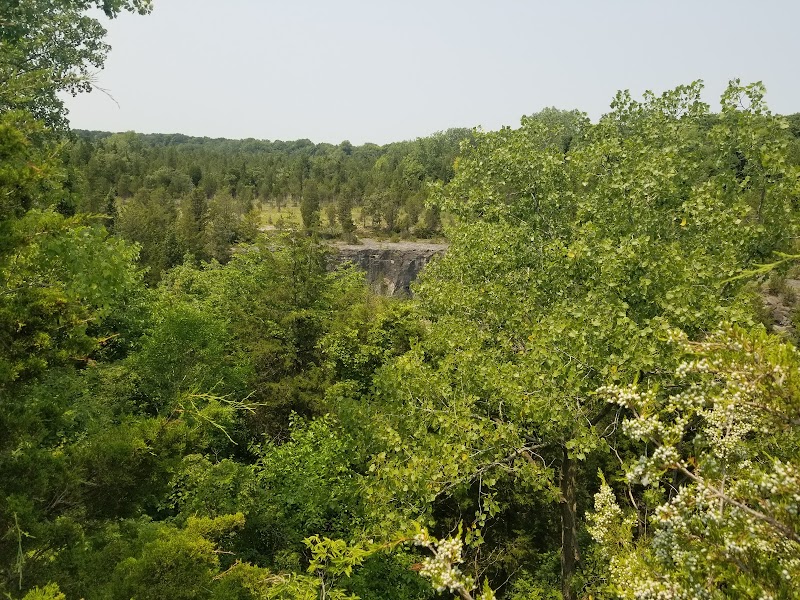
Nearby Trips
All Adventures
Boat Charters
Water Activities
Adventures near Oak Harbor
Discover the unique and memorable adventures that make Oak Harbor special.
Frequently Asked Questions
When is the best time to paddle the rivers near Oak Harbor?
Late spring through early fall (May to October) generally offers the best balance of water levels, temperature, and weather stability. Spring has stronger flows for experienced paddlers, while summer and fall provide calmer conditions for casual adventurers.
Are there any hidden hazards on the river to watch for?
Yes, submerged logs and gravel bars frequently appear, especially after heavy rains or late summer droughts. Be cautious near bends where debris may collect and always scout unknown stretches if traveling alone.
What wildlife might I see on these river trips?
Watch for herons, kingfishers, turtles sunning on logs, and white-tailed deer near the shorelines. Spring and early summer also bring migrating songbirds and active beavers shaping the ecosystem.
Is camping allowed near the river access points?
Most river access spots close to Oak Harbor are day-use only. However, nearby state parks and wildlife areas have designated campsites. It’s best to plan overnight stays separately from river launches.
Are children and beginners suited for these river trips?
Yes, particularly in summer and fall when water is calmer. Start with short sections and check for current strength. Always wear life jackets and stay vigilant near any swift currents or obstacles.
What local cultural or historical points are nearby?
Oak Harbor has Native American heritage sites and remnants of early settler communities along the rivers, including small historic mills and old ferry crossings visible from some riverbanks.
Recommended Gear
Waterproof Hiking Shoes
Protects feet on slippery riverbanks and during approach hikes, especially important in early spring when terrain is wet.
Lightweight Waterproof Jacket
Protects against sudden rain and wind gusts common along the river corridor.
Hydration Pack
Keeps you well-hydrated during long, hot paddling stretches without needing to stop frequently.
Insect Repellent
Keeps biting insects at bay near slow-moving waters and in wooded riverbank areas.
Local Insights
Hidden Gems
- "A small, seldom-visited waterfall on the West Branch Portage River"
- "Quiet sandbars near the Drouillard Bridge allowing wildlife observation"
Wildlife
- "Great blue heron"
- "River otters"
- "Bald eagles (occasionally spotted)"
- "Beavers"
History
"The rivers around Oak Harbor served as important transport and trade routes for the Wyandot and later settlers. Historic mills and ferry crossings along these waterways mark points of regional development."