Mastering Timing Strategies for Witnessing Niagara Falls’ Seasonal Shifts from Manhattan
Niagara Falls’ power changes with every season, inviting visitors to witness a new spectacle each time. From the lush summers to icy winters, timing your trip from Manhattan ensures you experience the falls at their most striking and manageable.
Plan Travel with Seasonal Crowds in Mind
Summer and fall afternoons draw heavy crowds; early mornings or late afternoons provide quieter, more immersive views.
Prepare for Variable Trail Conditions
Spring can bring muddy trails; winter requires traction devices due to ice. Waterproof boots and layered clothing are essential.
Hydrate and Protect Against Sun Exposure in Summer
Temperatures can rise rapidly; carry enough water and wear sunscreen, especially if you plan to explore by boat tours or hike the trails extensively.
Book Flights and Accommodations in Advance
Niagara Falls is a popular destination year-round. Booking ahead, especially in fall and summer, saves time and secures better rates.
Mastering Timing Strategies for Witnessing Niagara Falls’ Seasonal Shifts from Manhattan

One Day Niagara Falls Tour
19 Hours • Natural Wonder of the World • Ages 3+
Experience the breathtaking power of Niagara Falls on a 19-hour guided tour from NYC. Enjoy boat cruises, scenic viewpoints, and plenty of photo opportunities on this memorable day trip with Amigo Tours USA.
Niagara Falls demands respect for its fierce, ever-changing character—an experience that varies dramatically with the seasons. Viewing this natural powerhouse from Manhattan isn’t a casual day trip; it’s a venture that requires precise timing and thoughtful planning to truly capture its seasonal transformations.
The journey begins with understanding the time commitment: traveling roughly 400 miles northwest of Manhattan, it’s best to plan for at least one full day or an overnight stay near Niagara Falls. Flights take about 1.5 hours, while driving stretches over six hours, with distance giving you time to mentally prepare for the stages of nature’s show ahead.
Spring arrives with determination, shedding winter’s grip. The surrounding forests encourage rejuvenation—branches shaking off frost, rivers below daring you to feel their chill. Meltwater swells the Falls’ flow to near thunderous volumes. For travelers, this means packed trails around Goat Island with wet, sometimes muddy paths. Good waterproof footwear and early morning visits beat the crowds and the midday spray.
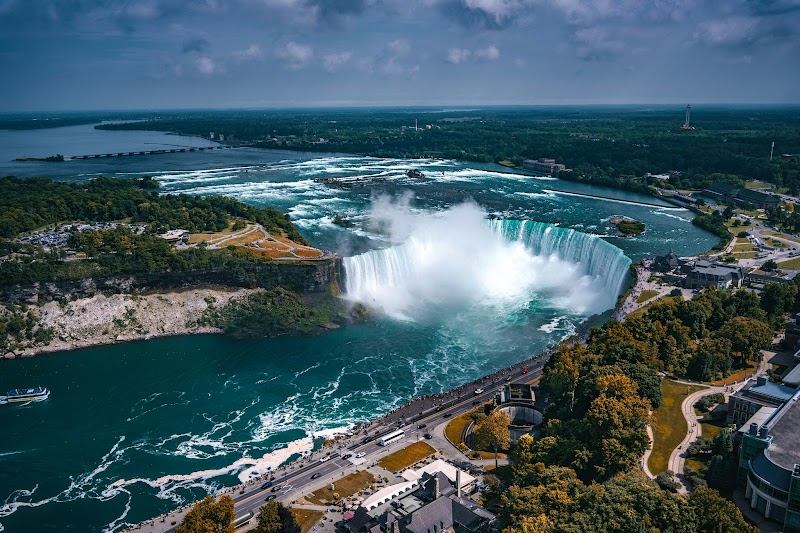
Summer is the season when Niagara’s power appears most playful, yet no less impressive. Misting breeze and vibrant greenery invite longer hikes and boat tours on the Maid of the Mist, which pushes forward beneath the falls’ roar. It’s the most accessible time for all skill levels, but hydration is vital as temperatures rise quickly. Expect crowded lookout points by midday. Early or late trips capture softer light and quieter scenes.
Fall turns the landscape into a fiery spectacle. Forests bordering the pathways ripple with reds and golds, rustling leaves challenging your steady pace. This is perhaps the most rewarding time for hikers who appreciate the visual feast combined with cooler air. Trails are drier, footing secure, but daylight shrinks rapidly. Late afternoon hikes maximize the glow of the sunset on the mist.
Winter reveals the Falls as a solid force, frost and ice reshaping edges. The churning water dares to defy frozen banks, sending up clouds of steam that blush in icy winds. Access to some pathways may be limited or slippery, demanding layered clothing and traction gear. The quiet here is profound; fewer visitors mean the environment feels intensely personal.
Each season offers unique challenges and rewards for viewing Niagara Falls from Manhattan, whether piecing together a long-distance travel plan or walking the trails once you arrive. Understanding these seasonal behaviors and preparing accordingly turns a simple visit into an adventure with nature fiercely itself.
Practical tips: Know your route—flights to Buffalo or Niagara Falls International Airport save time; rental cars offer flexibility. Pack with layers and waterproof gear through variable seasons. Timing your arrival early or late in the day improves both photo opportunities and trail experience.
Niagara waits, relentless and alive. Timing your approach from Manhattan means acknowledging its strength and planning to meet it on its terms—season by season.
Nearby Trips
All Adventures
Boat Charters
Water Activities
Adventures near Niagara Falls
Discover the unique and memorable adventures that make Niagara Falls special.
Frequently Asked Questions
Is it feasible to visit Niagara Falls from Manhattan in a single day?
While possible with an early flight or a very long drive, it’s recommended to plan at least one overnight stay near Niagara Falls to fully experience the views and hikes without rushing.
Which season offers the most dramatic water flow at Niagara Falls?
Spring typically delivers the strongest water flow due to snowmelt and increased rain, creating an especially powerful spectacle of sound and spray.
Are there less crowded spots to view Niagara Falls?
Yes. Exploring Goat Island’s perimeter trails or visiting viewpoints such as Terrapin Point or the lesser-known Luna Island reduce crowd encounters.
What wildlife might visitors notice around Niagara Falls?
Look for river otters and various waterfowl near the rapids, particularly in spring and fall, as well as migrating birds along the wooded trails.
How do weather conditions affect accessibility in winter?
Winter ice and snow can close certain trails or make access hazardous, so check local conditions and use traction gear. Some views remain accessible and offer unique looks at frozen formations.
Can visitors hike safely around the Falls year-round?
Yes, but conditions vary. Spring and fall are ideal for moderate hiking, summer requires sun protection and hydration, and winter hiking demands careful preparation for ice and cold.
Recommended Gear
Waterproof Hiking Boots
Protect feet from mud and ice while providing stability on variable terrain around the falls.
Layered Clothing System
Allows temperature regulation for sudden weather shifts, especially with cool morning and evening temperatures.
Hydration System or Water Bottle
Prevents dehydration during long hikes and boat tours in warm weather.
Traction Cleats
Grip icy patches safely on trails where snow and ice persist close to the Falls.
Local Insights
Hidden Gems
- "Luna Island offers a quiet viewing point with dramatic close-ups of American and Bridal Veil Falls."
- "The Whirlpool Rapids overlook provides an exciting perspective on turbulent rapids below that many overlook."
Wildlife
- "River otters in the Niagara River"
- "Migrating hawks during fall"
- "Wood ducks and herons near wetland edges"
History
"Niagara Falls has long been a site of hydroelectric innovation and cultural significance, with the surrounding parks established in the late 19th century to protect and showcase its natural grandeur."