Oregon’s coastal waters offer prime salmon fishing from late spring through fall, where the ocean’s shifting tides and temperatures dictate the action. Discover the best times to fish, environmental factors, and practical tips to maximize your catch along this fierce and beautiful stretch of coastline.
Monitor Tide Charts
Focus your fishing around incoming tides when salmon are more likely to move into bays and estuaries to feed.
Use Layered Clothing
Coastal weather shifts quickly; dressing in layers helps you stay warm against chilly ocean breezes and rainy conditions.
Cast Early or Late
Salmon are particularly active during early mornings and late afternoons—plan your fishing trips accordingly for better success.
Bring Heavy-Duty Gear
Strong rods and braided lines are necessary to handle aggressive salmon and resist abrasion from rocky shorelines and currents.
Timing and Optimal Conditions for Salmon Fishing in Oregon’s Coastal Waters

Guided Salmon Fishing Charter
8 Hours • Oregon Salmon fishing charter • Up to 6 People
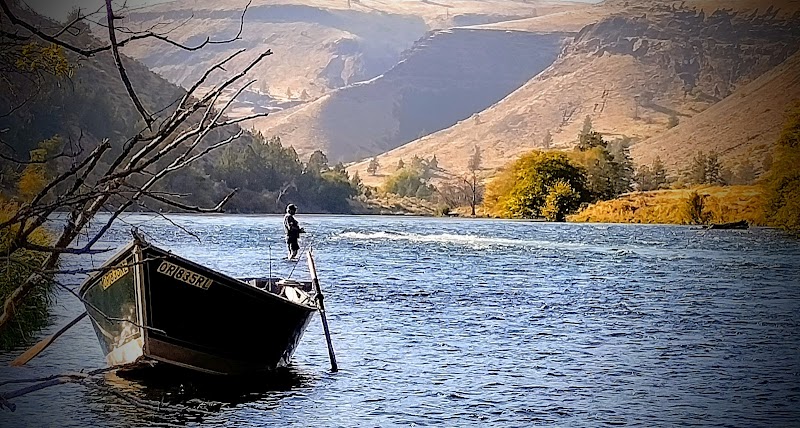
Join Take Down Guide Service for a full-day salmon fishing adventure on Oregon’s scenic waters. Perfect for anglers looking to reel in the catch of a lifetime while soaking in breathtaking river scenery. Read on to learn what makes this trip a standout opportunity in Portland’s outdoor scene.
Salmon fishing along Oregon's rugged coastline demands respect for both timing and environment. The coastal waters, driven by the Pacific's persistent currents, challenge anglers with their unpredictable moods—salmon here are fiercely independent, pushing through tides and tempests that sculpt the shoreline. Knowing when to cast your line is as crucial as the gear you choose.
The peak salmon runs in Oregon’s coastal waters happen primarily from late spring through early fall. Chinook salmon arrive as early as May, while coho runs peak between September and November. These windows align with the salmon’s biological clocks, dictated by ocean temperature shifts and river flow patterns where they spawn.
Weather plays a defining role. Calm winds and overcast skies often sharpen salmon activity, while choppy seas can make fishing more strenuous but not impossible. The ocean's salt-laced air carries a hint of promise when offshore currents warm slightly, drawing salmon closer to shore.
Tidal movement commands attention. Incoming tides tend to bring salmon inward with the bounty of small fish and plankton riding the surge. This pulse of water offers anglers the upper hand, turning bays and estuaries into active feeding grounds. Conversely, falling tides push fish out, often causing them to scatter or move toward deeper channels.
Gear up for patience and adaptability. Heavy-duty rods paired with braided lines help you capitalize when a salmon takes the bait, locked in a battle that tests endurance. Expect to cycle lures or bait—salmon favor different presentations as water temp and clarity change.
Nearby ports like Newport serve as ideal staging points, with easy access to prime fishing spots such as Yaquina Bay and the Rogue River mouth. Local guides recommend starting early morning or late afternoon, the times when light softens and salmon become more elusive yet more active.
Safety remains paramount when venturing into these waters. The ocean is unyielding, with swift currents daring even experienced anglers to respect its power. Dress for changing weather—layered clothing ensures resilience against chilling winds.
Ultimately, the dance between angler and salmon in Oregon’s coastal waters is a contest of timing, patience, and respect. This is more than fishing—it’s an engagement with a natural rhythm that is relentlessly alive, pushing both man and fish to be at their best.
Nearby Trips
All Adventures
Boat Charters
Water Activities
Adventures near Newport
Discover the unique and memorable adventures that make Newport special.
Frequently Asked Questions
When is the best time of day to fish for salmon on the Oregon coast?
Early morning and late afternoon offer the best chances as salmon tend to feed more actively during lower light conditions, often aligning with tidal movements.
Are there particular types of salmon more abundant along the coast?
Chinook and Coho salmon dominate the coastal runs, with Chinook arriving earlier in the season (spring to summer) and Coho peaking in fall.
Do I need a special license to fish off Oregon’s coast?
Yes, a valid Oregon sport fishing license is required for all anglers 12 years and older, with additional ocean endorsements if fishing offshore.
What’s a lesser-known spot for salmon fishing near Newport?
The mouth of the Yaquina River often sees productive runs, especially during incoming tides when salmon push upstream to spawn.
What local wildlife might I encounter while fishing here?
Osprey and bald eagles patrol overhead, while seals and sea lions often hover near fishing boats, keen to capitalize on any errant catches.
How do ocean conditions affect salmon behavior along the coast?
Salmon respond strongly to water temperature and current shifts; warmer offshore currents draw them closer to shore, while rough seas can make them more transient and harder to locate.
Recommended Gear
Heavy-duty fishing rod and reel
Needed for strength and durability to manage the powerful runs and resistance of salmon.
Braided fishing line
Highly resistant to abrasion and provides greater sensitivity when salmon strike.
Layered waterproof clothing
Protects against rain, wind, and cold temperatures common in coastal weather.
Polarized sunglasses
Cuts glare and helps spot salmon moving in clearer, brighter water.
Local Insights
Hidden Gems
- "Shoreline caves at Devil’s Punchbowl"
- "Secluded tide pools at Agate Beach State Park"
Wildlife
- "Harbor seals resting along rocky outcrops"
- "Transient gray whales migrating offshore in spring and fall"
History
"The Oregon coast's fishing legacy dates back to indigenous tribes who relied on salmon runs as a staple, shaping cultural traditions that persist in local communities today."