Experience the Oregon coast’s rugged beauty with a well-planned multi-day boat outing. Understanding seasonal weather patterns and coastal timing ensures your adventure is thrilling yet safe, guiding you through tides, winds, and hidden havens along the shoreline.
Monitor Local Marine Weather Forecasts
Rely on NOAA and Coast Guard updates rather than standard land weather apps to get accurate wind, swell, and tide predictions specific to coastal waters.
Plan Around Tides for Safer Navigation
Check tide tables daily; some coves and channels become tricky or impassable at low tide, while others might expose unseen hazards.
Start Early, Use Morning Calm
Set off at first light when winds tend to be lighter and visibility better, reducing exposure to afternoon gusts and giving more maneuvering time.
Bring Waterproof Navigation and Safety Gear
Essential items include waterproof charts, GPS, extra batteries, and emergency signaling devices to maintain situational awareness and communication.
Mastering Timing and Weather for Multi-Day Boat Outings Along the Oregon Coast

21' Hard Top Halibut/Salmon Boat Rental - VO1 (200hp)
1 to 5 day options
Discover the thrill of fishing in Alaska’s coastal waters with Valdez Outfitters’ boat rentals. Perfect for a day on the water, these vessels give you access to prime halibut and salmon grounds amid stunning scenery. Read on to find out what makes this adventure a must-do in Valdez.
The Oregon coast stands as a fiercely dynamic playground where the sea and sky engage in constant conversation. Multi-day boat outings here invite you to step into this dialogue, where timing and weather hold the key to safety and enjoyment. Planning your voyage requires more than checking the forecast; it demands respect for the coastal rhythms that shift with the seasons and tides.
From Astoria in the north to Brookings in the south, the coastline stretches roughly 363 miles, with countless coves, inlets, and sea stacks daring you to explore. The currents often push forward and the tides rise and fall with persistence, shaping your route and daily pace. For a typical multi-day trip, distances can range from 15 to 60 nautical miles depending on your route, with stops on accessible beaches and harbors. The terrain is mostly rocky shores, dense spruce and cedar forests brushing close to the water, and stretches of exposed sand where the wind’s voice amplifies.
Spring (March-May) brings clearing skies with occasional rain, offering milder winds that ease boat handling for novices. Still, the Pacific can be moody; swift shifts from calm to choppy are common. Summer (June-August) is the prime window: generally stable weather, longer daylight hours, and warmer temperatures. Morning fog often blankets the coast, lifting by mid-morning as the sun commands the sky. This season demands early departures to maximize calm windows and avoid afternoon gusts.
Fall (September-November) sees an uptick in storms and cooler water temperatures. Waves begin to swell as the ocean asserts itself more forcefully. While the crowds taper off, skillful timing is required and an ability to read the water’s changing body becomes essential. Winter (December-February) is the least forgiving. Increased storms, strong winds, and dangerous surf push even experienced mariners to reevaluate outings or stick to sheltered bays.
Hydration and navigation gear become companions rather than afterthoughts. Waterproof charts, GPS units adapted for marine use, and tide tables should be in your kit. Footwear with grip that can withstand wet deck surfaces and occasional rocky shore landings is essential. Timing your route around tides can turn potential treacheries into navigable passages; low tide exposes hazards that high tide hides, and vice versa.
Weather apps popular for land use often fail to capture coastal nuances in real time. Engage with NOAA marine forecasts and local Coast Guard updates to understand wind direction, swell height, and visibility. Launching early in calm, cool morning hours leverages steadier conditions, with afternoons reserved for mooring in protected spots or exploring shorelines.
Each day on the water immerses you deeper into a relationship of respect and practical awareness. The Oregon coast does not yield; it challenges. But with careful planning and a keen ear for the weather’s shifts, a multi-day boat outing here becomes a cycle of discovery, endurance, and connection beyond the shore.
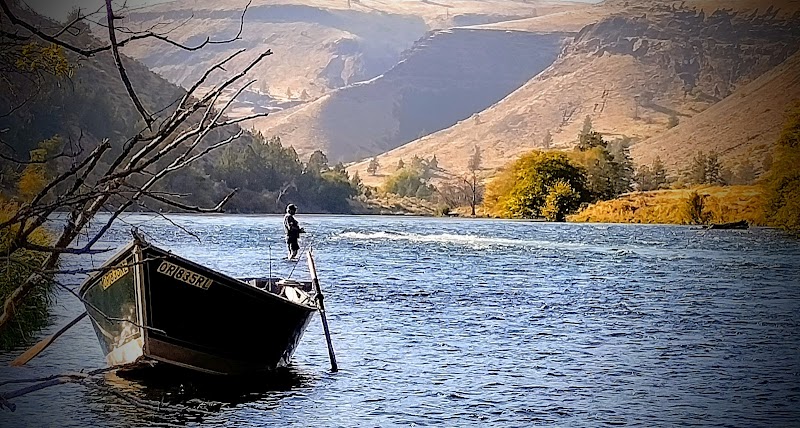
Nearby Trips
All Adventures
Boat Charters
Water Activities
Adventures near Newport
Discover the unique and memorable adventures that make Newport special.
Frequently Asked Questions
When is the best time of day to begin a multi-day boat outing on the Oregon coast?
Early morning is optimal because winds tend to be calmer and visibility clearer, allowing for safer navigation. Setting sail at first light also maximizes daytime travel hours, helping you avoid afternoon wind gusts common later in the day.
How do tides impact multi-day boat routes along the Oregon coastline?
Tides can significantly change shoreline accessibility, expose underwater hazards, and influence current direction. Planning your route around high and low tides prevents getting trapped in shallow areas and helps you choose the best landing spots each day.
Are there specific weather patterns unique to the Oregon coast that boaters should know?
Yes. The coast often experiences coastal fog in mornings, afternoon sea breezes, and sudden weather shifts due to Pacific storms. Understanding these patterns and consulting marine forecasts is crucial to anticipate challenges on the water.
What wildlife might I encounter during a multi-day boat trip on the Oregon coast?
Expect frequent sightings of sea lions bellowing from rocky outcrops, harbor seals watching curiously, and migrating gray whales during their spring and fall runs. Seabirds like tufted puffins and bald eagles are common, making wildlife observation a rewarding part of the trip.
What safety considerations are most important when planning these outings?
Safety hinges on thorough preparation—understanding weather and tides, carrying reliable navigation tools, packing appropriate gear, and having an emergency plan. Always inform someone onshore of your itinerary and expected return.
Are there less crowded or lesser-known areas along the coast for boaters to explore?
Yes, spots like Cape Perpetua’s southern coves or the secluded beaches near Siletz Bay offer quieter anchorages away from popular marinas. These areas let you engage closely with the ocean’s voice without the interruption of heavy boat traffic.
Recommended Gear
Waterproof Marine GPS
Reliable navigation to track routes and avoid hazards, especially when visibility drops or in unfamiliar areas.
Layered Waterproof Clothing
Protects against sudden rain, wind, and chilly coastal air; layering allows for adaptability throughout the day.
Non-slip Deck Shoes
Secure footing is critical on wet boat surfaces and rocky landings along the coast.
Portable Water Filtration System
Helpful for longer trips where fresh water resupply is limited, adding independence on multi-day outings.
Local Insights
Hidden Gems
- "The tide pools near Boiler Bay with rich marine life"
- "The secluded Agate Beach for quiet camp spots"
- "Shoreline caves at Devils Punchbowl reachable on calm days"
- "The ancient spruce forests just inland from Yaquina Head"
Wildlife
- "Harbor seals"
- "Gray whales"
- "Sea lions"
- "Tufted puffins"
- "Bald eagles"
History
"Coastal Native American tribes such as the Alsea and Tillamook have long histories tied to these shores, with vibrant cultural stories linked to fishing and navigation. Several shipwrecks off the coast testify to the challenging maritime conditions historical mariners faced."