When to Explore Louisiana’s Swamps and Plantations: Timing and Conditions for the Best Tours
Louisiana’s swamps and plantations offer more than sightseeing—they invite immersion into a landscape alive with subtle shifts and deep-rooted history. Timing your visit right reveals vibrant wildlife, calm waters, and accessible trails that transform your tour into an authentic adventure.
Start Early to Beat the Heat and Bugs
Morning tours offer cooler temperatures and fewer insects, making your experience more comfortable and the wildlife more active.
Wear Waterproof, Closed-Toe Footwear
Swamp terrain can be muddy and slick; sturdy shoes protect feet and provide better traction on boardwalks and forest paths.
Bring Insect Repellent with DEET
Mosquitoes and biting flies are active especially in warmer months; repellent prevents discomfort and potential health risks.
Check Weather and Water Levels Before Booking
Flood conditions or drought can drastically affect access to specific swamp routes or plantation trails, impacting tour availability and safety.
When to Explore Louisiana’s Swamps and Plantations: Timing and Conditions for the Best Tours

Destrehan Plantation + Large Airboat Swamp Tour
We pick you up from downtown! • 48" minimum height • 16 passenger boats • Approx. 6.5 hours w drive
Discover the rich history of Louisiana with a visit to Destrehan Plantation paired with an exhilarating airboat swamp tour. This adventure combines cultural insights with wildlife encounters, making it perfect for outdoor enthusiasts and history buffs alike.
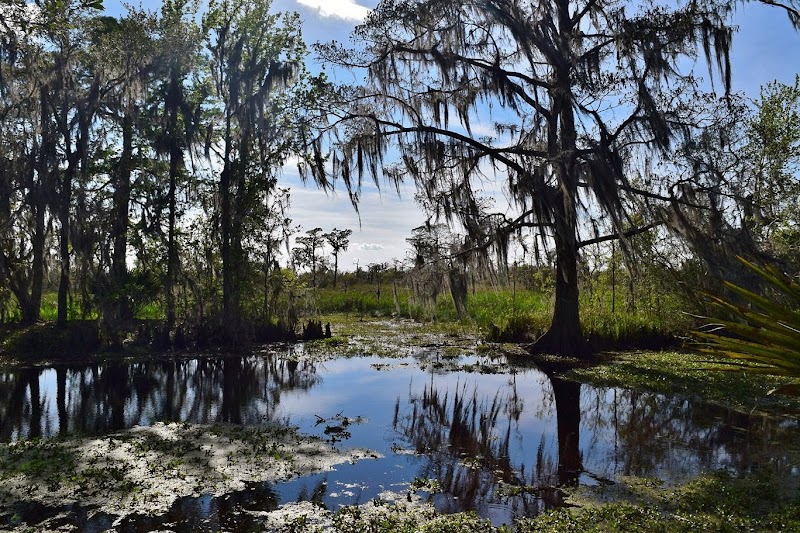
Venture into Louisiana’s swamp and plantation country, where dense waters dare you forward and moss-draped cypress trees lean in to share their stories. Timing your visit is key: the floodplains rise in spring, carving new channels and waking the wetlands, while fall dresses the landscape in deep, golden hues under bright, crisp skies.
Swamp tours typically last around 2–3 hours, floating silently through winding waterways lined by towering trees whose roots clutch the muddy floor below. Expect flat terrain when you disembark for short hikes along levees; distances range from a half-mile to two miles, often on boardwalks or dirt paths with minimal elevation gain. Yet, underfoot, the mud and occasional insects demand sturdy, closed-toe shoes and insect repellent.
Plantation tours provide a different kind of trailhead, more focused on history explored on foot across manicured grounds and forest edges. They’re generally easy walks with little elevation but require comfortable footwear to navigate gravel paths and large grounds stretching up to 2 miles. Morning light reveals intricate architectural detail, while afternoon tours often catch the stirring quiet of ancient oaks whispering with wind.
Humidity hangs thick in summer, pushing the limits of stamina and making early morning or late afternoon the best windows for comfort. By contrast, winter sees cooler, crisper air, reducing bugs and offering clearer skies, though swamp waters may lower, tightening boat access routes. Spring awakens migratory birds and blooming swamp azaleas, a sight as rewarding as it is fleeting.
Before you set out, prepare practically. Hydration packs are essential; the heavy air can drain energy fast. Lightweight, moisture-wicking clothing keeps you cooler, while wide-brim hats and polarized sunglasses shield against sun’s sharp angles. If kayaking or paddling, waterproof bags protect gear as currents nudge and test your hands.
Louisiana’s swamps and plantations run with life, fiercely themselves. Respectful curiosity lets you engage with their stories without disturbing their rhythm. Tours thrive on calm mornings when fog softens the edges and the world seems to hold its breath. The rivers, bayous, and paths invite you into an adventure not just seen, but felt—where nature’s pace teaches patience and reverence.
Plan for changing weather, heed local advice, and come equipped for short hikes and boat rides that move at nature’s will, not your own. This balanced approach maximizes the thrill of discovery without sacrificing preparedness. The bayou and plantation roads don’t just offer a journey; they demand one, where timing and conditions shape what you see—and how deeply you experience it.
Nearby Trips
All Adventures
Boat Charters
Water Activities
Adventures near New Orleans
Discover the unique and memorable adventures that make New Orleans special.
Frequently Asked Questions
What is the best time of day to take a swamp tour?
Early morning is optimal, offering cooler temperatures and more active wildlife. The early fog often adds drama to the scenery and keeps insect activity lower.
Are swamp tours suitable for families with children?
Yes, many swamp tours are family-friendly but require careful supervision due to water and insect hazards. Shorter tours and those using boats are usually the safest and most enjoyable options.
What wildlife can I expect to see on a Louisiana swamp tour?
Expect to encounter alligators, egrets, herons, turtles, and a variety of songbirds. Look for signs of river otters and occasionally, larger mammals like white-tailed deer on plantation grounds.
How difficult are the walking sections of plantation tours?
Plantation tours generally involve easy walking on graveled or paved paths with minimal elevation gain, suitable for most fitness levels.
Can swamp water levels affect tour availability?
Yes, heavy rains or drought can raise or lower water levels significantly. This influences which routes are safe and passable; always check recent conditions before booking.
Are there any environmental considerations while touring these areas?
Respect local conservation efforts by sticking to designated paths and avoiding disturbing wildlife. Many swamps and plantations manage sensitive habitats that require mindful visitation.
Recommended Gear
Waterproof Hiking Shoes
Protects feet from mud and wet conditions, improves grip on slippery surfaces.
Insect Repellent with DEET
Crucial for preventing bites during peak mosquito season.
Hydration Pack or Water Bottle
Keeps you hydrated in humid, hot conditions where dehydration is a risk.
Wide-Brim Hat
Provides shade and helps reduce heat exposure and sunburn.
Local Insights
Hidden Gems
- "Cypress knees formations near the Bayou Lafourche"
- "Quiet backwater channels rarely visited by commercial tours"
- "Historic slave quarters and outbuildings on lesser-known plantations"
Wildlife
- "American alligators"
- "Prothonotary warblers"
- "Louisiana black bears (rare sightings)"
- "Swamp rabbits"
History
"Plantations in Louisiana reflect complex stories of colonial settlement, agriculture, and the legacy of slavery. Many sites offer educational tours that illuminate this history alongside the natural environment."