
Navigating the Logistics of New Orleans’ Water History Walking Tour
Explore New Orleans’ Water History Walking Tour to experience a 3.5-mile journey along historic waterways and urban streets. This pragmatic guide combines sensory highlights with planning tips to prepare you for a memorable, moderately paced urban adventure.
Start Early or Late
The New Orleans heat and humidity can become oppressive midday; plan your walk in the early morning or late afternoon for cooler temperatures and softer light.
Stay Hydrated
Carry at least one liter of water—humidity increases dehydration risk even without obvious exertion in flat terrain.
Wear Breathable Footwear
Choose shoes that drain moisture and grip uneven urban surfaces to prevent slips near wet canal banks or brick sidewalks.
Use a Walking Map App
Download an offline map or app with historical points of interest to enhance your experience, as signage along the route is limited.
Navigating the Logistics of New Orleans’ Water History Walking Tour
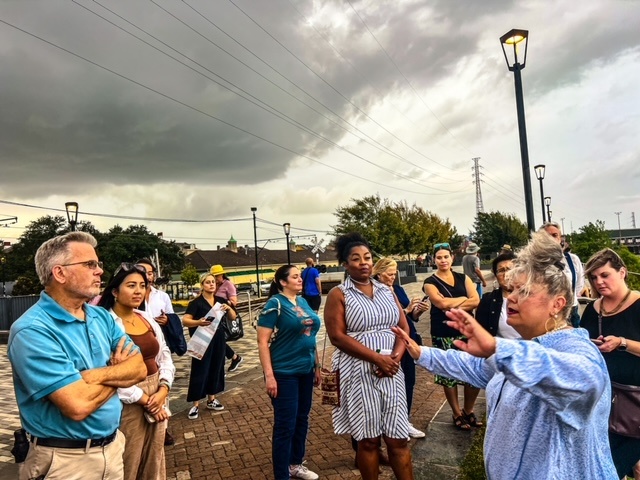
Waters of Katrina History Green Tour
Thw Waters of Katrina changed us forever
Discover how water has shaped New Orleans' past and present with DuPont & Company Tour Experiences. This two-hour journey reveals untold stories of resilience and flood history. Keep reading to learn why this tour offers a fresh perspective on the Big Easy’s watery legacy.
New Orleans’ Water History Walking Tour offers a blend of vibrant cityscapes and rich waterways that challenge you to connect with the city’s fluid past. The tour covers about 3.5 miles on primarily flat urban terrain, following the shifting paths of the Mississippi River and the intricate bayous that shaped the city. Expect an open-air walk that flickers between bustling streets and quiet, reflective spots along the water’s edge—where currents seem to narrate stories of trade, survival, and transformation.
The route is approachable for most walkers but demands awareness of urban surfaces—sidewalks may vary in condition with occasional uneven bricks or wet patches from nearby canals daring you to watch your step. Elevation gain is negligible, but the New Orleans heat and humidity push the challenge beyond simple mileage. Early morning or late afternoon departures help avoid peak sun, and breathable footwear that handles occasional moisture will keep you steady.
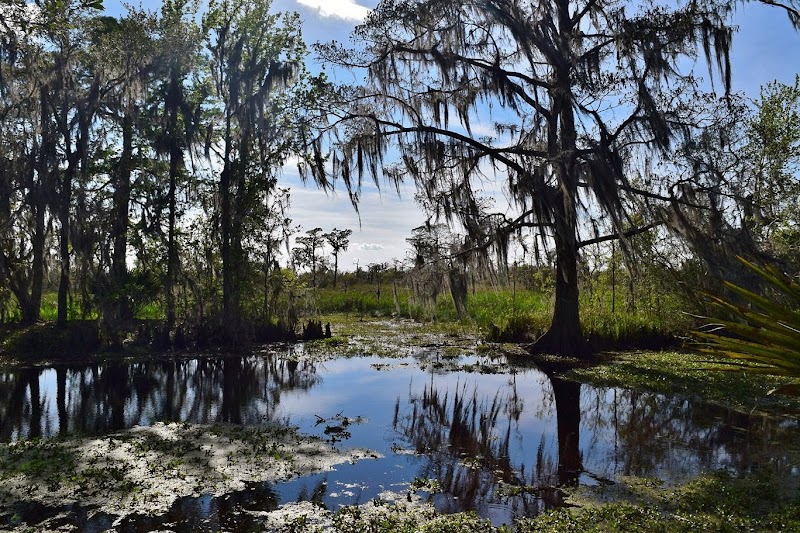
Sites of interest include the Old Basin Canal area, where the water once pulled vessels like a relentless conductor, pushing the city’s commerce forward. On levees that dare the river’s power, your steps trace history under towering cypress branches that lean as if whispering secrets. The French Quarter’s canals shimmer alongside buildings that faced floods and fires, each structure stoic, fiercely itself. Practical advice: bring water, as hydration is crucial with the city’s muggy embrace; lightweight hats and layered clothing ready for sudden weather shifts help you adapt to New Orleans’ mercurial climate.
Navigating public transit offers a smooth start and end point; Jackson Square or Woldenberg Park serve well as trailheads with easy parking and access. Consider a digital map or app to track points of interest—signage on site is informative but sporadic. This walking tour doesn’t just pass through history; it invites you to engage practically and physically, turning the city’s watery veins into a living classroom. Respect the environment—many waterways are still vital and sensitive, with ecosystems that have endured alongside urban growth.
Walking this route balances sensory awakening and mindful preparation, a moderately paced immersion that fills you with the pulse of New Orleans’ watery lifeblood. It’s an adventure where historic currents meet modern footsteps, daring each visitor to grasp the city’s fierce essence through the enduring dialogue of water and land.
Nearby Trips
All Adventures
Boat Charters
Water Activities
Adventures near New Orleans
Discover the unique and memorable adventures that make New Orleans special.
Frequently Asked Questions
Are there restroom facilities along the Water History Walking Tour?
Yes, public restrooms are available near trailheads at Woldenberg Park and Jackson Square, as well as inside some museums and cafes in the French Quarter along the route.
Is the walking tour accessible for strollers or wheelchairs?
Most of the route is flat and paved, but some brick sidewalks and canal edges may be uneven. Accessibility is generally good but with caution advised in areas near water.
Can I take the tour self-guided, or do I need a guide?
Both options are viable. Self-guided tours work well with digital maps and apps, but guided tours offer deeper insights into lesser-known historical contexts and anecdotes.
What wildlife might I encounter on the tour?
Look for urban-adapted species like herons and ibis near waterways, along with occasional turtles basking on logs. City pigeons and squirrels fill the park areas.
Is it safe to walk the Water History Tour at night?
Walking at night is not recommended due to limited lighting along some stretches and increased urban activity. Daylight hours provide the safest and most scenic experience.
How should I prepare for weather fluctuations during the tour?
Pack light layers and a compact rain jacket especially in spring and fall, when sudden showers are possible, and check local forecasts before heading out.
Recommended Gear
Breathable Walking Shoes
Shoes that allow feet to breathe and dry quickly help manage moisture from heat and proximity to water.
Reusable Water Bottle
Hydration is key, especially during warmer months; refill stations available in parks along the route.
Wide-Brimmed Hat
Protects against sun exposure during open stretches near waterways.
Portable Phone Charger
Useful for powering navigation apps and capturing photographic moments throughout the tour.
Local Insights
Hidden Gems
- "The Old Basin Canal remnants near Esplanade Avenue offer quiet spots away from crowds."
- "Explore the lesser-known Lafitte Greenway connecting to the waterways for extended walking."
Wildlife
- "Great egrets and green herons frequent the bayou edges."
- "Watch for American alligators in more secluded waterway pockets away from downtown."
History
"New Orleans’ waterways were the lifeblood of its growth, serving as routes for trade, immigration, and cultural exchange dating back to French and Spanish colonial times."