Navigating Nightfall: Preparing for a Walk Through the French Quarter’s Infamous Districts
Experiencing the French Quarter after dark unveils a layered, electric cityscape where history, culture, and mystery intersect. This guide provides everything you need—from route details to safety tips—to confidently navigate the Quarter’s infamous districts on a night walk.
Choose the Right Footwear
Wear sturdy, closed-toe shoes with good grip to handle cobblestones, uneven pavement, and occasional wet spots near the river.
Stay Hydrated But Legal
Carry a reusable water bottle to stay hydrated, but be mindful of local open container laws prohibiting alcohol on the streets.
Use a Reliable Light Source
Bring a flashlight or use your phone’s torch to safely navigate darker alleys and uneven surfaces after sunset.
Plan Your Route In Advance
Map out safer, well-lit routes ahead of time and avoid sketchy or deserted side streets unfamiliar to you.
Navigating Nightfall: Preparing for a Walk Through the French Quarter’s Infamous Districts
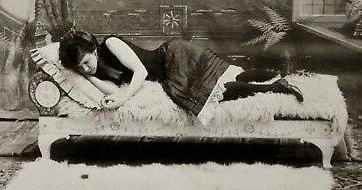
French Quarter Tour - Brothels, Bordellos, and Ladies of the Night
2 Hour • ADULT ONLY Tour
Explore the legendary history of New Orleans' red-light district with a private walking tour. Discover hidden stories, historic landmarks, and the city’s colorful past on this intimate adventure.
There’s a particular charge to stepping onto the gaslit streets of New Orleans’ French Quarter after dark—where history and mystery conspire beneath centuries-old ironwork and worn cobblestones. This night walk stretches roughly 3 miles, flat but with uneven surfaces ranging from cracked pavement to slick patches near the Mississippi River levee. Expect pockets of dim light to dance with shadows, as the Quarter reveals its character not just in the vibrant crowds of Bourbon Street, but in quieter, less traversed alleys where stories whisper through fragrant magnolia and moss-draped oaks.
Timing is critical. Plan to start your walk just after twilight, around 8 PM in spring and summer months, to catch the last blush of sunlight where it lingers on historic facades before plunging into the full, charged darkness. Nighttime humidity presses warmly against the skin—dress in breathable layers and sturdy footwear that grips uneven sidewalks and loose gravel patches near the riverbank walkways.
The French Quarter itself is a living entity, steeped in cultural energy and a restless history that fights for attention. It demands alertness; keep your phone’s flashlight handy and avoid poorly lit side streets unless familiar with the area. Hydration is key—carry a water bottle, but be mindful of local laws restricting open containers on public streets.
While the walk incites curiosity, it challenges you too: the dense clusters of bars and clubs emitting music and laughter contrast the sudden stillness of back alleys where only your footsteps respond to the night’s pulse. This isn’t a conquest but a conversation with a city fiercely itself. Approach with respect and awareness.
Safety tips include traveling in pairs or small groups and planning a route beforehand that prioritizes areas with better lighting and foot traffic. Maps or apps can help, but part of the adventure is letting the Quarter’s character guide you through familiar streets and unexpected corners.
This experience is as much about staying grounded in practical detail as it is about embracing the thrill of discovery. Prepare well, walk thoughtfully, and you’ll find the French Quarter’s infamous districts reveal their stories beneath the cloak of night.

Nearby Trips
All Adventures
Boat Charters
Water Activities
Adventures near New Orleans
Discover the unique and memorable adventures that make New Orleans special.
Frequently Asked Questions
How safe is it to walk the French Quarter at night?
While generally safe in well-trafficked areas, it's important to stay in lit streets, travel in groups if possible, and avoid isolated alleys. Local police patrol heavily the main tourist zones, but vigilance is recommended.
Are there guided night walks available in the Quarter?
Yes, several companies offer guided tours focusing on history, culture, and even the paranormal. Guided tours can provide added safety and deep insights not easily found on solo walks.
What wildlife might I see during a night walk?
Expect urban-adapted animals like raccoons, opossums, and night birds such as owls. On river-adjacent paths, occasional sightings of bats are common, adding to the nocturnal atmosphere.
Is photography allowed during night walks?
Photography is permitted, but use discretion with flash in crowded areas. Historic street lamps and neon pub signs create excellent mood lighting for atmospheric shots.
Can I bring a pet on a night walk in the French Quarter?
Pets on leashes are generally allowed, but check local leash laws and avoid heavily crowded areas for your and your pet’s safety.
What cultural spots are must-sees during a night walk?
Beyond Bourbon and Royal Streets, don't miss Jackson Square, St. Louis Cathedral at night, and hidden courtyards that come alive with jazz musicians and street performers after dark.
Recommended Gear
Comfortable Walkers or Sneakers
Essential for stability on uneven, sometimes slippery surfaces throughout the French Quarter.
Portable Flashlight or Phone Torch
Provides necessary light for dark streets and alleys, increasing safety during night hours.
Light Jacket or Layered Clothing
Fall evenings can chill quickly; dressing in layers helps stay comfortable as temperatures drop.
Reusable Water Bottle
Staying hydrated is crucial in New Orleans’ humid climate, especially during warmer months.
Local Insights
Hidden Gems
- "Pirate’s Alley for quiet reflection and historic architecture"
- "The French Market alleyways with tucked-away artisan shops"
- "Moonwalk along the river levee, offering a silent connection to the Mississippi"
Wildlife
- "Urban raccoons prowling quietly around trash bins"
- "Nighthawks overhead weaving between old oaks"
- "Occasional bats fluttering near the river at dusk"
History
"The French Quarter dates back to the early 18th century and stands as the oldest neighborhood in New Orleans. Its cobbled streets have witnessed centuries of cultural shifts, from colonial trade to jazz’s birth. At night, echoes of these layers seem most palpable, especially in areas once linked to pirate tales and voodoo legends."