
Navigating Safely: Smart Strolling Through French Quarter’s Nearby Neighborhoods
Exploring the neighborhoods surrounding the French Quarter offers a vibrant and authentic New Orleans experience, blending culture, music, and history. This guide provides practical safety tips to ensure your strolls through Tremé, Marigny, and Bywater are both secure and memorable.
Stick to Well-Lit, Populated Routes
Choose streets with active foot traffic and avoid isolated or poorly lit blocks, especially after dusk. This reduces exposure to potential risks and ensures access to help if needed.
Wear Practical Footwear
Opt for closed-toe shoes with good grip to handle uneven pavement and occasional broken sidewalks in these historic neighborhoods.
Carry a Charged Phone and a Simple Map
Maintain communication and spatial awareness by keeping devices ready for quick assistance or navigation adjustments.
Stay Hydrated, Especially in Warmer Months
Humidity can wear on your energy; bring a refillable water bottle to sip regularly, since fountains are limited.
Navigating Safely: Smart Strolling Through French Quarter’s Nearby Neighborhoods
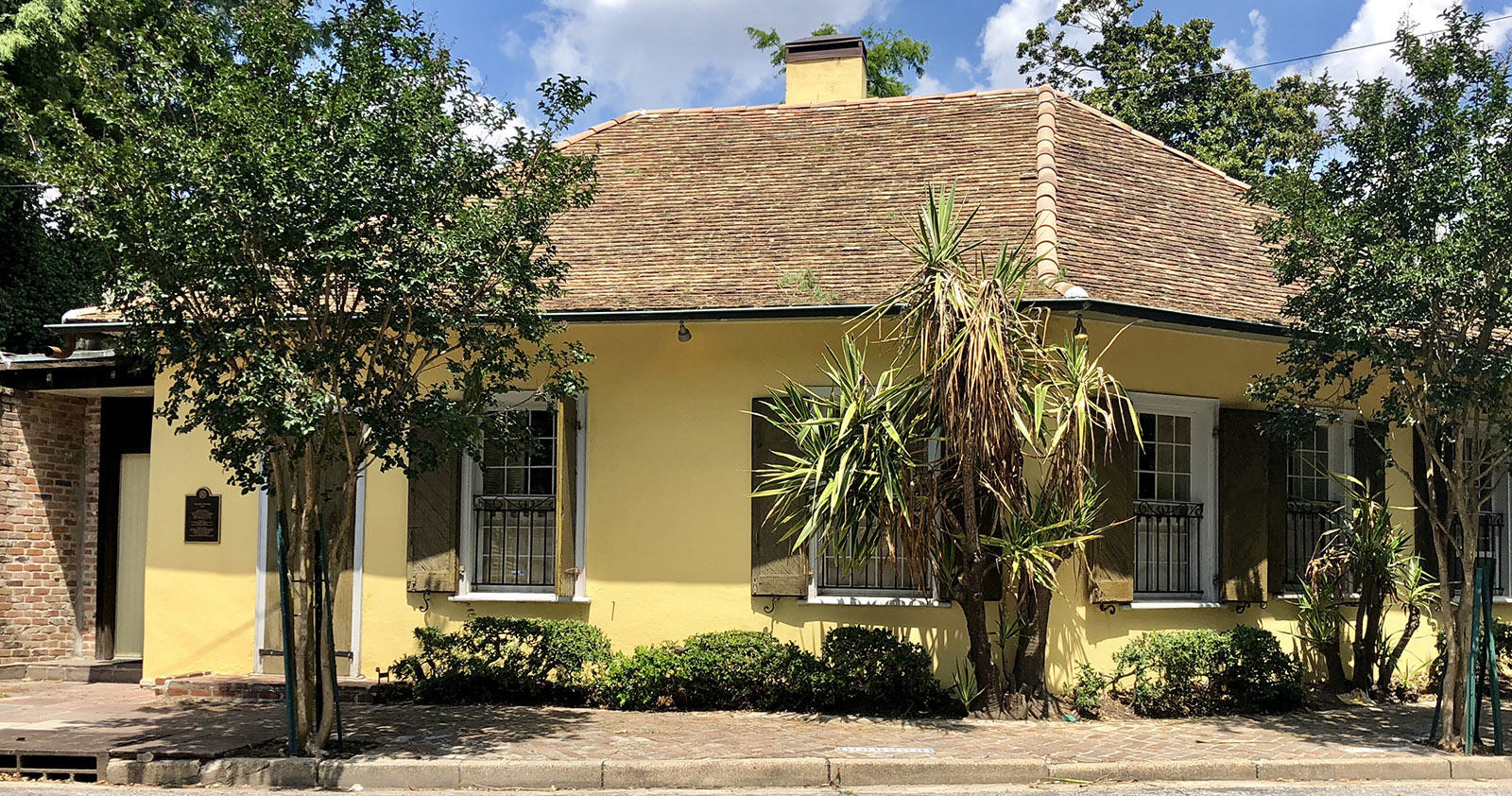
Marigny Tour
$35 per person| 2 hours| Explore a Creole Neighborhood
Discover the vibrant Marigny neighborhood with a guided walking tour that unveils its colorful Creole cottages, historic architecture, and lively musical scene—an essential New Orleans experience. Learn the stories behind the buildings and find out what makes this neighborhood so uniquely charming. Perfect for history buffs and culture lovers alike, this tour weaves in architecture, local history, and the city’s musical heartbeat for an unforgettable outing.
The French Quarter pulses with history and life, but its adjoining neighborhoods offer a quieter rhythm, daring you to explore at your own pace. Venturing beyond the iconic wrought-iron balconies, these adjacent areas—Tremé, Marigny, and the Bywater—invite you to experience New Orleans’ layered character while keeping safety front and center.
Begin with a clear plan: these neighborhoods vary in vibe and activity, and understanding their layout is key. Expect distances between 1 and 3 miles when strolling from the Quarter outwards, mostly flat terrain with well-paved sidewalks, but watch for occasional broken pavement or uneven street corners. These surfaces, though forgiving, demand practical footwear—closed-toe shoes with grip will steady your step and keep you nimble.
Timing your walk is crucial. Daylight hours, especially mid-morning to late afternoon, reveal streets alive with local markets, street musicians, and open cafes. The natural light also reduces your vulnerability, as the neighborhoods fiercely own the night, yet sometimes harbor pockets better approached with awareness or avoided alone. Equip yourself with a charged phone, a simple route map, and inform someone about your plans—these are small acts that compound your security.
Hydration is more than a suggestion during warmer months; the southern humidity leans heavy like a patient sentinel, urging you to sip water regularly. Public water fountains are scarce, so carrying a refillable bottle is a pragmatic move.
Be alert but not alarmed. Streets like Frenchmen Street in Marigny thrive with energy, but in less trafficked spots such as parts of Tremé after dark, local knowledge points to avoiding isolated blocks with empty storefronts or dim lighting. Engage with locals where possible; their insight acts as an informal guide, alerting to daily changes or local events that could influence the atmosphere.
The natural pulse of the city is ever-present: oak trees along Royal Street sway with an almost knowing rhythm, embracing passersby, while the Mississippi’s far-off whispers remind you that this city is perched at a living water’s edge—both welcoming and demanding respect.
In practice, maximize safety by combining the adventure of discovery with simple precautions: choose well-traveled routes, avoid distractions like headphones in unfamiliar areas, and trust your intuition. Navigating these neighborhoods is not about confinement but about meeting the city's fierce personality with respect and readiness.
Strolling here is an invitation to encounter New Orleans’ soul beyond tourist maps. With clear eyes and thoughtful steps, you’ll find these streets welcoming, vibrant, and safe enough to explore with confidence.

Nearby Trips
All Adventures
Boat Charters
Water Activities
Adventures near New Orleans
Discover the unique and memorable adventures that make New Orleans special.
Frequently Asked Questions
Which nearby neighborhood offers the safest walking experience adjacent to the French Quarter?
The Marigny is generally considered safe during the day and popular with locals and tourists alike due to its vibrant arts scene and better lit streets. Tremé offers rich culture but requires more caution at night, and Bywater is increasingly gentrified but can feel isolated in certain blocks after dark.
Are there any lesser-known viewpoints or stops worth visiting during these walks?
Yes, Crescent Park on the edge of Bywater offers sweeping views of the Mississippi River and the New Orleans skyline—a quiet spot less frequented during tourist hours. Inside Marigny, explore the small community gardens tucked between homes for peaceful respites.
What wildlife might I encounter on these urban strolls?
Urban-adapted species like mockingbirds, egrets near the riverfront, and occasional squirrels make appearances. The oak trees provide homes to numerous songbirds, particularly in spring and fall, giving a steady soundtrack to your walk.
How do the historical roots of these neighborhoods influence the safety and walk experience?
Tremé stands as one of America’s oldest African American neighborhoods, its streets echoing layers of cultural resilience. Understanding this history deepens awareness and encourages respectful engagement, which in turn positively influences your experience and safety.
What environmental considerations should visitors keep in mind while exploring?
Respecting private property is crucial as many areas are residential. Littering disrupts the city’s delicate ecosystems and local pride. Always dispose of waste properly and stay on sidewalks and public paths to protect urban green spaces and historic sites.
When is the best time of day for safe and engaging photography walks here?
Early morning light between 7 and 9 AM softens shadows and provides fewer crowds, ideal for crisp shots of architecture and street life. Golden hour before sunset is excellent for capturing the warmth of colorful facades alongside the gentle Mississippi glow.
Recommended Gear
Supportive Walking Shoes
Protects feet from hard, sometimes uneven surfaces encountered throughout the neighborhoods.
Refillable Water Bottle
Ensures hydration in humid climates where water access outside cafes may be limited.
Compact Phone Charger or Power Bank
Maintains communication capabilities during extended walks or unexpected delays.
Light Rain Jacket or Poncho
Prepares you for sudden showers common in spring months without weighing you down.
Local Insights
Hidden Gems
- "Crescent Park in Bywater"
- "Community gardens in Marigny"
- "Historic St. Augustine Church in Tremé"
Wildlife
- "Mockingbirds"
- "Great Egrets"
- "Squirrels"
- "Urban songbirds"
History
"The adjacent neighborhoods to the French Quarter, particularly Tremé, hold deep roots in African American culture and Creole traditions, shaping New Orleans’ unique identity and music heritage."