Mastering the French Quarter: Your Practical Guide to Historic Landmarks
Explore the French Quarter with confidence using this practical guide to its historic landmarks. From Jackson Square to the French Market, discover a walk that balances history with accessible navigation, complete with tips to keep you comfortable and engaged throughout your journey.
Start Early to Beat the Heat
Plan your visit before 10 a.m. to avoid crowds and enjoy cooler temperatures, making walking more comfortable.
Wear Supportive Footwear
Choose sturdy shoes with good grip to handle cobblestones and occasional slick patches in rainy weather.
Carry Reusable Water
Keep hydrated, especially in warmer months, by bringing your own water bottle to stay refreshed throughout the walk.
Take Breaks at Shaded Spots
Utilize benches and cafes along the route to rest and absorb the atmosphere without rushing through the experience.
Mastering the French Quarter: Your Practical Guide to Historic Landmarks
Highlights of the French Quarter Walking Tour
2 Hour Tour • Great Intro to New Orleans
Discover the vibrant French Quarter in New Orleans with Two Chicks Walking Tours. This two-hour guided walk unveils iconic sights, local stories, and hidden gems—perfect for immersing yourself in the city’s rich culture. Keep reading to learn more about this engaging experience.
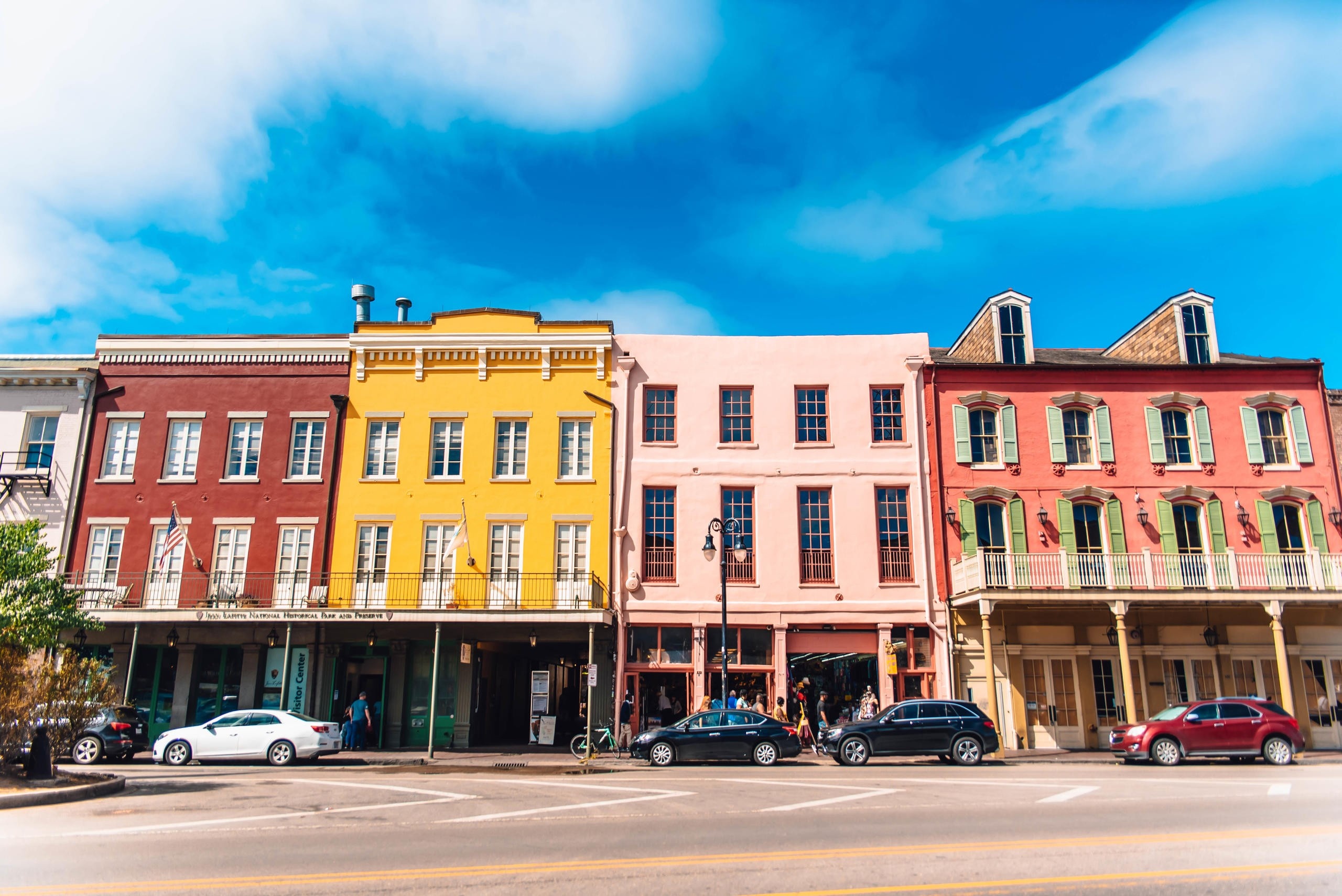
Walking through New Orleans’ French Quarter is like stepping into an open-air museum where history dares you to explore. The district’s narrow streets, roughly 1.6 square miles, are packed with landmarks that tell stories of the city’s colonial past, architectural shifts, and colorful local life. This guide will lead you through the must-see sites, outlining a clear, walkable route that balances immersion with practicality.
Starting at Jackson Square, the heart of the Quarter, you’ll find the imposing St. Louis Cathedral standing firmly over the bustling square. Its three spires point skyward, challenging you to take in the contrast between its steady presence and the vibrant street performers that gather below. From here, a short 0.3-mile walk along Royal Street brings you to the Cabildo and Presbytère—two structures that hold echoes of French and Spanish rule. The terrain here is flat and paved, making it accessible for most visitors, but wear comfortable shoes; cobblestones sometimes remind you of the city’s age.
Next, follow Decatur Street for about 0.5 miles. This path runs parallel to the Mississippi River, whose water seems to push visitors onward with steady currents of history and commerce. Along the way, check out the Old U.S. Mint—it's part museum, part architectural marvel. Ahead lies the French Market, both a place to experience local flavors and a gateway to hidden courtyards and lesser-known passageways that insist on closer inspection.
Navigating these landmarks requires pacing and timing. Mornings before 10 a.m. are ideal—temperatures are cooler, and the streets are less crowded, so you can engage with details like ironwork balconies and weathered shutters that might otherwise be missed. Hydration is key; New Orleans’ heat can press down like a silent challenge. Bring a reusable water bottle and consider lightweight footwear with good support to handle varied surfaces—including occasional slick patches after rainfalls.
This itinerary covers approximately 1.5 miles with no elevation changes, making it accessible for a wide range of fitness levels. Yet, the adventure lies in noticing the landmarks’ unique characters: the iron balconies seeming to lean in with secrets, the bricks pushing upward beneath footsteps, the river daring you to imagine centuries of trade and tales. Respect this space: the Quarter lives fiercely as a place where history breathes freely, refusing to be tamed.
Whether you’re a history buff, a casual urban wanderer, or a seasoned traveler, this structured yet lively walk offers both inspiration and clear logistics. It allows you to experience the city’s heritage with enough guidance to keep you on track and enough space to explore at your own pace. Prepare well, stay aware, and let the French Quarter’s enduring spirit lead you through its storied streets.

Nearby Trips
All Adventures
Boat Charters
Water Activities
Adventures near New Orleans
Discover the unique and memorable adventures that make New Orleans special.
Frequently Asked Questions
Is the French Quarter walk suitable for wheelchairs or strollers?
Much of the French Quarter features flat, paved streets, but some areas have uneven cobblestones that may be challenging. Caution and assistance are advised in those spots, but accessibility is generally good for wheelchairs and strollers along main routes.
Are guided tours necessary to understand the landmarks?
Guided tours provide rich historical context and anecdotes, but with a good map and this guide, you can confidently navigate and appreciate key sites independently.
When do most shops and museums in the French Quarter open?
Most locations open between 9 a.m. and 10 a.m. on weekdays. Weekends can see later openings, especially for cafés and artisan shops.
What local wildlife might be spotted during the walk?
While largely urban, nearby green areas host birds like herons and mockingbirds. Look for fledgling pigeons and the occasional squirrel in pocket parks or near riverfront greenery.
Can I combine this walk with visits to local food spots?
Absolutely. The route passes by iconic eateries and markets where you can sample Cajun and Creole cuisine—perfect for mid-walk breaks.
Is it safer to walk during the day or evening?
Daytime walking is recommended to fully enjoy landmarks and ensure personal safety. Evening visits offer vibrant nightlife but require more caution, especially on less crowded streets.
Recommended Gear
Comfortable Walking Shoes
Essential for handling varied pavement, cobblestones, and occasional slick surfaces.
Reusable Water Bottle
Vital for staying hydrated during warm, humid days typical of New Orleans.
Light Rain Jacket or Umbrella
Useful for spring showers and unexpected rain, keeping you dry without excess bulk.
Sun Hat and Sunscreen
Protect against strong sun exposure while wandering exposed historic plazas.
Local Insights
Hidden Gems
- "The quiet, graffiti-adorned alleyway of Pirate’s Alley, tucked behind St. Louis Cathedral."
- "The historic courtyards inside The Old Ursuline Convent, one of the oldest buildings in the area."
Wildlife
- "Urban-adapted birds such as the Northern Mockingbird and Great Egret near the riverfront."
- "Occasional urban raccoons that sift through discreet trash bins at night."
History
"The French Quarter, established in 1718, holds layers of French, Spanish, Creole, and American influences visible in its architecture and city planning, surviving floods and fire to stand as a living chronicle of New Orleans’ origins."