Mastering Daylight: Timing Strategies for a Lake Pontchartrain Back Bay Catamaran Trip
Maximize every moment of your Lake Pontchartrain Back Bay catamaran trip with smart timing strategies. From the early calm of morning to the vibrant but challenging afternoon winds, learn when to set sail and how to navigate the bay’s shifting moods for a safer, more enjoyable adventure.
Check Morning Wind Patterns
Start your trip early when winds tend to be lighter, ensuring easier sailing and better control over your catamaran.
Use Polarized Sunglasses
Reduce glare off the water’s surface to spot shallow areas, underwater vegetation, and navigate safely.
Monitor Tide and Current Schedules
Align your departure with favorable tides to make the most of currents that can assist your journey or avoid fighting against them.
Hydrate Frequently
Salt air, wind, and sun drain your energy—carry ample water and sip regularly to maintain focus and stamina.
Mastering Daylight: Timing Strategies for a Lake Pontchartrain Back Bay Catamaran Trip

20' Back Bay Catamaran
Up to 10 passengers | Half Day: $209 | Full Day: $309
Set sail on a relaxing 20' Back Bay Catamaran at Salty Sam’s Marina in Fort Myers Beach. Perfect for small groups, this trip offers scenic views, wildlife sightings, and a seamless day on the water. Discover why this experience is a favorite for beachgoers seeking an authentic Gulf Coast adventure.
The restless waters of Lake Pontchartrain’s Back Bay awaken just as dawn stretches its fingers across the sky. To make the most of a catamaran trip here, timing is your strongest ally—daylight isn’t just light; it shapes every curve of the journey. From the moment the sun kisses the horizon, the bay’s currents start to push forward, urging you to read the wind and water like an open map.
Planning your trip early means catching the bay at its calmest. Morning winds generally settle, offering smoother passage and better control over your catamaran’s sleek form. The 8 to 10-mile routes around the bay reveal changing hues of blue and green, while the low angle of the sun ignites the water’s shimmer—perfect for both navigation and scenic immersion.
Midday often brings unpredictable gusts as the sun climbs high, pulling warm air and stirring ruffled waves that challenge even experienced sailors. Timing your departure to avoid peak afternoon winds minimizes risk and maximizes enjoyment. Keep an eye on local wind forecasts and tide tables closely; currents and winds sometimes conspire, either to speed your craft home or test your endurance.
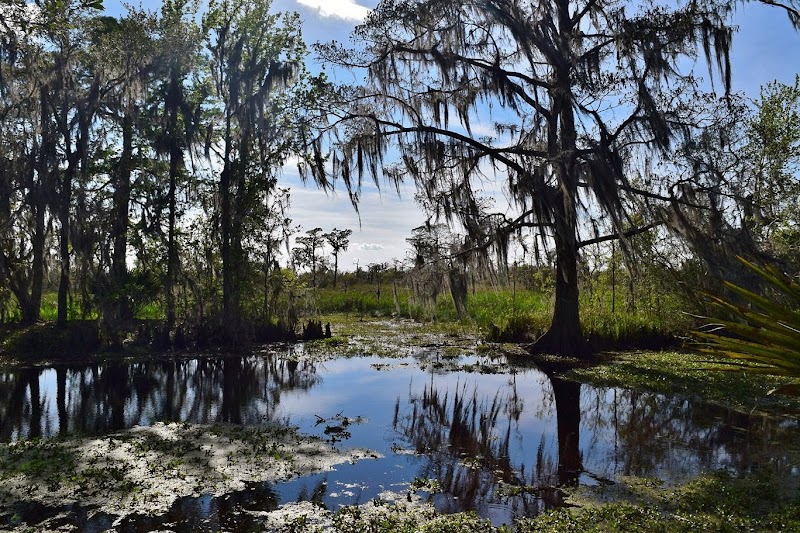
Late afternoon light offers a softer approach to the bay’s edges where marsh grasses lean and coy birds watch your approach. It’s prime time for wildlife spotting, but beware—dusk also slips in swiftly, and with it, the bay tightens its grip by cooling and darkening. Plan your return to a solid buffer before sunset. The fading light makes navigation trickier; familiar landmarks become shadows daring you to trust your skills.
Practical preparation complements your timing strategy. Wear quick-drying layers to adjust to temperature swings between morning chill and afternoon warmth. Hydration is crucial—salt air and sun conspire to drain energy quickly. Invest in polarized sunglasses to cut glare, sharpening your view of the shallow channels and unexpected eddies where the bay tells its secret stories.
Your timing shifts the rhythm of this adventure. Leave too early or too late, and you wrestle with growing winds or dimming light. Leave at the right moment, and you engage the bay as a living partner, where every gust and current whispers direction, testing your skill and patience. This experience isn’t about conquering water; it’s an invitation to move with a landscape fiercely itself—fluid, unpredictable, and endlessly rewarding.
Nearby Trips
All Adventures
Boat Charters
Water Activities
Adventures near New Orleans
Discover the unique and memorable adventures that make New Orleans special.
Frequently Asked Questions
When is the best time of day to start my catamaran trip on the Back Bay?
Early mornings, just after sunrise, are ideal because winds are generally calm, offering smoother sailing and better control. Starting late afternoon risks stronger winds and sunset conditions that reduce visibility.
How do tides affect navigation in Lake Pontchartrain's Back Bay?
Tides influence water depth and current speeds. Planning trips around high tides can help you access shallower channels more safely, while outgoing tides may speed your return under certain wind conditions.
What wildlife might I see during the trip?
Expect to spot great egrets, herons, osprey, and occasionally dolphins near the bay's marsh edges. Dawn and dusk increase chances of sightings as animals become more active.
Are there hidden spots or viewpoints worth exploring?
Yes, the southern marsh channels reveal quieter coves where birdlife gathers, and the natural levees provide small islands where light patterns create excellent photo opportunities.
What should I do if the wind picks up unexpectedly?
Adjust your sails promptly to maintain balance and course; head into the wind to reduce speed, and consider finding shelter behind marsh banks until conditions ease.
Is nighttime sailing recommended on the Back Bay?
No, navigating after dark is risky due to limited visibility and rapidly cooling temperatures. It’s best to complete your trip well before sunset.
Recommended Gear
Quick-Drying Apparel
Keeps you comfortable through temperature swings and splashes of saltwater.
Polarized Sunglasses
Enhances visibility by cutting surface glare, crucial for spotting hazards and guiding navigation.
Waterproof Layer
Helpful in spring showers and sudden weather changes to stay dry and warm.
Hydration Pack
Allows hands-free water access while managing the catamaran, keeping hydration consistent.
Local Insights
Hidden Gems
- "Unnamed tidal pools near the southern marshes offer quiet wildlife viewing"
- "Small oyster reefs break the surface, creating micro-ecosystems"
- "Historic remnants of fishing cabins can be spotted along the western shoreline"
Wildlife
- "Brown pelicans patrolling low over the water"
- "American alligators occasionally resting on marsh islands"
- "Migratory songbirds passing during spring and fall"
History
"The bay area was once home to fishing communities whose livelihoods were intertwined with the bay’s rhythms; several local names preserve this heritage linked to Cajun and Creole cultures."