Shell collecting along Naples’ Gulf Coast beaches provides a satisfying mix of adventure and discovery, shaped heavily by the changing seasons. From spring’s gentle tides to fall’s dynamic shifts, knowing when to visit enhances your chance to find shells that reflect the Gulf’s restless energy.
Time Your Visit Around Low Tide
Low tides expose the widest stretch of beach, revealing more shells. Use a tide chart to plan your visits during morning or evening low tides for best results.
Wear Supportive Waterproof Footwear
The beach terrain varies from soft sand to sharp shell fragments. Sturdy footwear protects your feet and provides traction on slippery surfaces.
Bring Sun Protection and Hydration
Naples’ sun intensifies especially in summer. A hat, sunscreen, and plenty of water keep you safe during longer shelling sessions under the open sky.
Explore Beyond Busy Beaches
To find rare shells, venture toward less frequented coves or stretches of beach where ocean currents deposit new treasures with less disturbance.
Seasonal Shell Collecting Along Naples Beaches: Timing Your Coastal Treasure Hunt
Shelling Trip
All Ages • 2-3 Hours • Up to 6 People
Join Bonita Boat Tours for a leisurely shelling adventure on the stunning shores of Bonita Springs. Discover beautiful shells, enjoy the sun, and create lasting beach memories on this guided trip through Florida’s Gulf Coast.
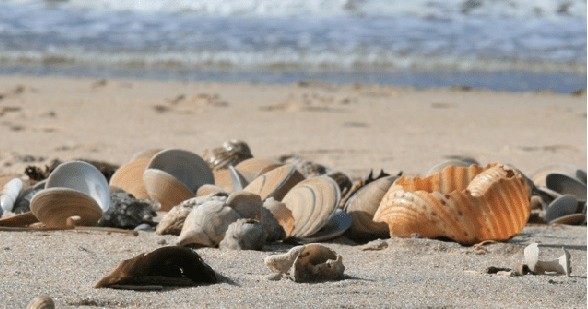
Naples, Florida's beaches offer a unique canvas for shell collectors who know that timing and conditions shape the bounty laid bare by the tides. The Gulf of Mexico’s currents act as a steady agent, depositing seashells along miles of white sand, but this natural process shifts dramatically with the seasons. Planning your shell collecting here requires more than just heading to the shore—it demands understanding the interplay between seasonal weather patterns, tidal behavior, and beach erosion.
In spring, the Gulf’s wake becomes a quiet companion with mild winds and warming waters, allowing for longer, leisurely hunts. The beaches are lined with fragile, vibrant shells caught in the soft morning light. Early morning walks pay off, as low tides expose more shoreline and the sun stays low enough to reveal intricate shell details without harsh glare. The terrain ranges from hard-packed sand near the water’s edge to finer, powdery stretches farther up the beach, all offering different styles of shell deposition.
Summer transforms the scene. The sun governs the daylight hours, pushing temperatures upward and inviting afternoon storms to stir the waters. Shells here shift frequently, sometimes buried beneath fresh sand or tumbled by thunderstorms. Early mornings remain ideal for collecting before heat and humidity become intrusive, so hydration and sun protection become priority gear. Beaches can see more visitors, so spotting rare finds means moving off the most trafficked areas, where the ocean still gathers and deposits new treasures.
Fall arrives with a shift in currents and the approach of migrating marine life. This season carries the Gulf into a transitional phase; stronger winds and occasional tropical storm activity reshape the shoreline and expose fresh layers of shells. Cooler temperatures make longer hauls along the shore more comfortable, but one must remain mindful of sudden weather changes. This is one of the best times for larger shells pushed in by rougher seas and for those interested in the edges where shells meet seaweed and driftwood, often sheltering unusual specimens.
Winter brings a quieter gulf, where colder waters slow marine activity and shell variety narrows. Beaches are less crowded, offering solitude, but lower tides can be shorter and less revealing. The sand firms up, making longer walks easier on the feet but limiting deep shell searches. However, winter storms can rearrange shell deposits dramatically overnight, rewarding the vigilant early riser with freshly uncovered finds.
In every season, the tide is your greatest guide—choose low tide windows to maximize exposed seafloor and watch the Gulf’s currents as they pace the day’s delivery. Footwear with good grip and waterproof qualities is essential as the shore can be a mix of slick shells and shifting sand. A reusable bag or bucket for collection makes logistics simple, and a compact field guide ensures you can catalogue your finds accurately.
Naples’ beaches are fiercely themselves—ever shifting, alive with forces that reward respect and patience. Whether you’re after delicate augers in spring or robust conchs in fall, knowing when and how to approach this coastal adventure makes all the difference. Prepare well, tread lightly, and every walk can feel like a short expedition into the Gulf’s treasury.
Nearby Trips
All Adventures
Boat Charters
Water Activities
Adventures near Naples
Discover the unique and memorable adventures that make Naples special.
Frequently Asked Questions
When is the absolute best time of day to collect shells in Naples?
The best time is typically during 1-2 hours around low tide, usually early morning or late afternoon. This window reveals the widest shoreline and maximizes your chances of discovering freshly deposited shells.
Are there any regulations for collecting shells on Naples beaches?
While casual shell collecting is generally allowed, collectors should avoid protected wildlife habitats and refrain from removing living organisms. Be mindful of local conservation rules designed to protect fragile ecosystems.
What types of shells are most commonly found on Naples beaches?
Common finds include coquinas, cone shells, sundials, and various types of auger shells. Larger shells such as whelks or even conchs may appear seasonally after strong Gulf currents.
What hazards should I watch for while shell collecting along Naples’ shore?
Beware of sharp shells that can cut skin, unstable sand near water edges, and sudden weather changes, especially during storm season. Also, watch for jellyfish washed ashore.
Are there lesser-known spots near Naples good for shell hunting?
Yes, areas like Clam Pass and Barefoot Beach Preserve offer quieter shores where currents deposit unique shells, especially away from crowded central Naples beaches.
How can I identify shells I find on the beach?
Bringing a compact local shell guide or using a smartphone app designed for seashell identification can help. Taking clear photos and noting size, color, and shape aids in later research.
Recommended Gear
Waterproof Sandals or Trail Shoes
Protects feet from sharp shells and wet sand while providing traction on slippery surfaces.
Wide-Brim Hat
Shields face and neck from strong Florida sun during the hottest months.
Reusable Shell Bag or Bucket
Allows for easy transport and sorting of freshly collected shells without damage.
Compact Tide Chart or App
Helps track low tide windows to maximize beach exposure for shell collecting.
Local Insights
Hidden Gems
- "Clam Pass Park boardwalk leads to less trafficked shell-rich beaches."
- "Barefoot Beach Preserve offers natural dunes and diverse shell layouts."
Wildlife
- "Look for ghost crabs scuttling across the sand and ospreys circling overhead."
- "Sea turtles occasionally nest here; respect marked areas during nesting season."
History
"Naples’ coastline has served generations of coastal dwellers, including the Calusa tribe, who valued shells for tools and decoration. Modern conservation efforts preserve these cultural ties and the natural landscape alike."