
Timing Strategies for Maximizing Scenic Views During Wine Transportation in Napa County
Wine transportation in Napa County is more than a logistical task—it's an opportunity to engage with one of California’s most beautiful landscapes. Discover how timing your journey can maximize scenic views, highlighting key moments of light, elevation, and weather to elevate your experience on the road or trail.
Start Early for Clearer Views and Less Traffic
Morning travel, especially in spring and fall, offers crisp light and quieter roads, making for a smoother and more scenic transit.
Pack Hydration and Grip-Focused Footwear
Whether hiking or cycling between transportation points, staying hydrated and wearing shoes with good traction on gravel or paved vineyard roads is crucial.
Adjust Pace to Landscape and Weather
Move purposefully but not hurriedly. Slower travel during hazy or windy conditions encourages noticing subtle changes in the environment.
Plan for Shorter Daylight In Winter
Winter’s brief light hours require early starts and awareness of fading light to catch dramatic skies and avoid rushed or unsafe travel.
Timing Strategies for Maximizing Scenic Views During Wine Transportation in Napa County

Wine Tour Transportation
Wine Tour Day Transportation • Up to 14 People
Discover the flavors of Sonoma with a private wine tour that offers scenic vineyard visits and tastings—all from the comfort of exclusive transportation. Perfect for celebrating or relaxing in wine country, this experience combines ease with authenticity.
In Napa County, the journey of wine transportation is a dynamic interaction between movement and landscape, where timing becomes key to unlocking the most vivid and rewarding views along the route. From vineyard-laced rolling hills to the shimmering light that turns grape clusters golden, the experience hinges on knowing when to be on the road or trail to catch nature’s show at its peak.
The corridor skirting Napa’s famed wine roads winds through elevations ranging from 100 to about 1,500 feet, offering frequent vantage points where vineyards stretch like living mosaics. The ideal times to navigate these paths—whether by truck, bike, or foot—capitalize on how light and weather shape the scenery. Early mornings in late spring and fall bring the best conditions: cooler air, soft sunrays that silhouette leaves and dew-drops daring your eye to catch their sparkle.
Starting your wine transport runs at dawn rewards with clarity and less traffic, turning the ride into an alert dance with the landscape. Elevation changes of roughly 500 feet per few miles provide natural lookout spots where the shifting sun sculpts vines and valleys in crisp relief. Afternoons in summer, by contrast, often carry haze and heat that soften distant views, while the intensity of light can flatten details of the terrain.
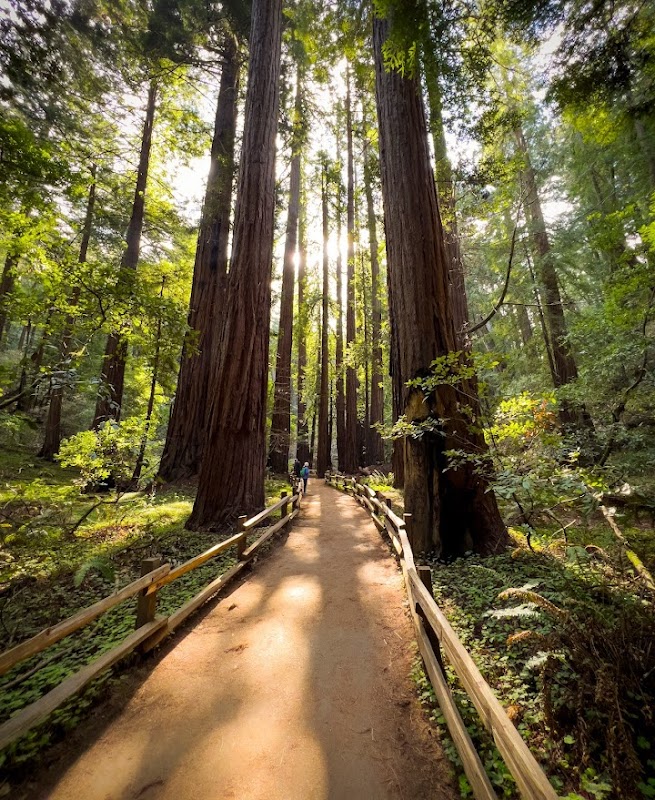
For those on foot or bike, timing hikes or segments during the golden hour affords the most vivid textures: the trunk bark seeming to pulse with warmth, hillsides flickering under the gentle push of afternoon breezes. Practical prep matters here—hydration gear and footwear with solid grip on gravel or paved vineyard roads keep you steady, while timed breaks let you savor views without rushing.
In winter months, short daylight hours shift timing windows but reward with dramatic, cloud-etched skies that frame dormant vines. Driving or cycling with tempered speed enhances the experience, as slow movement invites you to catch subtle shifts in light and shadow as the landscape asserts itself, fiercely itself.
Wherever you are along Napa’s wine corridors, working alongside natural rhythms—light, weather, elevation—elevates the journey into something more than transport. It becomes an active conversation between traveler and terrain, a measured engagement with a landscape that’s both a producer of celebrated wines and a canvas of unfolding beauty. Plan your timing with these patterns in mind to transform logistics into an adventure of sight and sense.
Nearby Trips
All Adventures
Boat Charters
Water Activities
Adventures near Napa
Discover the unique and memorable adventures that make Napa special.
Frequently Asked Questions
When is the best time of day to transport wine to maximize scenic views?
Early mornings, especially during spring and fall, are optimal. The soft sunlight enhances landscape details and the roads are less busy, making for safer and more rewarding travel.
Are there specific vineyards or lookout points that provide better views during wine transportation?
Yes, locations around Mount Veeder Road and Silverado Trail offer elevated overlooks where vast rows of vines and the valley converge into striking panoramas.
What weather conditions should I watch for to avoid poor visibility during wine transport?
Morning fog in spring and early summer can obscure views temporarily, and summer heat haze may soften distant details. Checking local weather forecasts helps timing your journey to avoid these.
Is hiking or cycling between wine transport points feasible?
Both are possible on several paved vineyard roads with manageable elevation changes. Ensure you have sturdy footwear or a reliable bike, and plan hydration carefully.
How do seasonal changes affect road conditions during wine transport?
Harvest season (late summer to fall) brings increased vehicle and pedestrian traffic, while winter rains might affect gravel road stability, requiring careful timing and slower travel.
Can I encounter wildlife during wine transport routes?
Yes. Deer and various bird species are common near vineyard edges. Early mornings and evenings increase chances of spotting these animals, so stay alert but respectful.
Recommended Gear
Hydration Pack
Critical to stay hydrated in warmer months especially when on foot or bike during wine transport segments.
Sturdy Hiking or Cycling Shoes
Provides traction and support over vineyard road gravel and paved sections.
Light Layered Clothing
Allows adjusting to chilling mornings and warming afternoons during transport.
Portable Camera or Smartphone
To capture fleeting light and scenic highlights during transit across varied terrain.
Local Insights
Hidden Gems
- "Knights Valley lookout spots along Petrified Forest Road offer quiet, expansive views away from main traffic corridors."
- "Small cave openings in rock outcroppings near Atlas Peak offer unexpected natural curiosities."
Wildlife
- "Mule deer graze quietly in vineyard edges at dawn and dusk."
- "Red-tailed hawks circle thermals above rolling hills, signaling healthy ecosystems."
History
"Napa County’s wine roads trace back to early 19th-century ranches, evolving along former trade routes that linked isolated vineyards to market towns."