Staying Comfortable and Safe on a 6-Day Yountville Bike Trip
Embark on a six-day cycling adventure through Yountville’s rolling vineyards and lush country roads. This guide balances excitement with practical advice for staying comfortable and safe—from hydration tips to gear recommendations—ensuring your trip captures Napa’s spirit without compromise.
Hydration Is Key
Carry ample water and plan refill stops in towns like St. Helena to avoid dehydration on hot Napa afternoons.
Use Layered Clothing
Expect cool mornings and warm afternoons; breathable layers and a windbreaker help keep you comfortable throughout the day.
Maintain Bike Readiness
Bring a compact repair kit with patch kits, mini-pump, and multi-tools to tackle common mechanical issues on backroads.
Plan for Limited Light
Carry a reliable headlamp since some days might extend into dusk, especially when navigating unfamiliar terrain.
Staying Comfortable and Safe on a 6-Day Yountville Bike Trip

6-Day Bike Rental | Yountville
Adult bikes starting at $226.80 | 30% Discount!
Discover the beauty of Napa Valley on two wheels with a 6-day bike rental in Yountville. From scenic vineyard routes to charming town stops, this adventure offers a perfect balance of exploration and relaxation.
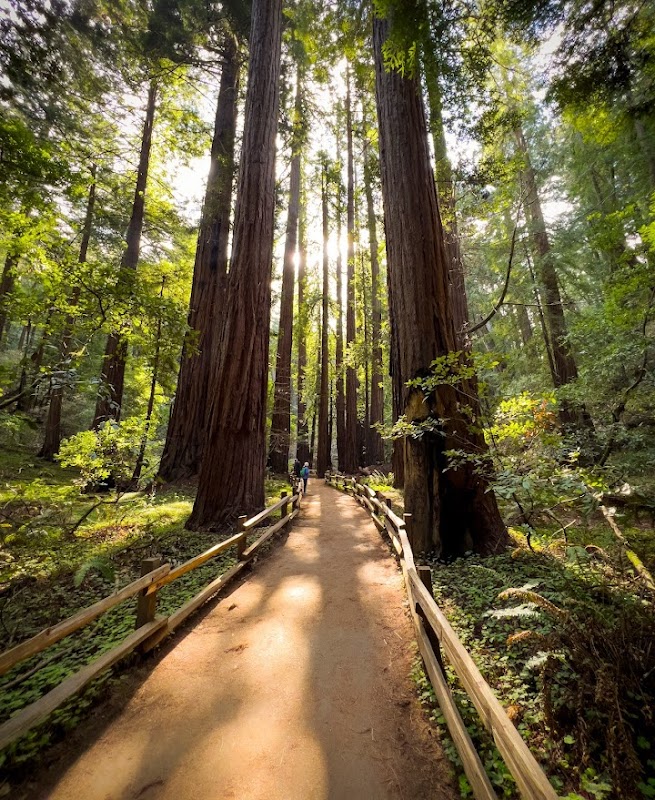
Yountville’s rolling vineyard-studded hills and quiet country roads invite you into an immersive six-day cycling journey that combines rugged adventure with Napa Valley’s refined charm. Cover roughly 200 miles of terrain ranging from smooth asphalt to some gravel sections, with daily elevation gains averaging 1,500 feet—enough to challenge but not overwhelm. The route weaves through tight forested groves where oaks sway as if keeping pace, vineyards that bask under a persistent sun daring you to push onward, and gentle river bends whose currents seem to whisper encouragement.
Maintaining comfort across these varied environments calls for preparation: hydration is crucial, especially as temperatures climb midday. Carry more water than you think you need and plan stops in towns like St. Helena or Oakville where refills await. Layer your clothing; mornings may start cool, with mist clinging to shaded paths while afternoons bake under clear skies. Breathable fabrics paired with a good windbreaker cover shifting conditions without adding bulk.
Footwear matters as well. Opt for sturdy, well-ventilated cycling shoes with reliable grip to manage both road and light off-pavement patches. Frequent breaks to stretch legs and allow feet to breathe will keep fatigue at bay and banish numbness.
Safety rides tandem with comfort here. Always signal your moves clearly when sharing narrow country lanes with traffic and keep your headlamp ready for unexpected dusks—it’s not uncommon for a day's ride to stretch later than planned. Carry a basic toolkit including patch kits, a mini-pump, and multi-functional wrenches; mechanical trouble in the Napa backroads can stall your progress if unprepared.
Mind the pace—and the environment. The terrain can turn fiercely itself on you: steep climbs demand energy management, while descents test your handling skills as you ride past vineyards that gaze with watchful quiet. Respect the land’s rhythms, and allow yourself time to absorb the changing vistas.
Every day ends in Yountville’s inviting town center, a place where replenishing your body with farm-to-table flavors or a peaceful spa treatment is part of the journey. This balance of vigorous physical activity and restorative comfort completes a cycling adventure crafted for those who want to experience Napa with both eyes wide open and preparation finely tuned.
Nearby Trips
All Adventures
Boat Charters
Water Activities
Adventures near Napa
Discover the unique and memorable adventures that make Napa special.
Frequently Asked Questions
What is the average distance covered each day on the trip?
Cyclists typically cover around 30 to 35 miles daily, with elevation gains averaging 1,500 feet. This distance balances challenge with time to enjoy stops without rushing.
Are there lodging options along the route?
Yes, towns like Yountville, St. Helena, and Oakville offer a range of accommodations, from cozy inns to luxury resorts, providing practical rest points after each day’s ride.
Which sections of the route may require extra caution?
Gravel patches near the river bends and some narrow country roads shared with vehicles demand heightened attention. Use lights and signaling, especially during low light.
Can the trip be done year-round?
While possible year-round, spring through fall is best due to milder weather and longer daylight. Winter can bring rain and cold, making some sections slippery and less comfortable.
Are there any must-see viewpoints or local features?
Don’t miss the overlook at Sugarloaf Ridge for sweeping vineyard panoramas and the quiet Napa River corridors where wildlife often glimpses at the roadside.
What wildlife might I encounter?
Keep an eye out for deer, hawks circling overhead, and occasional foxes darting through vineyards. Early mornings and dusk are peak times for wildlife sightings.
Recommended Gear
Hydration Backpack
Keeps water accessible and frees up hands, vital in hot conditions for steady hydration without stops.
Multi-tool and Repair Kit
Essential for quick fixes to flat tires or minor mechanical issues on remote roads.
Cycling Shoes with Breathable Soles
Footwear that balances support and ventilation helps maintain comfort over mixed terrain and long days.
Light Windbreaker
Protects against chill and wind during early mornings and late evenings on exposed hills.
Local Insights
Hidden Gems
- "The lesser-known Rutherford Cross hiking trail, offering elevated views without the usual crowd."
- "Quiet picnic spots along the Napa River where the water tempo dares you to pause and catch your breath."
Wildlife
- "Red-tailed hawks soaring above vineyards."
- "North American river otters playing near calm river stretches."
History
"Yountville’s cycling routes trace roads once used by early settlers and vintners, connecting present-day adventure with a landscape shaped over a century of agriculture and craftsmanship."