Navigating Napa & Sonoma Wine Tours Through Unpredictable Weather
Napa and Sonoma’s wine country invites exploration beyond tasting rooms—through trails and changing weather that shape the region’s unique charm. Preparing wisely for variable conditions ensures your wine tour is as refreshing as the wines you sample.
Layer Up for Shifting Temperatures
Bring breathable, lightweight layers to adjust from cool mornings to warm afternoons effortlessly.
Hydrate Before and During the Tour
The combined effect of sun and alcohol can dehydrate quickly; carry water and sip regularly.
Choose Footwear with Grip
Uneven gravel paths and occasional mud demand sturdy shoes that offer solid footing without sacrificing comfort.
Plan Tastings Around Weather Windows
Book morning tours or shaded wineries to avoid intense midday sun or possible afternoon showers.
Navigating Napa & Sonoma Wine Tours Through Unpredictable Weather
Request a Tour
Tour Request! | Select the tour that interests YOU!
Discover the artistry of California’s premier wine regions with a personalized tour from Max Napa Tours. Designed around your preferences, their trips showcase the area’s best vineyards and hidden gems. Read on to learn why this experience stands out in San Francisco’s wine scene.
Napa and Sonoma, California’s famed wine country, offer more than just world-class vineyards; they present an outdoor adventure shaped by the land’s rhythms and the unpredictability of its weather. As you plan your wine tours, understanding how to prepare for variable weather conditions can transform your experience from frustrating to seamless.
The wine regions extend over rolling hills with elevation changes averaging 300 to 700 feet, inviting gentle hikes between tasting rooms, vineyard rows, and shaded picnic spots. Trails weave through oak-studded hillsides and alongside creek beds, which come alive or recede depending on recent rains. The terrain shifts between firm dirt paths and occasional loose gravel, demanding stable footwear.
Spring mornings often bring cool mist draping entire valleys — a chill that fades by noon but lingers enough to recommend layers. Summers bake the earth with daytime temperatures often hitting the high 80s to low 90s, intensifying the sun overhead despite the welcome breeze stirring the grapevines. Fall wraps vineyard clusters in crisp air, the occasional fog rolling in to sharpen the landscape's contrasts, while winter may surprise with showers turning trails slippery.
Hydration is critical. Carry a 1-liter water bottle per person, and plan wine tastings strategically to avoid dehydration. Sun protection isn’t optional: wide-brim hats and sunscreen guard against the relentless sun pushing you forward. Footwear should combine comfort and grip—something to steady you during dirt hikes and withstand dusty or slick patches.
Timing your day makes a difference. Mornings between 9 a.m. and 11 a.m. offer soft light for photos and fewer crowds, while afternoon highs call for breaks in shaded winery patios. The beauty is in engaging with each vineyard’s aggressively unique personality: some vines soak eagerly in sun, others shelter under Pacific breezes that dare you to keep pace.
Preparing for changing conditions means packing light but smart: a waterproof and breathable outer layer for surprise showers, layered shirts for shifting temperatures, and a compact daypack to keep essentials close.
Take the challenge not as resistance but as partnership with a land fiercely itself — where sun, wind, and occasionally rain command respect. Your Napa and Sonoma adventure is not just about savoring wines but reading the landscape with purposeful readiness, so every sip and step fits perfectly into the day’s unfolding story.
Nearby Trips
All Adventures
Boat Charters
Water Activities
Adventures near Napa
Discover the unique and memorable adventures that make Napa special.
Frequently Asked Questions
How do I handle tastings if the weather suddenly changes?
Most wineries have indoor tasting rooms or covered patios—plan shorter vineyard walks and book reservations that allow quick access inside if rain or wind arrives. Always carry a light waterproof layer.
Are there quiet hiking spots around the vineyards?
Yes, places like Bothe-Napa Valley State Park and areas around Sugarloaf Ridge in Sonoma offer less-trafficked trails that intersect with vineyard views, allowing peaceful exploration in natural settings.
What wildlife might I encounter during a wine tour hike?
Watch for quail darting through brush, red-tailed hawks soaring overhead, and the occasional black-tailed deer moving silently along wooded edges. Early mornings and late afternoons are best for wildlife spotting.
Is it safe to hike while enjoying wine tastings?
Moderate hiking combined with responsible wine sampling is feasible, but pacing yourself and drinking water frequently is essential. Avoid challenging terrain immediately after tastings.
Which local historical sites complement wine touring?
Visit historic wine train routes, old mill sites near Napa, or Sonoma’s mission-era landmarks—each adds cultural depth to the sensory vineyard experience.
How do weather patterns affect vineyard activities?
Weather influences grape development and harvest timing, with fog cooling grapes, rain increasing soil moisture, and summer heat ripening clusters faster. Touring during harvest offers a vibrant view of this cycle in action.
Recommended Gear
Layered Clothing
Allows quick adjustment to fluctuating temperatures, from cool dawns to warm afternoons.
Sturdy Hiking Shoes
Provides grip and comfort on mixed gravel dirt trails that can shift with weather.
Reusable Water Bottle
Keeps hydration levels stable, especially in sun-drenched heat combined with wine tastings.
Light Waterproof Jacket
Protects against sudden showers and wind chills common in cooler months.
Local Insights
Hidden Gems
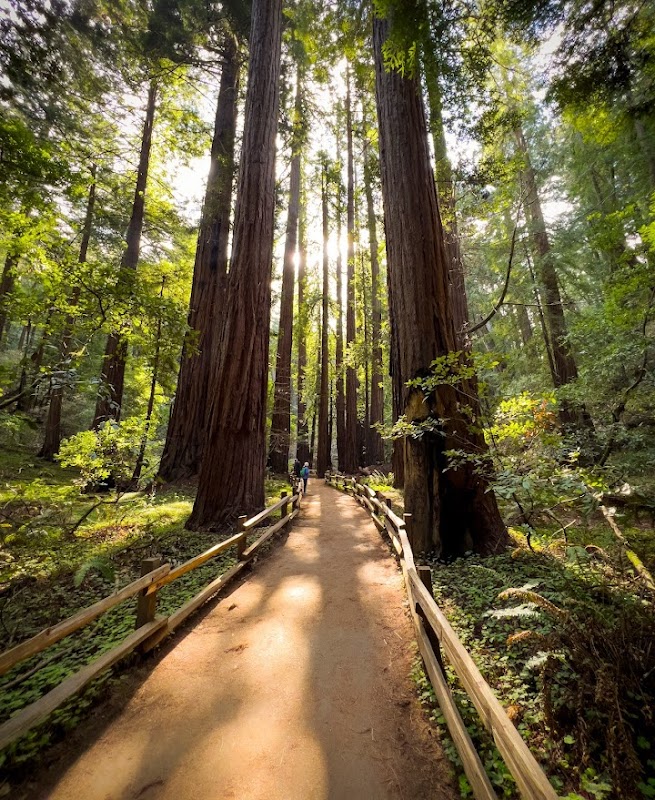
- "Bothe-Napa Valley State Park’s Redwoods Trail for shaded respite"
- "Cornerstone Gardens in Sonoma for offbeat vineyard art installations"
Wildlife
- "Beware of rattlesnakes sunning on warm rocks in late spring and summer"
- "Seasonal migration of monarch butterflies passing through some vineyard edges"
History
"Napa and Sonoma’s viticulture dates back to the 1800s, evolving through Prohibition into a world leader in winemaking. Many estates started as family-run farms, preserving indigenous oak habitats amid vineyard expansion."