Mastering Marine Wildlife Photography in Morro Bay: Safety, Permits, and Perspectives
Morro Bay offers an unmatched chance to photograph marine wildlife against the backdrop of California’s rugged coast. This guide covers essential safety tips, permit advice, and ideal vantage points so you can capture stunning images while respecting this dynamic environment.
Check Tide Schedules Before Heading Out
Tides in Morro Bay dramatically alter accessible areas; low tide reveals tide pools and rocky perches but high tide can wash out some vantage points. Use tide charts to plan your shoot around safe access and ideal lighting.
Maintain a Respectful Distance from Wildlife
Close proximity can stress animals or provoke defensive behaviors. Use telephoto lenses to capture natural behavior while keeping at least 50 feet from seals, otters, and bird nesting sites.
Wear Sturdy Footwear for Rocky Terrain
Slippery, uneven coastal rocks are the norm; good traction prevents accidents and helps you hold steady positions for sharp shots.
Secure Necessary Permits in Advance
Commercial or drone photography often requires permits from Morro Bay State Park. For casual photography, confirm restrictions are followed to avoid fines or disturbances.
Mastering Marine Wildlife Photography in Morro Bay: Safety, Permits, and Perspectives

Central Coast DayTrip with Kayaking
A Beautiful Day at The Coast • For all Ages • Great for Couples and Families • Starting at $300
Paddle through Morro Bay’s calm waters, spot sea otters and seals, and enjoy local coastal towns on this memorable Central Coast kayaking day trip.
Morro Bay’s rugged coastline is a living gallery where ocean currents and wildlife play a continuous scene that begs to be captured. This stretch of California’s Central Coast offers photographers a chance to engage closely with marine life—from harbor seals lounging on rocks to great blue herons poised like statues. But photographing here demands respect for the environment’s edge and rules that keep both animal and human safe. Knowing the right angles, permits, and safety measures ensures your lens captures moments without risk.
Start with safety. The tides in Morro Bay aren’t just scenery—they command your attention. Sneaking too close to rocky outcrops where sea otters dive or birds nest can put you in the path of sharp waves or unexpected currents. Always check tide charts and weather conditions before you gear up. Be wary of slippery algae-covered rocks and avoid disturbing resting wildlife. Binoculars and long lenses are your allies, providing intimate views at a respectful distance.
Permits might feel like a hurdle, but they’re essential in conserving this fiercely active habitat. The Morro Bay State Park and Estuary are regulated zones, and some areas require permits for commercial photography or drone use. For casual wildlife photography, no permit is usually needed, but you must abide by local rules that prohibit approaching or feeding animals or entering protected nesting sites. Local ranger stations provide the most current information on permits and restrictions.
Finding the best angles means syncing with Morro Bay’s natural rhythms. Early mornings drape the bay in soft light, revealing seals on El Moro Rock and silhouetted birds gliding over the estuary. The mid-afternoon offers stronger light and better visibility underwater, ideal for capturing the bay’s translucent waves and darting fish from the jetties. Sunset brings colors that accentuate textures—the barnacle-crusted shoreline and tide pools give shape and contrast that add dimension to your shots.
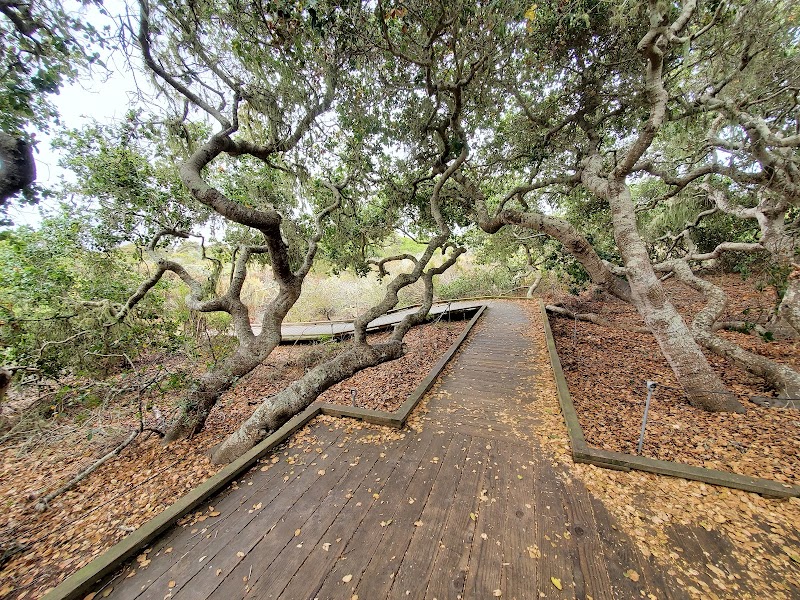
Access points like Morro Rock Trail provide elevated views with safe vantage spots, while the Elfin Forest Trail offers a quieter, wooded backdrop with occasional glimpses of shorebirds. These routes require moderate effort — expect rocky steps and uneven terrain. Bring sturdy footwear and water; the coastal fog can mask dehydration risks. For extended shoots, pack a lightweight tripod and weatherproof covers; coastal breezes and spray can challenge your equipment’s resilience.
Photographing marine wildlife in Morro Bay is an exercise in patience and respect. The wildlife here is fiercely itself, unhurried and often elusive. That moments with a curious otter or a poised egret come at your lens after careful observation and silence turns the experience from a simple photo run into a shared encounter. Your preparation—from timing and route selection to understanding local guidelines—shapes the adventure’s success. Be the observer who blends with the shore’s moods, and your images will reflect the bay’s raw, tactile energy.
Nearby Trips
All Adventures
Boat Charters
Water Activities
Adventures near Morro Bay
Discover the unique and memorable adventures that make Morro Bay special.
Frequently Asked Questions
Do I need a permit to photograph marine wildlife in Morro Bay?
For personal, non-commercial photography, permits are generally not required. However, commercial shoots or drone usage require permits from Morro Bay State Park authorities. Always check current regulations at the ranger station before your visit.
Where are the best locations to spot marine mammals for photography?
El Moro Rock offers prime vantage points for observing harbor seals and sea otters. The Morro Bay estuary is also good for waterfowl sightings, while jetties provide chances to catch shorebirds and sometimes dolphins offshore.
What safety precautions should I keep in mind around the water's edge?
Always watch tides and waves closely to avoid being caught off guard by incoming water. Rocks can be slippery with algae and barnacles—move deliberately with secure footing. Avoid approaching wildlife that may react defensively.
Can I use drones for aerial wildlife photography in Morro Bay?
Drone use is regulated and often restricted in protected areas around Morro Bay to prevent disturbance to wildlife and other visitors. Obtain proper permits and verify no-fly zones before flying.
Are there any hidden spots for unique marine wildlife photography?
The Elfin Forest boardwalk trail offers secluded views of tidal pools and marsh birds that are less frequented. Also, early morning on the south jetty can reward photographers with seals basking undisturbed.
How can I minimize my environmental impact while photographing here?
Stay on designated trails, keep a respectful distance from wildlife, do not feed animals, and follow Leave No Trace principles to preserve the bay’s delicate ecosystems.
Recommended Gear
Telephoto Lens
A telephoto lens allows you to capture intimate wildlife shots at a respectful distance, minimizing disturbance.
Waterproof Hiking Boots
Robust, waterproof boots provide grip on slick rocks and keep feet dry amid tidal spray or wet trail sections.
Lightweight Tripod
Needed if planning longer exposures or low-light dawn/dusk shots; lightweight models offer easy mobility on rough terrain.
Water Bottle with Filter
Stay hydrated during warm hikes along the coast; a filter offers security if refilling from a natural source becomes necessary.
Local Insights
Hidden Gems
- "Elfin Forest Trail’s quiet marsh views"
- "South Jetty’s seal haul-out spots"
- "Morro Bay State Park Museum for natural history context"
Wildlife
- "Harbor seals"
- "Sea otters"
- "Great blue herons"
- "Snowy egrets"
- "California brown pelicans"
History
"Morro Bay’s marine environment has long supported Native Chumash communities; the area remains culturally significant with historic ties to fisheries and conservation efforts dating back to the early 20th century."