
Mastering the Timing Conditions for Climbing the Black Canyon of Colorado
The Black Canyon of the Gunnison challenges climbers with its sheer granite walls and unpredictable weather. Perfectly timing your climb here means reading seasonal nuances, preparing for steep terrain, and respecting the canyon’s relentless spirit.
Start Early to Avoid Afternoon Storms
Afternoon thunderstorms frequently develop in summer, bringing sudden heavy rain and lightning. Begin climbs before sunrise for safer, dry conditions.
Hydrate Thoroughly
Dry canyon air accelerates dehydration. Pack at least 3 liters of water per climber and use electrolyte supplements to maintain stamina.
Layer Your Clothing
Temperatures can swing drastically from cool mornings to hot afternoons, and chill quickly in fall. Wear breathable layers for quick adjustments.
Prepare for Technical Climbing
Many routes demand solid crack and face climbing skills, plus familiarity with multi-pitch rope management and anchor placement.
Mastering the Timing Conditions for Climbing the Black Canyon of Colorado

Black Canyon of the Gunnison
From $500 · 1-2 People
Discover the thrill of climbing in the stunning Black Canyon of the Gunnison. Experience expert-guided routes on dramatic granite walls, all within a scenic desert landscape near Tucson. An adventure perfect for seasoned climbers and ambitious beginners alike!
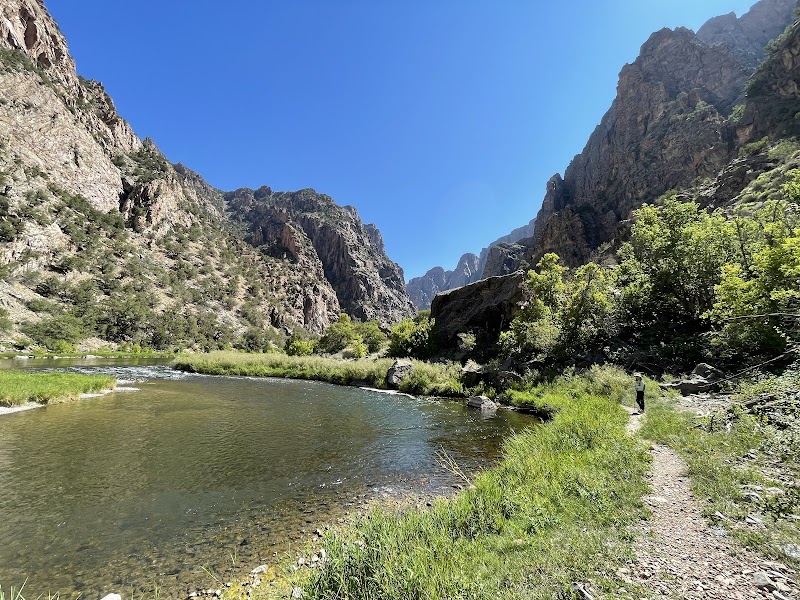
The Black Canyon of the Gunnison, with its sheer cliffs plunging sharply toward the Gunnison River, challenges adventurers to respect its rugged personality. Timing your climb here balances more than just weather — it’s about reading the canyon’s moods, its temperature swings, and the river’s restless flow below. This guide walks you through the best periods for climbing, what conditions you'll face on the route, and how to prepare practically for the adventure.
Located in western Colorado, the canyon demands attention from spring thaw to early fall’s cooling breath. Distances on the most popular climbing routes range from 800 to over 1,200 vertical feet, with steep, exposed terrain cutting across granite walls that seem to defy gravity. Expect routes rated from 5.4 to 5.12, requiring solid technical skills and calm focus under the high sun and sometimes unpredictable wind.
Spring here is a transitional season: warming days invite climbing, but the canyon walls can hang on to patches of winter ice longer than expected. When temperatures climb above 50 °F and the wind calms, vertical runs become achievable, though cautious approach is essential as ice remnants dare the unwary.
Summer is prime climbing season, with longer daylight hours offering extended windows to start early and finish before afternoon heat or thunderstorms build. Afternoon storms in July and August often arrive suddenly, pushing climbers towards quick descents. Hydration is critical; the canyon’s dry air steals moisture quickly. Trails leading to climb bases are rocky and steep, with elevation changes reaching up to 2,000 feet, tapping your endurance.
Fall delivers crisp air and fewer crowds. The cooling temperatures drop the risk of afternoon storms but increase early morning chills. Crisp winds can make rope handling tricky while golden aspen groves punch bursts of color into the stark canyon face. This is a season that rewards early risers ready to move briskly before the bite of cold sets in.
Winter shuts down most climbing routes due to icy holds and snowdrifts, transforming the canyon into a fiercely dormant giant. However, for the prepared with ice climbing skills and avalanche knowledge, this season offers its own demanding challenges.
Preparation hinges on timing your climb for stable weather and understanding the canyon’s rhythms. Wear sturdy, grippy footwear and layer clothing to adapt to temperature swings. Carry at least 3 liters of water per climbing day, plus electrolyte supplements to guard against dehydration. Arrive early to avoid the midday sun and thunderstorms.
This is more than a hike or climb; it’s a dialogue with a landscape that’s fiercely itself. Respect the Black Canyon’s currents of wind and shadow. Listen to the stone’s quiet lessons. In return, it offers a climbing experience where your senses sharpen, your skills grow, and every move counts.
Nearby Trips
All Adventures
Boat Charters
Water Activities
Adventures near Montrose
Discover the unique and memorable adventures that make Montrose special.
Frequently Asked Questions
What’s the best approach for first-time climbers in the Black Canyon?
Start with lower-grade routes near the south rim where access is easier and terrain less exposed. Join guided climbs or partner with experienced climbers to learn anchor systems and rope techniques.
Are permits required for climbing in the Black Canyon?
Yes, climb permits are required year-round to protect natural resources and ensure safety. Submit your request in advance through the National Park Service website.
How do canyon conditions affect climbing safety throughout the day?
Temperatures can rise rapidly, loosening rock holds, and afternoon storms bring risk of lightning strikes. Early starts and rapid descents are key to avoiding hazards.
What wildlife might I encounter during climbs?
Keep watch for peregrine falcons nesting on ledges, mule deer on forested trails, and the occasional black bear in less trafficked areas. Respect wildlife by maintaining distance.
Is it necessary to have advanced technical skills to climb here?
Most routes demand intermediate to advanced climbing skills, including multi-pitch experience and proficiency in placing protection. Novices should consider professional guides.
Are there any lesser-known spots within the canyon worth exploring?
Hidden Walls on the north rim offer quieter, less-traveled climbs with exceptional views. Artists’ Point provides a quiet overlook for those not climbing but seeking perspective.
Recommended Gear
Climbing shoes
Supports precision on granite; essential for secure footholds on vertical terrain.
Lightweight helmet
Protects from falling rock and accidental impacts in narrow canyon walls.
Hydration pack
Keeps water accessible to prevent rapid dehydration in arid heat.
Layered clothing system
Allows quick adaptation to temperature shifts from cool dawns to warm afternoons.
Local Insights
Hidden Gems
- "Artists’ Point Overlook on the north rim"
- "Hidden Walls climbing sectors with fewer crowds"
Wildlife
- "Peregrine falcon nesting sites"
- "Mule deer in riparian zones"
- "Seasonal black bear movement in wooded areas"
History
"Established as a national park in 1999, the Black Canyon’s steep walls and unique geology fascinated early Native American tribes and later miners drawn by precious metals. Historic mining roads remain visible near trailheads."