Capturing the Majesty: Photography Tips for Black Canyon Climbs
The Black Canyon of the Gunnison challenges climbers with steep terrain and awe-inspiring vistas that demand respect. This guide provides practical photography tips to help you capture the canyon’s raw beauty—from timing your shots to navigating rugged paths—so your images reflect the true power of this distinctive landscape.
Start Early or Late for Best Light
Capture the canyon walls when light is soft and shadows add depth. Avoid harsh midday sun which can flatten images and overexpose details.
Wear Trail-Ready Footwear
Loose scree and steep switchbacks require sturdy shoes with reliable grip to keep your footing safe while carrying camera gear.
Pack a Durable Tripod
Stabilize long exposures or HDR shots, especially for river shots where motion blur brings life to the scene without sacrificing sharpness.
Stay Hydrated and Energized
Elevation gain and rugged terrain demand sufficient water and snacks to maintain focus—fatigue leads to missed shots and safety risks.
Capturing the Majesty: Photography Tips for Black Canyon Climbs

Black Canyon of the Gunnison
From $500 · 1-2 People
Discover the thrill of climbing in the stunning Black Canyon of the Gunnison. Experience expert-guided routes on dramatic granite walls, all within a scenic desert landscape near Tucson. An adventure perfect for seasoned climbers and ambitious beginners alike!
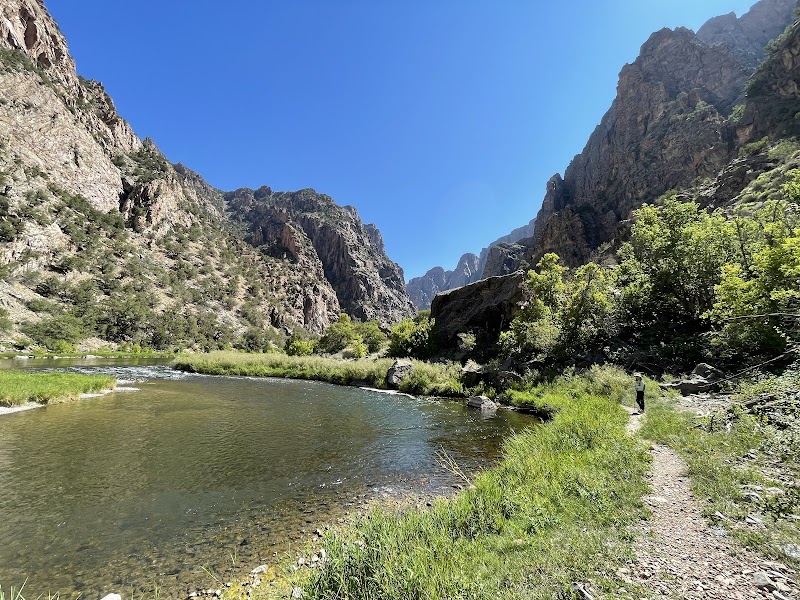
The Black Canyon of the Gunnison offers climbers a chance to engage with geology that is fiercely itself—steep walls thrusting skyward and shadowed crevices daring your lens for a moment of capture. The hike to vantage points like Exclamation Point or Painted Wall Trail spans roughly 2.5 to 3.5 miles, with elevation gains near 1,150 feet, weaving through dense Ponderosa pines and rocky terrain that commands steady footing.
To translate the canyon's grandeur into striking photographs, timing is key. Early mornings and late afternoons illuminate the canyon's vertical faces with dramatic shadows, giving depth and texture to your shots while the light remains soft. Midday contrasts can be harsh, but scout for segments where the sun sketches light patterns on cliffs or plays on the river below.
Prepare practical gear: a sturdy tripod stabilizes long-exposure shots of the Gunnison River’s currents pushing with relentless force, while a wide-angle lens frames the expansive drops and towering rock formations that refuse to flatten into a single perspective. Consider neutral density filters to balance light intensity or capture motion blurs of wind-whipped trees and creeping river mist.
Hydration and footwear matter off-camera; reliable trail shoes and steady water supply allow you to reach prime locations without cut corners. The terrain flexes between loose scree and tight switchbacks, demanding attention on every step to stay safe yet mobile.
For composition, use the canyon’s natural lines. The shorelines and cliff edges guide the eye through prints or digital galleries, pairing scale with the minute details of rugged rock textures and sparse vegetation clinging to life. Pause at lesser-known overlooks—South Rim’s Cedar Point offers a quieter perspective, less trodden but equally impressive. Look for opportunities to include birds such as peregrine falcons circling above, a dynamic subject against the canyon’s stoic walls.
Weather plays a silent yet potent role. Storms gather fiercer here, clouds rolling in to shift the mood within minutes. This unpredictability means being prepared for sudden light shifts, adjusting settings on the fly, and knowing when to retreat safely.
The Black Canyon climb is more than a photo op; it’s a dialogue with a raw, elemental landscape. Approach with respect, prepare with purpose, and your images will reflect not just what you saw but what you felt standing there—engaged with a canyon fiercely itself.
Nearby Trips
All Adventures
Boat Charters
Water Activities
Adventures near Montrose
Discover the unique and memorable adventures that make Montrose special.
Frequently Asked Questions
Where are the best hidden viewpoints for photography in the Black Canyon?
Besides popular spots like Exclamation Point, Cedar Point on the South Rim offers quieter, dramatic overlooks with sweeping views. The lesser-frequented Warner Point Trail combines forest shade and open cliff vistas, ideal for capturing diverse angles.
What local wildlife should photographers watch for during the climb?
Keep an eye out for peregrine falcons, often seen riding canyon thermals. Mule deer and black bears inhabit lower elevations, so maintain distance and use telephoto lenses to capture wildlife without disturbance.
Are there any historical or cultural sites along the climbs?
The canyon holds significance for the Ute people and early settlers alike. Some trailheads feature interpretive signs about native uses and mining history, adding depth to your visit.
What environmental considerations should photographers be aware of?
Stay on marked trails to avoid fragile vegetation and soil erosion. Use catch lenses and cleaning kits to protect against dust and debris, and practice Leave No Trace principles to preserve the canyon’s rugged character.
How can I best prepare for sudden weather changes during the climb?
Monitor forecasts closely, bring waterproof layers, and keep gear protected with rain covers. Lightning is common on summer afternoons; avoid exposed ridgelines and descend promptly if storms approach.
What camera settings work best for capturing the canyon’s contrasts?
Use a low ISO (100–200) for clarity, a small aperture (f/8–f/11) to maximize depth of field, and bracket exposures for HDR to balance dark shadows and bright highlights across the canyon’s complex lighting.
Recommended Gear
Sturdy Hiking Boots
Provide traction and ankle support across rocky, uneven canyon trails to ensure safe movement while carrying camera equipment.
Camera Backpack with Padding
Keeps your gear protected and hands free, balancing comfort and quick access on variable terrain.
Tripod
Stabilizes shots in low light and enables long exposures essential for capturing the mood and movement in the canyon.
Layered Clothing
Variable weather in spring means layering for warmth and ventilation, ensuring you stay comfortable during fluctuating temperatures.
Local Insights
Hidden Gems
- "Cedar Point overlook for quiet vistas"
- "Warner Point Trail for mixed forest and rim shots"
- "Chasm View for sunrise reflections"
Wildlife
- "Peregrine falcons soaring above cliffs"
- "Mule deer grazing in forest edges"
- "Black bears occasionally roaming lower trails"
History
"The canyon was sacred to the Ute tribes and later drew settlers for limited mining activity. The National Park designation preserves these stories alongside the towering cliffs."