Mastering Paddleboard Adventures: Optimal Times and Conditions at Blue Mesa Reservoir
Blue Mesa Reservoir offers paddleboarders a wide expanse of vibrant water framed by rugged canyon walls, perfect for early morning calm or afternoon challenge. By understanding the seasonal rhythms and wind patterns, visitors can enjoy smooth glides and invigorating expeditions on one of Colorado’s most compelling reservoirs.
Paddle Early for Calm Waters
Plan your paddleboarding session before 10 a.m. when winds are generally lightest, ensuring smoother water and easier navigation.
Carry Hydration and Sun Protection
The high elevation and dry climate demand ample water and sun protection to avoid dehydration and sunburn during your outing.
Wear Shoes Suitable for Rocky Shorelines
Launching and landing areas are often rocky and uneven; shoes with good grip protect your feet and facilitate safer entries and exits.
Monitor Weather Conditions
Mountain weather can turn quickly—always check forecasts and be ready to head to shore if storms appear or winds increase unexpectedly.
Mastering Paddleboard Adventures: Optimal Times and Conditions at Blue Mesa Reservoir

Stand Up Paddleboard Rental - Lake Fork
Starting at $35.00 • 18+ to rent • 3 - 7 Hours
Discover the relaxing waters of Lake Fork in Gunnison, Colorado, with a stand-up paddleboard rental designed for fishing enthusiasts and outdoor lovers alike. Explore pristine lake views and enjoy a peaceful day on the water, guided by Elk Creek and Lake Fork Marina. Keep reading to find out what makes this adventure a must-try in Colorado!
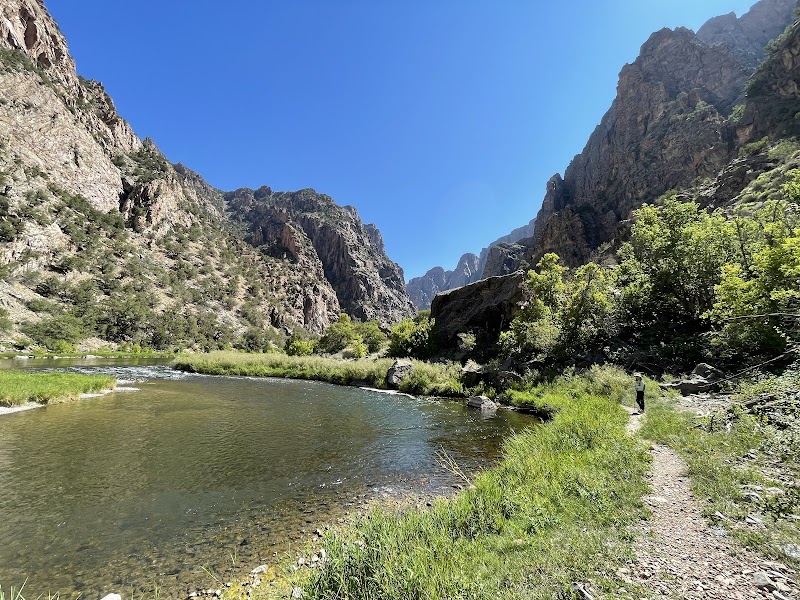
Blue Mesa Reservoir in Colorado’s Curecanti National Recreation Area challenges and invites paddleboarders with its vast waters and shifting weather moods. This sprawling reservoir, carved between towering canyon walls, offers a paddleboarding experience that’s both thrilling and approachable when timed right. Knowing when to venture out can transform your outing from a struggle against the wind and chill into a smooth, invigorating glide across the water’s surface.
The best times to hit Blue Mesa for paddleboarding are early summer through early fall, roughly June through September. During this window, daytime temperatures hover between the mid-60s to low 80s (°F), and the reservoir’s surface often lies calmer in the mornings when the air is still and the sun is soft. Paddleboards skim over water that reflects sharp canyon edges and open blue sky, all while currents linger gently, testing your balance but never overwhelming.
Morning outings—between 7 a.m. and 10 a.m.—offer the most stable conditions. The wind, a frequent instigator at Blue Mesa, typically ramps up by late morning to early afternoon and can make steering tricky for even experienced paddlers. You’ll sense the breeze like a lively opponent, eager to push your board off track, transforming placid water into ripples and occasional choppy waves. Plan sessions that maximize those quiet, tender hours when the reservoir is at its most accommodating.
Seasonal shifts matter. Spring waters trickle in colder and streams feeding the lake swell from melting snow. Early in the season, the water temperature remains low, so a wetsuit or quality splash gear is essential. Summer invites more stable weather but can bring high sun exposure. Fall diminishes the crowds and cools temperatures, yet mornings grow crisp, demanding layered clothing and a mindful respect for changing weather.
Wind direction plays a critical role at Blue Mesa. Southwest winds tend to build the challenging waves along wide-open stretches, while shelter near coves and narrow arms reduces the gusts’ full force. Landing spots near marina docks or beaches are ideal for confident exits and convenient re-entry if conditions turn restless. Identify these natural breaks to plan your route to match your skill level and stamina.
Safety and preparation sharpen your adventure’s edge. Hydration is crucial given the dry Colorado air and sun exposure at altitude. Sturdy, grippy footwear protects feet when launching or landing on often rocky, uneven shorelines. Sunscreen and a hat guard against UV rays that punch harder at elevation. Keep an eye on weather updates—sudden storms can sweep in swiftly, turning the reservoir from friend to fierce with churning waves.
Blue Mesa rewards those who respect its moods and prepare thoughtfully. Whether you’re balancing your paddleboard near tranquil coves or challenging the wind’s will across open water, you’ll feel the reservoir as a dynamic force—alive and unapologetically itself. Plan your timing, listen to the water’s cadence, and gear up wisely to make your paddleboard outing here rewarding and safe.
Nearby Trips
All Adventures
Boat Charters
Water Activities
Adventures near Montrose
Discover the unique and memorable adventures that make Montrose special.
Frequently Asked Questions
When is the best time of day to paddleboard at Blue Mesa Reservoir?
Early mornings, particularly between 7 a.m. and 10 a.m., provide the calmest waters and lightest winds, making paddleboarding safer and more enjoyable.
What kind of paddleboard is best for Blue Mesa conditions?
A board with good stability and moderate width works best. It should handle light to moderate winds and occasional choppy water common on this reservoir.
Are there any hidden coves or quieter spots around Blue Mesa for paddleboarding?
Yes, areas near the marina docks and the arms of the reservoir offer natural wind breaks and calmer waters where paddlers can relax or practice skills away from gusts.
What wildlife might I see while paddleboarding at Blue Mesa?
Ospreys and bald eagles are frequent visitors soaring overhead, while waterfowl like ducks and geese often skirt the shorelines. Occasionally, beavers and muskrats can be spotted near nearby wetlands.
Is paddleboarding safe year-round at Blue Mesa?
Winter paddleboarding is not recommended due to cold water and icy conditions. Stick to late spring through early fall when the weather and water temperatures are safer.
Are there any environmental considerations for paddleboarders here?
Avoid disturbing wildlife habitats and shore vegetation. Pack out all trash, stay clear of sensitive nesting areas, and minimize wakes near shorelines to protect aquatic habitats.
Recommended Gear
Paddleboard with Good Stability
Choose a board that balances stability and maneuverability, especially useful for handling light to moderate winds common at Blue Mesa.
Hydration Pack or Water Bottle
Essential for staying hydrated in the dry and sunny Colorado environment, particularly during warmer months.
Water Shoes or Neoprene Boots
Protect feet on rocky shorelines and provide grip during launching and landing, necessary year-round.
UV Protection Gear (Hat, Sunscreen, Sunglasses)
Sun intensity is heightened at altitude, so protecting skin and eyes is critical during summer paddleboarding.
Local Insights
Hidden Gems
- "Cottonwood Cove – a smaller inlet offering shelter from winds and good wildlife observation"
- "Shoreline near the Sapinero Bay trailhead – less trafficked, peaceful paddle access"
Wildlife
- "Bald Eagles"
- "Ospreys"
- "Beavers"
- "Waterfowl such as ducks and geese"
History
"Blue Mesa Reservoir was created in the 1960s by damming the Gunnison River, part of the Colorado River Storage Project. The area has historical ties to early water resource management in the West and is surrounded by cultural significance linked to the Ute tribe."