
Mastering Wetsuit Thickness for Varied Water Temperatures in Big Sur
Big Sur’s coastal waters shift dramatically with the seasons, presenting surfers and aquatic adventurers with a bold challenge: choosing the right wetsuit. This guide breaks down practical wetsuit thickness options to keep you protected and comfortable amidst the Pacific’s ever-changing embrace.
Check Local Water Temperatures Daily
Pacific water temps near Big Sur can fluctuate unexpectedly. Use local surf reports and ocean temperature sensors before suiting up to match your wetsuit thickness accurately.
Invest in Quality Booties and Gloves
Protect your extremities with neoprene booties and gloves, especially during winter months when cold penetrates quickly and rocky beach entries demand sturdy soles.
Layer Up After Surfing
Bring warm dry clothes to change into immediately after exiting the water. Staying damp too long can lead to rapid cooling and possible hypothermia risks.
Plan Sessions Around Tide and Wind
Big Sur’s waves and water temps are influenced by tides and coastal winds. Early mornings can be colder, so consider timing your sessions after the sun has warmed the shore.
Mastering Wetsuit Thickness for Varied Water Temperatures in Big Sur

Wetsuit
All Ages • Hourly, Daily & Weekly Rental Options!
Discover Newport Beach with a fun and leisurely wetsuit-themed bike rental. Glide along scenic beaches and explore the coastline at your own pace while enjoying the fresh ocean air. Perfect for all ages and skill levels, this adventure offers a memorable way to experience Southern California’s coastal beauty.
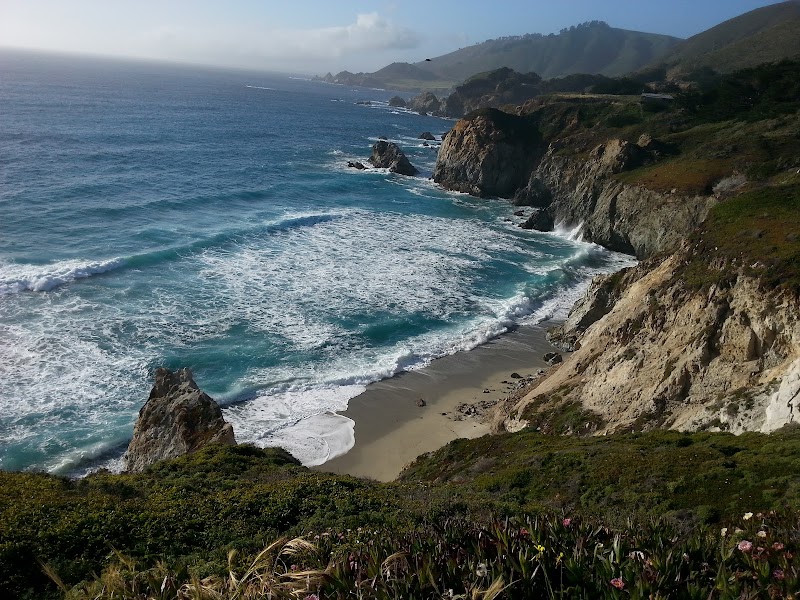
Big Sur's rugged coastline offers surfers and water adventurers a thrill that’s as raw as the crashing Pacific waves. But as the ocean challenges you with shifts in temperature—sometimes in a single day—choosing the right wetsuit thickness becomes the fine line between comfort and cold shock. Here’s a practical guide to help you navigate wetsuit choices tailored for Big Sur’s dynamic waters.
Understanding Big Sur’s Water Temperatures
The Pacific off Big Sur isn’t forgiving. Water temps range from about 52°F (11°C) in winter to around 62°F (17°C) in late summer. This variance demands flexibility in your gear. The frigid winter current feels like it’s always pushing at your skin, daring you to brave another wave. Summer, while milder, can trick you—early mornings remain cool, and the ocean holds its chill deep below the surface.
Wetsuit Thickness Breakdown
-
3/2mm Wetsuit (Spring and Fall): These suits strike a balance—enough insulation to fend off the morning chill yet thin enough to provide mobility as the sun warms the coast. Expect brisk mornings and cooler afternoons, making a 3/2 ideal for extended sessions.
-
4/3mm Wetsuit (Winter and Early Spring): When the ocean’s voice deepens and the wind picks up, a 4/3 wetsuit is essential. This thickness guards against Big Sur’s colder currents pushing in heavier, allowing you to stay in longer without numb limbs.
-
5/4mm or Drysuit (Winter, Expert-Level Cold): For the most committed winter adventurers, thicker wetsuits or even drysuits offer a fortress against the cold. Big Sur’s winter waves are fiercely themselves, and protection here is paramount.
-
Shorty or Spring Suit (Summer): On warmest days, when the Pacific relents, a shorty or spring suit lets you tap into the waves with cool freedom. Yet, keep in mind fog and chill can creep in, especially near Carmel River mouth.
Additional Gear Considerations
Don’t underestimate booties, gloves, and hoods. Cold-water nudges through extremities first; a 3mm neoprene hood or gloves can turn a teeth-chattering paddle into a focused session. Opt for booties with sturdy soles for Big Sur’s rocky beach entries.
Where and When
Try Pfeiffer Beach for calmer water temps, while Garrapata offers surf with a colder bite. The best times to suit up usually range from late spring through early fall for lighter suits; winter nights are for thick armor. Keep an eye on local tide charts and wind reports—they shape the ocean’s mood and your wetsuit needs.
Final Tips
Layer protection with a change of clothes ready post-session to avoid prolonged cold. Hydrate well—even cold water sports sap energy. Most importantly, respect the Pacific’s intent; your wetsuit thickness is a tool for engagement, not invincibility. Big Sur’s ocean pulses with life and challenge—gear wisely, paddle strong, and the adventure will answer in kind.
Nearby Trips
All Adventures
Boat Charters
Water Activities
Adventures near Monterey
Discover the unique and memorable adventures that make Monterey special.
Frequently Asked Questions
Why does water temperature vary so much in Big Sur?
The Pacific currents near Big Sur bring cold deeper waters close to shore, especially during upwelling seasons. This interaction causes quick temperature shifts and creates localized cold patches.
Can I rent wetsuits nearby or should I bring my own?
While rental shops exist around Monterey and Carmel, they often have limited sizes and thickness options. For tailored protection, bringing your own wetsuit matching seasonal thickness is recommended.
Are there safer entry points for surfing in Big Sur?
Yes, beaches like Pfeiffer Beach offer gentler rocky entry points compared to Garrapata, which has rougher conditions. Always scout local entries first and heed local advice.
How do tides affect wetsuit needs in Big Sur?
Low tides often expose cooler water layers and sharper currents, which might make you feel colder quickly. High tides generally provide more consistent, slightly warmer water, influencing the wetsuit thickness you choose.
When should I consider switching to a drysuit?
If you’re surfing regularly in winter with water temps below 52°F or endure long immersion in cold conditions, a drysuit or very thick wetsuit is safer to prevent hypothermia and maintain body heat.
Do wetsuit thickness preferences change for kayaking or paddleboarding?
Yes, since active paddling generates body heat, slightly thinner suits (like 3/2mm in cooler months) might suffice. However, when you often sit still or fall in, thicker wetsuits offer better protection.
Recommended Gear
4/3mm Full Wetsuit
Provides crucial insulation against Big Sur’s cold winter waters and wind-driven chill.
Neoprene Booties
Protect your feet from rocky entry points and offer thermal protection from cold water.
3/2mm Wetsuit
Ideal for milder water temps, balancing flexibility with warmth.
Neoprene Gloves and Hood
Adds extra warmth for extremities when Big Sur’s ocean bites coldest.
Local Insights
Hidden Gems
- "The tide pools around Limekiln State Park reveal colorful marine life often missed by casual visitors."
- "Sand Dollar Beach offers less crowded surf spots with dramatic cliff backdrops."
Wildlife
- "Harbor seals frequently haul out near the rocks, providing natural company."
- "Occasional sightings of migrating gray whales offshore in winter add to the area's allure."
History
"Big Sur’s coast was once home to the Esselen and Ohlone peoples, whose deep respect for the land remains a quiet presence along the trails and shorelines."